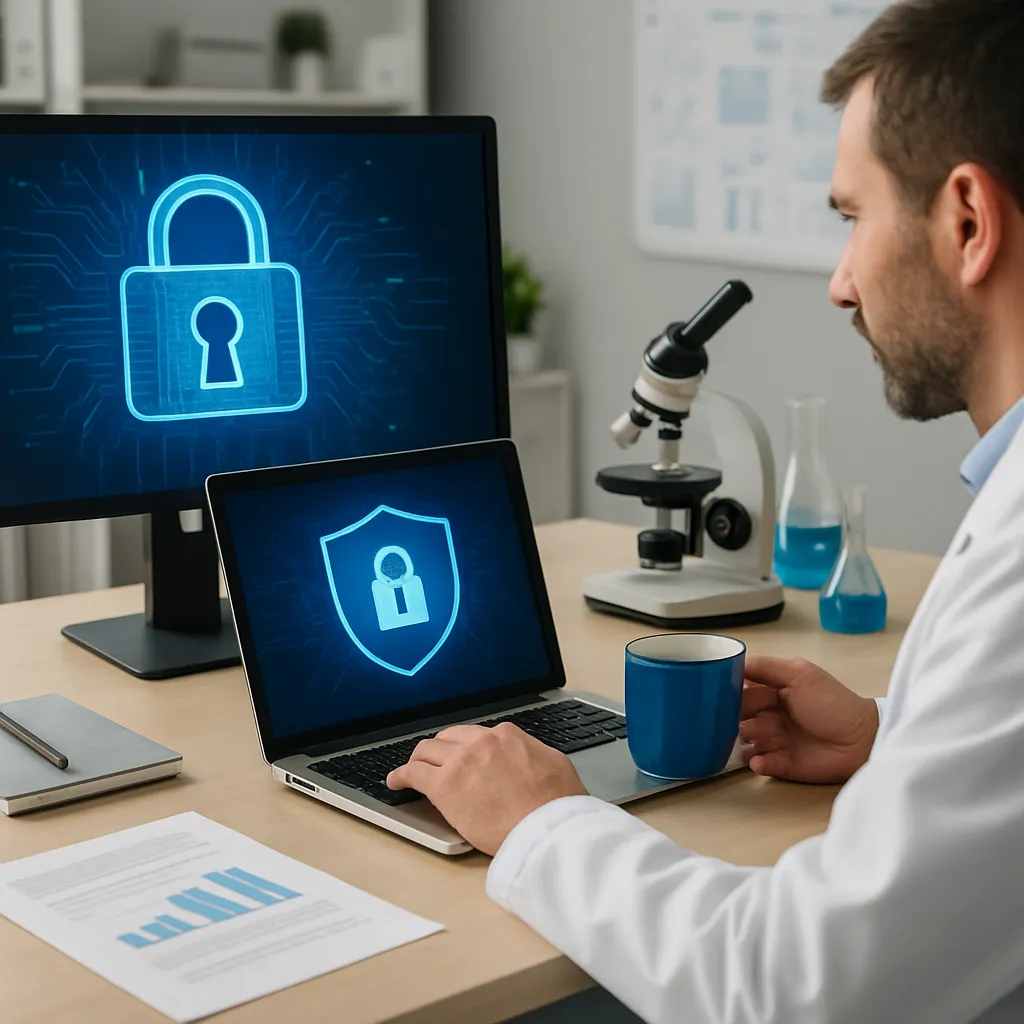
Securing sensitive projects in research and development demands a holistic approach that blends robust policies, advanced technology, and a vigilant organizational culture. As companies race to innovate, the protection of prototypes, proprietary data, and intellectual milestones becomes increasingly critical. This article explores strategic methodologies designed to safeguard R&D initiatives from espionage, data breaches, and internal vulnerabilities.
Identifying and Classifying Sensitive R&D Assets
Before deploying any security measures, organizations must gain clarity on what requires protection. A thorough risk assessment helps you understand the scope and sensitivity of various assets. Key steps include:
- Cataloging prototypes, design documents, experimental data, and algorithms.
- Assigning classification levels (e.g., public, internal, confidential, top secret).
- Mapping data flows across departments, third parties, and cloud environments.
Threat Modeling and Asset Valuation
Threat modeling identifies potential adversaries, attack vectors, and weak points in your processes. By evaluating the potential impact of theft or tampering, you establish a hierarchy of priorities. Pair this with asset valuation to assign monetary or strategic weight to each project component.
Key Considerations:
- Motivation and capabilities of competitors or nation-state actors.
- Insider threats, including negligent or malicious employees.
- Existing security controls and any known vulnerabilities.
Implementing Technical and Physical Security Measures
Once assets are classified, deploy targeted controls to achieve confidentiality, integrity, and availability of R&D resources. Blend technical safeguards with physical barriers for maximum effectiveness.
Technical Controls
- Encryption at rest and in transit using industry-standard algorithms to protect data repositories and communications.
- Access controls enforced through role-based permissions and strict authentication protocols.
- Multi-factor authentication (MFA) for all accounts with privileges to view or modify sensitive data.
- Network segmentation to isolate development environments and limit lateral movement.
- Regular vulnerability scanning and patch management for software, operating systems, and firmware.
Physical Security
- Secure entry points with badge readers, biometric scanners, and surveillance cameras.
- Locked cabinets and safes for prototypes, lab notebooks, and backup media.
- Visitor logs and escort policies to monitor and control guest access.
- Environmental controls—fire suppression, temperature regulation, and humidity monitoring—to protect physical assets.
Cultivating a Security-Conscious Culture and Protocols
Human factors play a pivotal role in the success or failure of security initiatives. Cultivating an informed workforce reduces risks associated with social engineering, negligence, and insider threats.
Training and Awareness
Regular workshops and phishing simulations heighten awareness of potential threats. Emphasize proper handling of classified documents, secure communication channels, and reporting mechanisms.
Clear Policies and Procedures
Document and disseminate policies that govern device usage, data sharing, and incident reporting. Standardize the secure development lifecycle (SDLC) to embed security checks at every phase, from concept to deployment.
Essential Protocols:
- Mandatory nondisclosure agreements (NDAs) for all employees and contractors.
- Guidelines for remote work, including VPN usage and endpoint protection.
- Escalation pathways for unusual activities or suspected breaches.
Managing Third-Party and Supply Chain Risks
Most R&D projects rely on external suppliers, fabrication partners, or specialized consultants. Each relationship introduces potential vulnerabilities that must be addressed through rigorous due diligence and contract management.
Vendor Assessment and Onboarding
Evaluate third parties based on their security certifications, history of breaches, and compliance with relevant standards (e.g., ISO 27001). Incorporate security requirements into contracts, such as data handling protocols and audit rights.
Continuous Oversight
Establish periodic reviews to verify that suppliers maintain agreed-upon controls. Leverage secure file-sharing platforms and encrypted channels for collaboration. When possible, implement segmentation so that third parties access only the specific data required for their tasks.
Ongoing Monitoring and Incident Response
Even the most robust preventive measures cannot eliminate risk entirely. Effective monitoring and a well-practiced incident response plan minimize damage and expedite recovery.
Continuous Monitoring
- Deploy intrusion detection and prevention systems (IDPS) to flag unusual network activity.
- Collect logs from servers, endpoints, and security appliances into a centralized security information and event management (SIEM) solution.
- Leverage behavior analytics to spot deviations from normal usage patterns.
Incident Response and Forensics
Define roles and responsibilities for incident response teams before an event occurs. Maintain an incident response playbook that outlines notification procedures, containment strategies, and evidence preservation techniques. Conduct regular tabletop exercises to validate readiness.
Recovery and Lessons Learned:
- Root cause analysis to identify vulnerabilities that led to the breach.
- Remediation plans to close gaps and reinforce controls.
- Updating policies, training, and technical measures based on post-incident insights.


