Office renovations pose unique challenges for businesses aiming to uphold a secure and productive environment. Balancing ongoing operations with construction activities demands meticulous planning, clear communication, and unwavering attention to safety standards. This article explores practical strategies to maintain optimal security during every phase of an office overhaul, ensuring minimal disruption and maximum protection for employees, visitors, and assets.
Planning and Risk Assessment
Effective renovation begins long before demolition crews arrive. A comprehensive risk assessment identifies potential hazards, estimates project timelines, and allocates resources to mitigate risks. By engaging all project stakeholders—from facilities managers to external contractors—businesses can craft renovation plans that prioritize protection of personnel and property.
Conduct a Site Survey
Professionals should inspect the existing workspace to catalog elements requiring special attention. Electrical wiring, HVAC systems, fire suppression units, and sensitive equipment must be located and marked. A detailed survey prevents accidental damage and fosters precise scheduling of tasks.
Develop a Safety Plan
- Outline emergency evacuation routes and shelter-in-place areas.
- Define secure storage for valuable equipment and confidential documents.
- Establish clear work zones, separating construction areas from occupied spaces.
- Assign liability for oversight to designated personnel.
Documenting these procedures in a formal safety plan ensures everyone understands their roles and responsibilities. A thorough plan addresses hazards such as falling debris, dust inhalation, and impaired egress.
Implementing Safety Protocols
Once the groundwork is laid, it’s time to activate specific measures that reinforce on-site protocols. This phase integrates engineering controls, administrative rules, and personal protective strategies to uphold rigorous security standards.
Engineering Controls
- Install temporary barriers and dust containment walls.
- Set up negative air machines to regulate airflow and minimize particulates.
- Provide adequate lighting, signage, and wayfinding aids in corridors and stairwells.
Administrative Controls
- Schedule high-risk activities during off-peak hours to limit exposure.
- Maintain a visitor log for all entrants to construction zones.
- Implement a lockout/tagout system for power tools and machinery.
Personal Protective Equipment
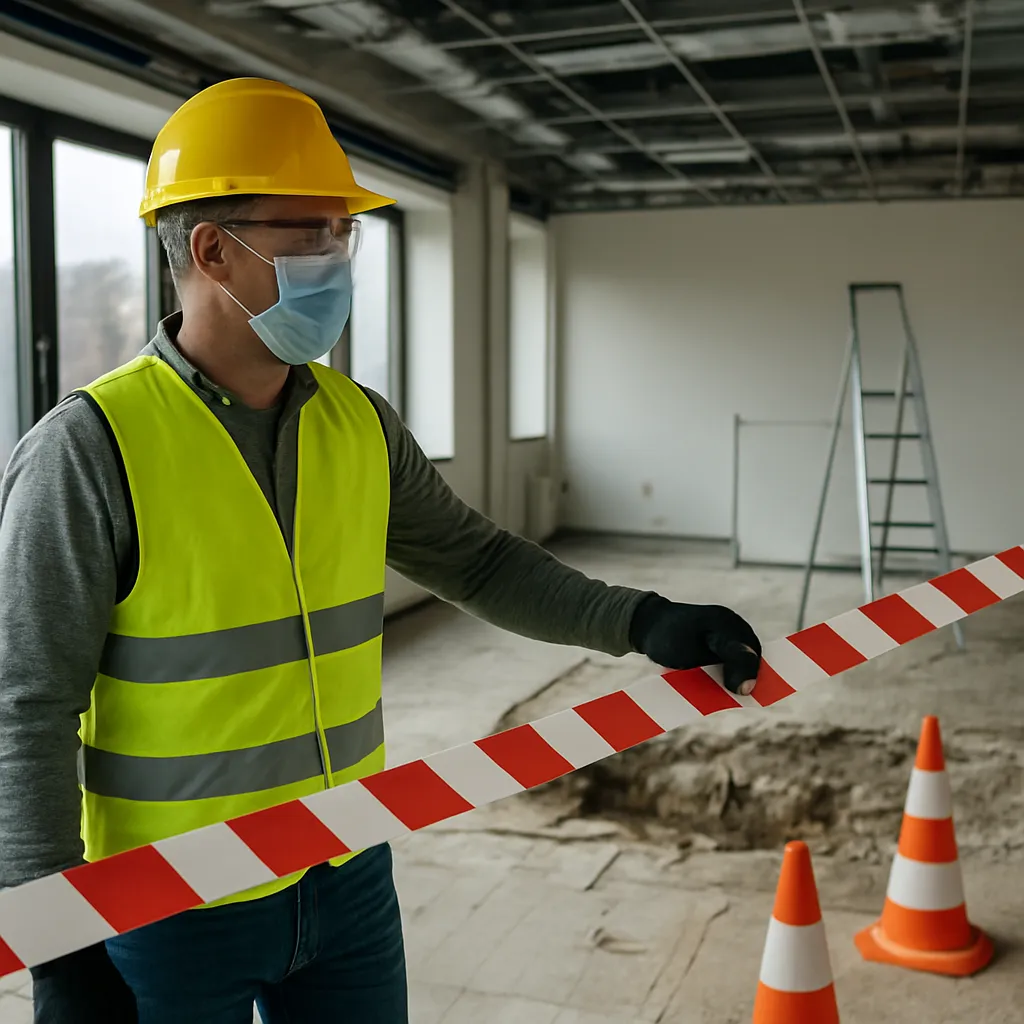
All on-site workers must wear appropriate PPE, including hard hats, safety goggles, high-visibility vests, and respiratory protection when dealing with dust or chemical fumes. Supervisors should routinely inspect gear to ensure compliance and functionality.
Communication and Training
Clear and consistent communication underpins a successful renovation. Providing timely updates and reinforcing safety procedures helps teams stay informed and prepared for evolving conditions. Effective training empowers employees and contractors to recognize risks and respond correctly.
Team Briefings
- Conduct daily toolbox talks to recap hazards and address concerns.
- Distribute written bulletins highlighting key safety reminders.
- Use digital platforms—email, messaging apps, or intranet portals—to share real-time alerts.
Safety Training Workshops
Organize hands-on sessions covering emergency response drills, proper equipment handling, and hazard recognition techniques. Encourage all personnel to participate, including non-construction staff who may traverse nearby pathways.
Feedback Channels
Establish anonymous reporting systems or suggestion boxes to capture observations about unsafe conditions. Promptly investigate all reports and implement corrective actions to demonstrate that training and feedback drive continuous improvement.
Monitoring, Compliance, and Emergency Preparedness
Ongoing monitoring and strict compliance checks ensure that safety measures remain effective throughout the renovation. Additionally, a robust emergency strategy addresses unforeseen incidents such as fire outbreaks or structural failures.
Regular Inspections
- Schedule weekly walkthroughs by safety officers to verify adherence to protocols.
- Audit liability documentation, ensuring insurance and permits are current.
- Record findings digitally, tracking trends and recurring issues.
Compliance Management
Align renovation practices with local building codes, occupational health regulations, and industry-specific standards. Invite third-party auditors for unbiased assessments to enhance credibility and uncover blind spots.
Emergency Response Plans
- Detail roles and procedures for evacuation, medical assistance, and fire suppression.
- Position first-aid kits and Automated External Defibrillators (AEDs) at strategic locations.
- Coordinate with local emergency services to review access routes and response times.
Drill scenarios on a quarterly basis to reinforce readiness. Clarify communication chains so that employees know whom to call and where to gather during crises.
Post-Renovation Evaluation
Completing construction doesn’t end your safety journey. A thorough post-renovation evaluation confirms that the work area is secure, functional, and aligned with original objectives.
Site Handover Inspection
Facilities teams and project managers should jointly inspect renovated spaces, noting any deficiencies or lingering hazards. Validate that all protective barriers have been removed, debris has been cleared, and building systems operate normally.
Lessons Learned Session
- Gather input from employees, contractors, and safety officers.
- Identify best practices and areas for improvement.
- Document findings to refine protocols for future projects.
Certification and Sign-Off
Obtain final sign-offs from regulatory bodies and internal leadership. Archive all safety documentation, training records, and inspection reports to serve as reference for compliance audits and insurance purposes.
By adhering to these structured guidelines—spanning meticulous planning, rigorous protocol enforcement, proactive training, and diligent monitoring—organizations can navigate office renovations while preserving a secure environment. Implementing these measures minimizes business disruptions, protects human capital, and safeguards the long-term integrity of corporate infrastructure.


