How to Build Employee Trust While Increasing Surveillance

Achieving a harmonious blend of employee trust and organizational surveillance demands a nuanced approach. Companies must introduce robust monitoring mechanisms without eroding morale or provoking privacy concerns. By focusing on transparent communication, ethical policies, and inclusive technology choices, businesses can foster a culture where staff feel both valued and protected. Balancing Transparency and Monitoring Establishing a clear framework for surveillance begins with defining its purpose. When employees view monitoring as…

Read More

How to Handle the Aftermath of a Workplace Accident

Workplace accidents can challenge any organization’s resilience, testing its protocols for **safety**, **security**, and crisis management. Handling the aftermath effectively is crucial not only to protect employees but also to safeguard the company’s reputation and ensure legal **compliance**. This guide outlines actionable steps that business leaders and security teams can deploy to navigate the post-incident landscape, support affected staff, and reinforce robust procedures for future resilience. Immediate Response and Securing…

Read More

How to Maintain Safety During Company Expansion

Expanding a company’s footprint brings exciting opportunities alongside complex security considerations. Balancing accelerated growth with rigorous protection demands a comprehensive approach. By focusing on risk assessment, physical safeguards, cutting-edge cybersecurity, and a culture of vigilance, organizations can navigate new territories with confidence. Assessing Security Risks in New Markets Entering unfamiliar regions exposes businesses to a range of threats, from regulatory gaps to local crime trends. A meticulous risk assessment should…

Read More

How to Ensure Security in Offshore Operations

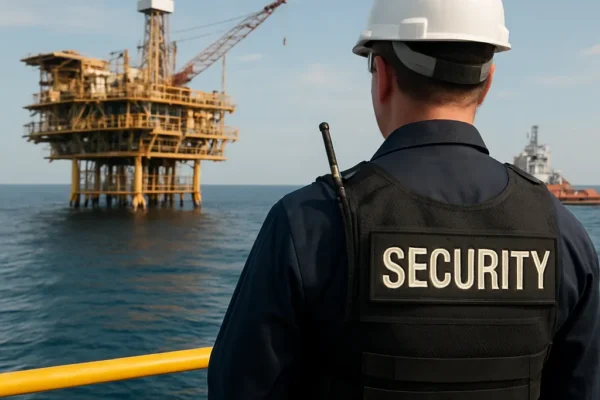
Ensuring robust security in offshore operations demands a holistic approach that covers everything from physical safeguards to advanced digital defenses. Companies must recognize the unique challenges of remote locations, harsh environments and complex logistics. Building a resilient framework involves proactive risk assessments, continuous personnel training and the adoption of cutting-edge technology. Understanding the Threat Landscape Offshore platforms face a diverse array of threats that can disrupt production, endanger staff and…

Read More

How to Balance User Experience with Security Requirements

Balancing seamless interactions with robust protection is a critical challenge for modern enterprises. When security measures become too intrusive, they can erode the customer journey, but when controls are lax, organizations expose themselves to significant threats. This article explores strategies to align usability and protection, ensuring customers and stakeholders enjoy a frictionless experience without compromising on necessary safeguards. Understanding the Tension Between UX and Security At the core of every…

Read More

How to Prevent Unauthorized Photography in Secure Areas

In highly sensitive environments, the risk of data leaks through visual reconnaissance is a persistent challenge. Organizations must adopt a multi-layered defense strategy to mitigate the threat posed by individuals capturing images of restricted spaces. Unauthorized visual disclosures can compromise trade secrets, jeopardize employee safety, and undermine competitive advantage. This article explores comprehensive approaches to prevent unauthorized photography in secure areas, blending procedural controls, advanced technology, and personnel training to…

Read More

How to Manage Cybersecurity During Product Development

Launching new offerings requires rigorous digital safety protocols integrated from the earliest design phases. Embedding a robust cybersecurity framework into the product lifecycle not only protects assets but also builds stakeholder trust and future-proofs solutions against evolving threats. Establishing a Security-Driven Development Culture Cultivating a Security Mindset Across Teams A fundamental pillar of a resilient product development process is a culture where every stakeholder values and prioritizes secure design and…

Read More

How to Prevent Security Incidents in Shared Office Buildings

Shared office buildings present a complex environment where several companies operate under one roof, sharing facilities, utilities, and common areas. Establishing a robust security posture is critical to safeguard assets, protect sensitive data, and maintain a safe workplace for all tenants. This article outlines best practices to prevent security incidents in shared office environments, focusing on risk assessment, physical and digital safeguards, and employee preparedness. Risk Assessment and Access Control…

Read More

How to Handle Suspicious Deliveries and Mail Security

Businesses encounter a wide spectrum of security challenges, and one of the most overlooked yet potentially devastating risks comes through the mailroom. Suspicious parcels or letters can contain explosives, biological agents, or other hazards that threaten personnel, property, and continuity of operations. Developing a comprehensive mail security framework not only safeguards employees but also reinforces your organization’s resilience and compliance posture. The following chapters delve into practical strategies for recognition,…

Read More

How to Maintain Safety in Warehouse Logistics Operations

Ensuring the integrity of warehouse logistics operations requires meticulous planning and ongoing safety measures. From initial site design to day-to-day routines, every component plays a crucial role in protecting personnel, assets, and the supply chain’s overall efficiency. Below are strategic approaches to maintain a secure and productive warehouse environment. Risk Assessment and Site Organization Identifying Potential Hazards Conduct comprehensive audits to catalog risks such as slip-and-fall zones, falling objects, or…

Read More