How to Safely Dispose of Confidential Paper Documents

Handling sensitive paperwork in a corporate environment demands a strategic approach to avoid data breaches and preserve reputational integrity. Businesses must adopt a comprehensive set of practices that range from accurate document classification to collaboration with trusted disposal vendors. This article explores effective techniques for the secure destruction of confidential paper documents, addresses relevant compliance frameworks and offers guidance on policy implementation to keep organizational data safe. Proper Assessment of…

Read More

How to Secure Sensitive Projects in Research and Development

Securing sensitive projects in research and development demands a holistic approach that blends robust policies, advanced technology, and a vigilant organizational culture. As companies race to innovate, the protection of prototypes, proprietary data, and intellectual milestones becomes increasingly critical. This article explores strategic methodologies designed to safeguard R&D initiatives from espionage, data breaches, and internal vulnerabilities. Identifying and Classifying Sensitive R&D Assets Before deploying any security measures, organizations must gain…

Read More

How to Secure a Bring Your Own Device (BYOD) Environment

Adopting a Bring Your Own Device (BYOD) strategy can boost employee productivity and reduce hardware expenses, but it also introduces significant information security challenges. Organizations must balance employee flexibility with robust controls to mitigate risks such as data breaches, unauthorized access, and compliance violations. This article outlines key considerations for securing a BYOD environment through comprehensive policies, advanced technical controls, and ongoing employee education. Understanding BYOD Risks Employees accessing corporate…

Read More

How to Handle Insider Threats Without Harming Trust

Insider threats can quietly undermine an organization’s security posture, leading to data breaches, financial losses, and reputational damage. Balancing robust protection with a culture of trust demands a nuanced approach. This article explores comprehensive strategies to detect, prevent, and respond to insider risks while maintaining a collaborative environment that empowers employees and safeguards sensitive assets. Identifying and Assessing Insider Threats Understanding Types of Insider Risks Organizations face a spectrum of…

Read More

The Role of Digital Forensics in Corporate Investigations

In a landscape where data flows incessantly across global networks, corporate entities face evolving threats that demand sophisticated investigative techniques. Digital forensics has emerged as a cornerstone discipline, empowering organizations to uncover hidden facts, trace unauthorized activities, and safeguard critical assets. By leveraging advanced tools and methodologies, enterprises can navigate complex incidents with precision and uphold the highest standards of security. Understanding Digital Forensics Definition and Scope At its core,…

Read More

The Importance of Cyber Hygiene in the Workplace

Effective cyber hygiene is the foundation of a robust business security strategy. From simple daily routines to enterprise-wide policies, organizations that prioritize systematic protection measures can significantly reduce their exposure to digital threats. This article explores essential concepts, practical steps, and future directions for cultivating a cyber-safe workplace environment. Understanding Cyber Hygiene and Its Relevance Maintaining good cyber hygiene means adopting a set of ongoing practices designed to keep systems…

Read More

The Role of Compliance in Corporate Security

Organizations today must navigate a growing web of legal requirements, industry standards, and evolving threat landscapes. Aligning internal processes with external regulations helps build a robust defense against data breaches, financial penalties, and reputational damage. By weaving compliance into everyday operations, enterprises can foster trust among customers, partners, and regulators while enhancing their overall security posture. This article examines how embedding regulatory adherence across governance structures, risk management practices, workforce…

Read More

How to Securely Dispose of Old IT Equipment

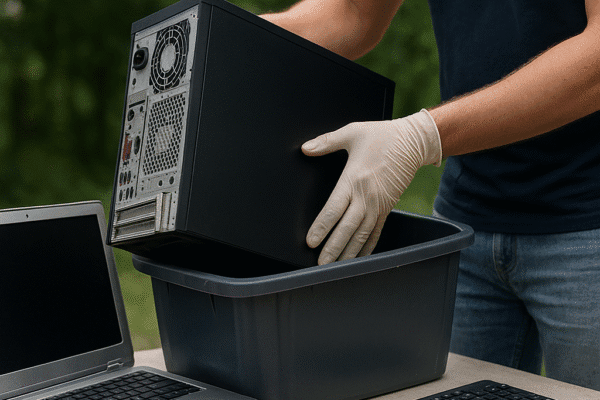
Properly disposing of outdated IT assets is a critical component of any robust business security strategy. Neglecting secure disposal can expose organizations to data breaches, regulatory fines, and reputational damage. This article explores comprehensive methods and policies designed to ensure the safe and compliant retirement of old computers, servers, mobile devices, and storage media. Identifying Risks and Regulatory Requirements Evaluating Data Sensitivity Before disposing of any equipment, companies must conduct…

Read More

How to Prevent Tailgating in Secure Areas

Organizations today face a persistent challenge when unauthorized individuals gain entry to sensitive areas by following closely behind an authorized person—a method known as tailgating. Failing to address this risk can lead to data breaches, theft of intellectual property, and threats to employee safety. Robust measures combining physical design, cutting-edge technology, and a culture of security are essential to block unauthorized access. This article explores practical strategies for preventing tailgating…

Read More

The Benefits of Cybersecurity Insurance for Businesses

As organizations navigate an increasingly complex threat landscape, the adoption of cybersecurity insurance has become a strategic imperative. This type of policy delivers a safety net that addresses financial losses, legal liabilities, and operational disruptions stemming from data breaches, ransomware attacks, and other cyber incidents. By embracing a comprehensive risk transfer solution, businesses foster resilience and safeguard long-term growth. Understanding Cybersecurity Insurance for Businesses Cybersecurity insurance, often referred to as…

Read More