How to Use Threat Modeling for Business Security Planning

Effective security planning requires a systematic approach to identify potential dangers, evaluate their impact, and prioritize protective measures. By integrating a structured process known as threat modeling, organizations can proactively strengthen their defenses and align their security initiatives with strategic goals. Understanding Threat Modeling At its core, threat modeling is a methodology for recognizing and evaluating the ways an adversary could compromise systems, data, or operations. This process helps organizations…

Read More

How to Secure Company Websites Against Hacking

Securing a company website is paramount to protecting sensitive data, maintaining customer trust, and ensuring uninterrupted operations. A breach can result in significant financial loss, reputational damage, and legal consequences. By understanding common threats, implementing multi-layered defenses, and establishing a proactive response plan, organizations can bolster their digital presence against determined attackers. Understanding Website Vulnerabilities Identifying Common Attack Vectors Websites face a variety of threats, ranging from automated bots to…

Read More

How to Detect and Prevent Fraud in Corporate Systems

Corporate ecosystems face a relentless barrage of fraudulent schemes that can erode trust, drain resources, and jeopardize reputation. Identifying the telltale signs of illicit activity and establishing robust safeguards are essential to preserve operational integrity. This exploration delves into proven methods for recognizing suspicious behavior and deploying preventive frameworks that fortify business security. Understanding the Risk Landscape Effective fraud management begins with a comprehensive assessment of the internal and external…

Read More

The Importance of Regular Security Policy Updates

Effective security governance rests on continually aligning policies with an ever-evolving risk environment. As cybercriminal tactics become more sophisticated, maintaining outdated protocols invites unnecessary exposure. Regularly revisiting and refining security policies not only ensures compliance with emerging regulations but also cultivates a culture of vigilance and responsibility. This article explores key advantages, practical steps, and common obstacles in keeping corporate security policies up to date. Benefits of Regular Security Policy…

Read More

How to Protect Your Business from Ransomware Attacks

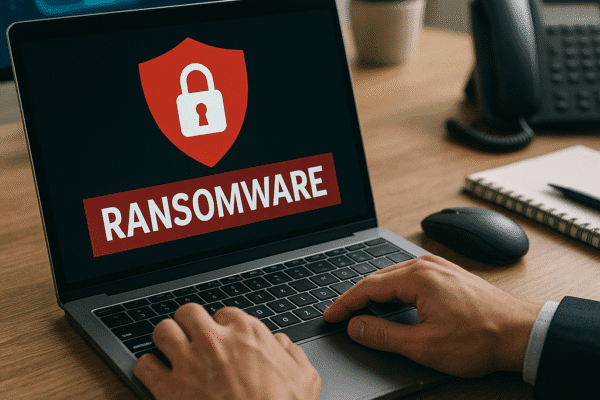
A well-prepared organization can turn a potential disaster into a manageable incident. Ransomware attacks are not only about data being encrypted; they challenge the very continuity of operations, stakeholder trust and financial stability. A comprehensive defense strategy goes beyond installing an antivirus solution—it requires a blend of technical safeguards, informed personnel and tested procedures. This article explores critical steps businesses can take to shield themselves from this escalating threat. Understanding…

Read More

Why Employee Training Is the Key to Cybersecurity

Cyber threats continue to evolve at an unprecedented pace, making employee training a crucial element in any organization’s defense strategy. While advanced firewalls and intrusion detection tools are essential, they can only do so much without a well-prepared workforce. By investing in comprehensive training programs, businesses can transform every team member into an active participant in safeguarding corporate assets and sensitive data. The Human Element in Cybersecurity Most security breaches…

Read More