How to Use Threat Modeling for Business Security Planning

Effective security planning requires a systematic approach to identify potential dangers, evaluate their impact, and prioritize protective measures. By integrating a structured process known as threat modeling, organizations can proactively strengthen their defenses and align their security initiatives with strategic goals. Understanding Threat Modeling At its core, threat modeling is a methodology for recognizing and evaluating the ways an adversary could compromise systems, data, or operations. This process helps organizations…

Read More

How to Prevent Information Leakage via Printers and Copiers

Protecting sensitive documents during printing and copying processes is critical for maintaining corporate confidentiality and ensuring that proprietary or customer data does not fall into the wrong hands. Printers and copiers have evolved into complex networked devices with built-in hard drives, wireless interfaces, and embedded software—creating multiple vectors for potential breaches. By understanding these vulnerabilities and implementing robust controls, businesses can safeguard their information against accidental exposure, unauthorized retrieval, or…

Read More

How to Build a Resilient Cybersecurity Infrastructure

Building a truly resilient cybersecurity infrastructure requires more than deploying tools—it demands a strategic blend of risk assessment, robust architecture, continuous monitoring, and an empowered workforce. In this guide, we explore key pillars that enable businesses to withstand evolving threats, minimize downtime, and protect critical assets. Risk Assessment and Threat Intelligence Effective cybersecurity begins with a comprehensive risk assessment that uncovers potential gaps in your environment. By quantifying the likelihood…

Read More

How to Improve Warehouse Security and Safety

Effective warehouse security and safety strategies are essential for protecting assets, ensuring operational continuity, and safeguarding personnel. A comprehensive approach blends physical measures, advanced technology, and ongoing employee engagement. By integrating risk assessments, targeted enhancements, and robust emergency procedures, organizations can build a resilient environment that thwarts threats and maintains productivity. Security Assessment and Risk Analysis Begin with a detailed audit to identify key vulnerabilities in warehouse operations. Map out…

Read More

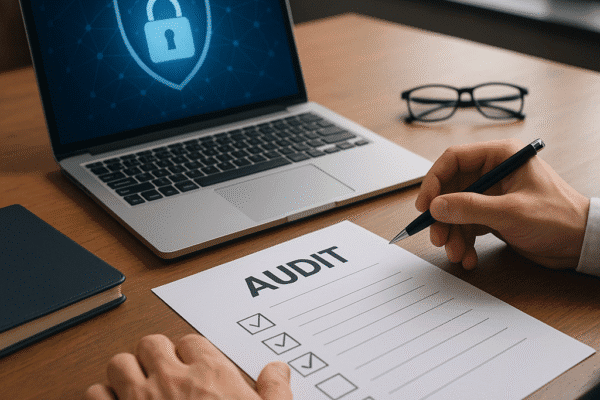
How to Audit Third-Party Security Practices

Auditing the security practices of third-party vendors is a critical component of a robust business security program. Effective reviews uncover potential vulnerabilities, ensure contractual compliance and protect sensitive data. This guide outlines a structured approach to assess and enhance your organization’s defenses against risks introduced by external partners. Identifying and Categorizing Third-Party Relationships To begin a systematic review, build a comprehensive inventory of all external partners. This includes cloud service…

Read More

The Importance of Security Patch Management

Effective security patch management forms the backbone of a resilient business security strategy. Organizations are constantly facing an evolving threat landscape where unpatched software can serve as an entry point for cybercriminals. This article explores the essential practices, common challenges, and strategic approaches to ensure that your enterprise consistently applies critical updates, minimizes vulnerabilities, and strengthens its operational integrity. Understanding the Patch Management Lifecycle Successful patch management involves a series…

Read More

How to Implement Security Awareness Programs That Work

Implementing a successful security awareness program requires a strategic approach that aligns with organizational objectives and addresses human factors. By focusing on creating engaging content, fostering a culture of vigilance, and continuously measuring progress, companies can reduce vulnerabilities and strengthen their overall security posture. Understanding the Foundation of a Security Awareness Program Before launching any initiative, it’s essential to identify key stakeholders and secure executive sponsorship. Their support provides the…

Read More

How to Protect Your Company from Supply Chain Attacks

Protecting an organization from hidden vulnerabilities requires a proactive approach to defend against complex supply chain attacks. By implementing a combination of strategic planning, robust processes, and advanced technologies, enterprises can effectively mitigate risks and ensure uninterrupted operations. Understanding Modern Supply Chain Risks Supply chain threats have evolved beyond traditional disruptions such as logistics delays or natural disasters. Today’s adversaries exploit software dependencies, third-party services, and even hardware components to…

Read More

The Importance of Cyber Hygiene in the Workplace

Effective cyber hygiene is the foundation of a robust business security strategy. From simple daily routines to enterprise-wide policies, organizations that prioritize systematic protection measures can significantly reduce their exposure to digital threats. This article explores essential concepts, practical steps, and future directions for cultivating a cyber-safe workplace environment. Understanding Cyber Hygiene and Its Relevance Maintaining good cyber hygiene means adopting a set of ongoing practices designed to keep systems…

Read More

How to Use Threat Intelligence in Business Security

Effective security frameworks rely on comprehensive visibility into emerging risks and adversary behaviors. Organizations that harness advanced threat intelligence can anticipate attacks, reduce exposure to critical vulnerabilities, and boost overall operational resilience. This article explores practical steps for leveraging intelligence data, integrating insights into business security strategies, and deploying automated tools to strengthen defenses. Understanding the Foundations of Threat Intelligence Adopting an intelligence-driven approach begins with clarifying what constitutes threat…

Read More