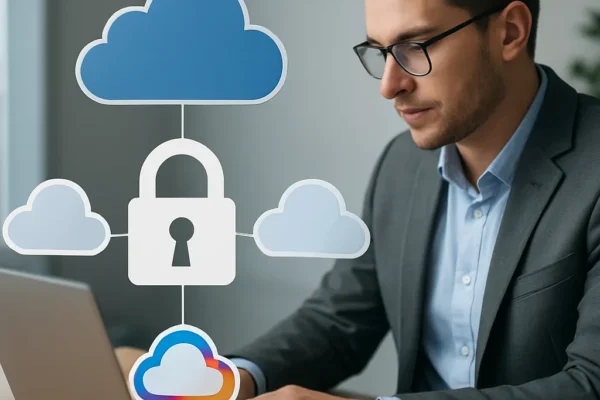
How to Secure Multi-Cloud Environments

Effective management of complex cloud deployments requires a well-defined security framework tailored for dynamic workloads and dispersed resources. This article explores proven strategies for protecting data, applications, and networks across heterogeneous public and private environments while maintaining agility and cost-effectiveness. Identifying and Mitigating Risks in Multi-Cloud Environments Attack Surface and Threat Modeling Every cloud platform introduces unique entry points, and combining services from multiple vendors amplifies the potential exposure. Organizations…

Read More

How to Ensure Security in Offshore Operations

Ensuring robust security in offshore operations demands a holistic approach that covers everything from physical safeguards to advanced digital defenses. Companies must recognize the unique challenges of remote locations, harsh environments and complex logistics. Building a resilient framework involves proactive risk assessments, continuous personnel training and the adoption of cutting-edge technology. Understanding the Threat Landscape Offshore platforms face a diverse array of threats that can disrupt production, endanger staff and…

Read More

How to Manage Cybersecurity During Product Development

Launching new offerings requires rigorous digital safety protocols integrated from the earliest design phases. Embedding a robust cybersecurity framework into the product lifecycle not only protects assets but also builds stakeholder trust and future-proofs solutions against evolving threats. Establishing a Security-Driven Development Culture Cultivating a Security Mindset Across Teams A fundamental pillar of a resilient product development process is a culture where every stakeholder values and prioritizes secure design and…

Read More

How to Secure Sensitive Projects in Research and Development

Securing sensitive projects in research and development demands a holistic approach that blends robust policies, advanced technology, and a vigilant organizational culture. As companies race to innovate, the protection of prototypes, proprietary data, and intellectual milestones becomes increasingly critical. This article explores strategic methodologies designed to safeguard R&D initiatives from espionage, data breaches, and internal vulnerabilities. Identifying and Classifying Sensitive R&D Assets Before deploying any security measures, organizations must gain…

Read More

How to Use Threat Modeling for Business Security Planning

Effective security planning requires a systematic approach to identify potential dangers, evaluate their impact, and prioritize protective measures. By integrating a structured process known as threat modeling, organizations can proactively strengthen their defenses and align their security initiatives with strategic goals. Understanding Threat Modeling At its core, threat modeling is a methodology for recognizing and evaluating the ways an adversary could compromise systems, data, or operations. This process helps organizations…

Read More

How to Securely Store and Transport Sensitive Materials

Ensuring the secure storage and transportation of sensitive materials is a critical component of modern business security. Organizations handling confidential data, proprietary documents, or valuable assets must prioritize robust procedures to protect their interests. By combining strategic planning, advanced technologies, and rigorous protocols, companies can minimize risks and uphold the highest standards of confidentiality and integrity. Assessing Risk and Operational Requirements Before selecting storage or transportation methods, businesses must conduct…

Read More

How to Secure Company Vehicles and Logistics

Securing company vehicles and managing logistics effectively are critical components of a comprehensive business security strategy. Organizations must safeguard assets in transit, protect sensitive cargo, and maintain the integrity of supply chains. By adopting a multi-layered approach that addresses physical measures, advanced technology, personnel training, and policy development, businesses can significantly reduce risks associated with theft, tampering, and operational disruptions. Assessment of Risks and Vulnerabilities Before implementing any security solution,…

Read More