










How to Build a Business Case for Security Investment
Building a compelling business case for security investment involves more than technical assessments—it requires a deep understanding of organizational goals, financial metrics, and stakeholder expectations. By aligning security initiatives with core business objectives, you can demonstrate tangible value, mitigate risks, and secure executive buy-in. Understanding Risk Landscape and Business Priorities Effective security planning begins with a thorough analysis of the risk landscape. Organizations face a variety of threats, from data…

How to Maintain Safety Standards in Remote Locations
Operating in geographically dispersed environments demands a strategic approach to safeguarding assets, personnel, and operations. Effective security measures hinge on a combination of proactive planning, robust technology, and continuous evaluation. This article explores key methodologies for maintaining high safety standards when facing the unique challenges presented by remote locations. Risk Assessment and Strategic Planning Before deploying teams or infrastructure to distant sites, organizations must conduct a thorough risk assessment. Identifying…

How to Prevent Shadow IT Risks in the Workplace
Unapproved applications and devices have quietly woven themselves into the corporate fabric, giving rise to a multitude of security gaps. Shadow IT can undermine even the most robust infrastructure, leading to data breaches, compliance failures, and operational disruptions. By taking a proactive stance, organizations can regain control over their environment, enhance employee productivity, and safeguard critical assets against hidden threats. Understanding Shadow IT and Its Hidden Threats Every organization grapples…

How to Integrate Cybersecurity with Corporate Strategy
Integrating cybersecurity into corporate strategy is no longer an optional exercise but a critical business imperative. Bridging the gap between technical defenses and executive decision-making requires a holistic approach that aligns security objectives with broader organizational goals. This article explores practical steps to embed cybersecurity seamlessly into strategic planning, ensuring robust protection while driving competitive advantage. Assessing Enterprise Risk and Strategic Priorities An effective integration begins with a thorough risk…

How to Secure Virtual Private Networks (VPNs)
Establishing a secure Virtual Private Network (VPN) is a critical step for modern enterprises seeking to protect sensitive data, maintain regulatory compliance, and enable safe remote access. This article explores the essential concepts, advanced measures, and ongoing practices required to fortify VPN infrastructures against an evolving threat landscape. Understanding VPN Fundamentals Core VPN Architectures Organizations typically choose between two principal VPN models: site-to-site and remote-access. A site-to-site VPN links branch…

How to Manage Security for Temporary Contractors
Managing security for temporary contractors demands a strategic combination of policy enforcement, technology solutions, and continuous oversight. Organizations must address unique challenges posed by short-term resources who often require rapid access to critical systems and data. Ensuring that contractors align with corporate security standards ultimately protects valuable assets and preserves the enterprise’s reputation. Understanding Risks Associated with Temporary Contractors Temporary contractors introduce several sensitive risks into an organization’s ecosystem. Because…

How to Create a Culture of Continuous Security Improvement
Creating a sustainable framework for organizational protection demands more than one-off fixes—it requires embedding a mindset where every team member is dedicated to ongoing vigilance and enhancement. A truly robust defense posture emerges when security is woven into everyday operations, decision-making processes, and the company’s collective ethos. This article explores practical strategies to cultivate a culture of continuous security improvement that drives long-term success and fortifies your business against evolving…

How to Protect High-Profile Executives from Cyber Threats
High-profile executives are frequent targets for cybercriminals seeking sensitive corporate information, personal data, or financial gain. Ensuring their digital and physical environments are shielded from evolving risks demands a holistic strategy that combines cutting-edge technology, rigorous protocols, and continuous education. This article explores the critical measures organizations must adopt to provide robust protection for their top leaders. Risk Landscape Facing High-Profile Executives Targeted Attacks and Espionage Senior leaders often oversee…

How to Prevent Security Incidents During Layoffs
When organizations face the difficult decision to reduce their workforce, they must also prepare to address the elevated security risks that often accompany the transition. A well-structured offboarding process combined with proactive technical measures and clear communication can dramatically reduce the chances of a malicious actor exploiting the period of turmoil. The following sections explore strategies to prevent security incidents during layoffs by aligning people, processes, and technology. Identifying Security…
How to Build an Effective Safety Reporting Platform
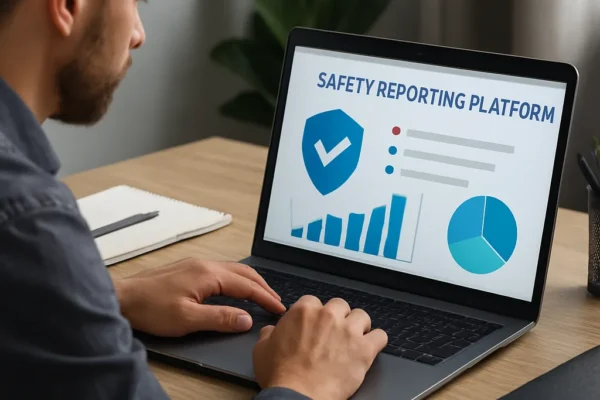
Building a solid framework for workplace incident documentation and feedback requires more than just a digital form. An effective safety reporting platform is the backbone of a proactive risk management strategy, empowering employees to share concerns and observations without fear. The following chapters explore essential principles, features, and strategies to design, implement, and sustain a system that enhances organizational safety culture and drives continuous improvement. Design Principles That Drive Success…