The Benefits of Cloud Security Posture Management

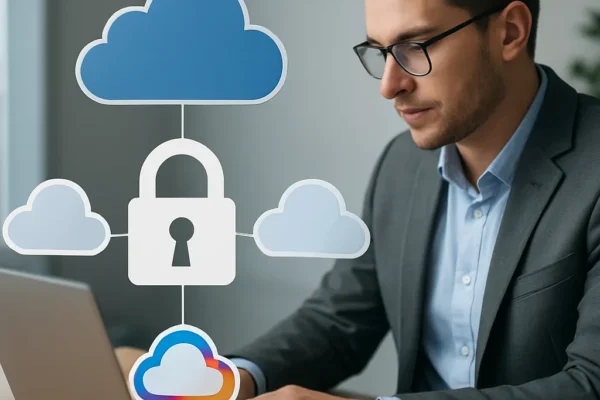
Cloud environments have revolutionized the way businesses operate, offering unprecedented **scalability** and flexibility. However, these advantages come with a complex landscape of misconfigurations and security gaps that can expose sensitive data. Cloud Security Posture Management (CSPM) has emerged as a critical discipline to ensure organizations maintain a strong security posture, even as they accelerate digital transformation initiatives. Understanding Cloud Security Posture Management At its core, CSPM provides continuous monitoring and…

Read More

How to Manage Employee Access Privileges Properly

Effective management of employee access privileges ensures robust organizational security, minimizes insider threats, and fosters trust among clients, employees, and stakeholders. By defining clear roles, enforcing the principle of least privileges, and leveraging automated solutions, companies can protect sensitive data and comply with industry compliance requirements. This article explores strategies for establishing a sound access control framework, monitoring and audit processes, and building a security-aware culture. Understanding Access Privilege Principles…

Read More

How to Conduct a Workplace Safety Survey

Conducting a comprehensive workplace safety survey can transform the way an organization identifies risks and fosters a culture of safety. By gathering honest feedback from employees, businesses gain data-driven insights that support compliance with regulations, reduce incidents, and enhance overall performance. This guide outlines the essential steps and best practices to design, administer, and act on a safety survey effectively. Planning Your Safety Survey Setting Objectives Before drafting questions, define…

Read More

How to Build a Resilient Cybersecurity Infrastructure

Building a truly resilient cybersecurity infrastructure requires more than deploying tools—it demands a strategic blend of risk assessment, robust architecture, continuous monitoring, and an empowered workforce. In this guide, we explore key pillars that enable businesses to withstand evolving threats, minimize downtime, and protect critical assets. Risk Assessment and Threat Intelligence Effective cybersecurity begins with a comprehensive risk assessment that uncovers potential gaps in your environment. By quantifying the likelihood…

Read More

The Role of Security in Environmental, Social, and Governance (ESG) Goals

The convergence of security and ESG (Environmental, Social, and Governance) goals is reshaping modern business landscapes. Effective security strategies do more than protect assets—they underpin broader commitments to sustainability, governance, and community welfare. By aligning protective measures with ESG principles, organizations can drive innovation, bolster reputation, and foster trust among stakeholder groups. This article explores how embedding robust security into each ESG pillar strengthens resilience and enables long-term value creation….

Read More

How to Ensure Workplace Safety for Night Shifts

Working through the night presents unique challenges that demand careful planning and effective measures. Ensuring a safe environment for night shift employees not only protects their physical health but also promotes operational continuity and employee morale. By adopting comprehensive strategies, organizations can address potential hazards, enhance security protocols and maintain a supportive atmosphere. Safety Risk Assessment for Night Shifts A systematic risk assessment lays the foundation for all subsequent safety…

Read More

How to Ensure Data Privacy in Remote Teams

In a landscape where teams are scattered across different continents, ensuring data privacy becomes a critical pillar of business security. Organizations must address unique challenges that arise from a decentralized workforce, striking a balance between accessibility and protection. By combining robust technical solutions, clear policies, and ongoing education, companies can build a resilient framework that safeguards sensitive information in any remote setting. Understanding Key Data Privacy Challenges Remote teams face…

Read More

How to Reduce Security Fatigue Among Employees

Employees juggle a multitude of tasks while navigating elaborate security procedures, which can lead to diminished vigilance and increased risk exposure. Addressing this phenomenon requires a blend of thoughtful policy design, engaging education, and ongoing support to foster a resilient and security-conscious workforce. Understanding the Root Causes of Security Fatigue Psychological Overload When workers face endless notifications about updates, password resets, and compliance checks, their cognitive load skyrockets. This constant…

Read More

How to Choose the Best Cybersecurity Framework for Your Business

Selecting the right cybersecurity framework can transform an organization’s approach to safeguarding digital assets. A structured model offers clear guidelines to manage threats, maintain compliance, and enhance overall security resilience. Whether you’re a small enterprise or a multinational corporation, understanding how to evaluate and implement a framework will determine how effectively you can anticipate, detect, and respond to cyber risks. Understanding the Role of a Cybersecurity Framework A framework provides…

Read More

How to Secure Shared Workspaces and Coworking Environments

Effective management of shared workspaces and coworking environments hinges on a balanced approach that addresses both tangible and intangible threats. From unauthorized entry to digital breaches, organizations must adopt comprehensive measures that safeguard people, data, and assets. This article explores a multi-faceted strategy—ranging from risk assessment and physical controls to network defenses and security culture—designed to minimize vulnerabilities while promoting a collaborative atmosphere. Assessing Security Risks in Shared Workspaces Before…

Read More