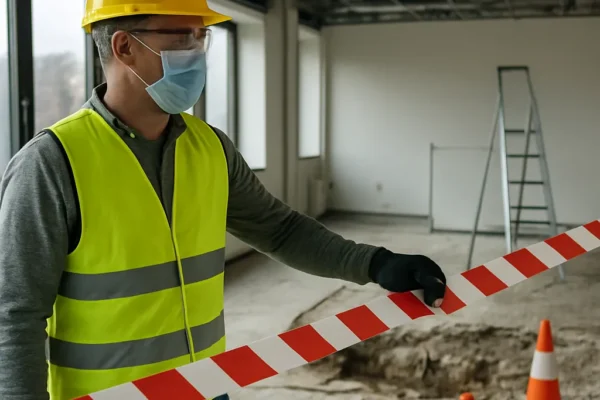
How to Maintain Safety During Office Renovations

Office renovations pose unique challenges for businesses aiming to uphold a secure and productive environment. Balancing ongoing operations with construction activities demands meticulous planning, clear communication, and unwavering attention to safety standards. This article explores practical strategies to maintain optimal security during every phase of an office overhaul, ensuring minimal disruption and maximum protection for employees, visitors, and assets. Planning and Risk Assessment Effective renovation begins long before demolition crews…

Read More

How to Conduct a Workplace Safety Survey

Conducting a comprehensive workplace safety survey can transform the way an organization identifies risks and fosters a culture of safety. By gathering honest feedback from employees, businesses gain data-driven insights that support compliance with regulations, reduce incidents, and enhance overall performance. This guide outlines the essential steps and best practices to design, administer, and act on a safety survey effectively. Planning Your Safety Survey Setting Objectives Before drafting questions, define…

Read More

How to Conduct a Fire Drill in Office Settings

Conducting a comprehensive fire drill in an office environment is a critical component of any robust safety culture. Regular drills help staff become familiar with evacuation procedures, validate the functionality of alarm and communication systems, and ensure compliance with local regulations. Effective practice empowers employees, minimizes panic, and can save lives in a real emergency scenario. Planning and Preparation A successful fire drill begins long before the alarm sounds. Detailed…

Read More

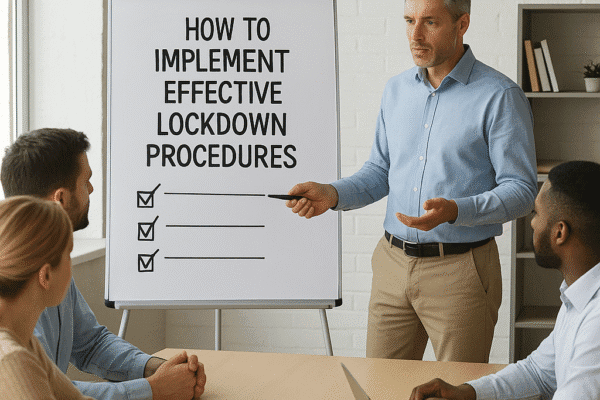
How to Implement Effective Lockdown Procedures

When a company prioritizes security and resilience, implementing comprehensive lockdown procedures becomes crucial to safeguarding employees, assets, and reputation. A carefully crafted plan ensures that teams respond swiftly and effectively during an emergency, minimizing risk and maintaining business continuity. Understanding Key Lockdown Principles Before drafting any formal plan, it’s essential to grasp the foundational elements that make a lockdown procedure successful. These building blocks include threat evaluation, resource allocation, and…

Read More

How to Reduce Security Fatigue Among Employees

Employees juggle a multitude of tasks while navigating elaborate security procedures, which can lead to diminished vigilance and increased risk exposure. Addressing this phenomenon requires a blend of thoughtful policy design, engaging education, and ongoing support to foster a resilient and security-conscious workforce. Understanding the Root Causes of Security Fatigue Psychological Overload When workers face endless notifications about updates, password resets, and compliance checks, their cognitive load skyrockets. This constant…

Read More

How to Reduce Human Error in Security Operations

Reducing **human error** in security operations requires a multifaceted approach that blends **technology**, **process**, and **culture**. By understanding common pitfalls and adopting best practices, organizations can strengthen their defenses and minimize the impact of mistakes on critical assets. Understanding Human Error in Security Operations Before implementing solutions, security teams must identify where errors typically occur. Human mistakes can arise in daily tasks such as log review, incident response, or system…

Read More

How to Prepare Your Company for Regulatory Security Audits

Preparing your organization for regulatory security audits requires a structured approach that balances **compliance** standards with practical business operations. A successful audit not only demonstrates your commitment to protecting sensitive data but also builds trust with clients, partners, and regulators. This guide outlines a step-by-step plan to ensure your company is fully prepared, covering everything from initial gap assessments to final audit day logistics. Conduct a Comprehensive Risk Assessment A…

Read More

How to Ensure Physical Safety in Construction Companies

Ensuring physical safety across construction companies demands a strategic blend of preventive strategies, systematic oversight, and continuous improvement. By integrating robust measures into every phase of a project—from initial planning to final handover—organizations can mitigate on-site dangers, protect workers, and safeguard assets. The following sections delve into essential aspects of building a resilient safety culture and outline actionable steps for achieving operational excellence in construction sites. Identifying and Conducting Comprehensive…

Read More

How to Prepare for Natural Disasters at Work

Preparing a workplace for natural disasters demands a strategic blend of foresight, coordination, and practical measures. Organizations that prioritize risk assessment, reliable communication, and thorough training can significantly reduce downtime and financial losses. A comprehensive approach ensures both continuity of operations and safety of employees. Risk Assessment and Planning Identifying Potential Hazards Every region faces unique threats—hurricanes, earthquakes, floods, wildfires, or tornadoes. Begin by mapping out all possible scenarios. Engage…

Read More

How to Protect Company Data During Employee Turnover

Employee turnover presents a critical juncture for organizations determined to maintain robust data protection. Departing staff members can inadvertently or deliberately expose sensitive information, making it essential to establish comprehensive safeguards. This article explores practical strategies to secure company data during transitions, focusing on access restrictions, structured offboarding, continuous monitoring, and proactive communication. Understanding Employee Turnover Risks Sudden personnel changes can expose gaps in existing security frameworks. When an employee…

Read More