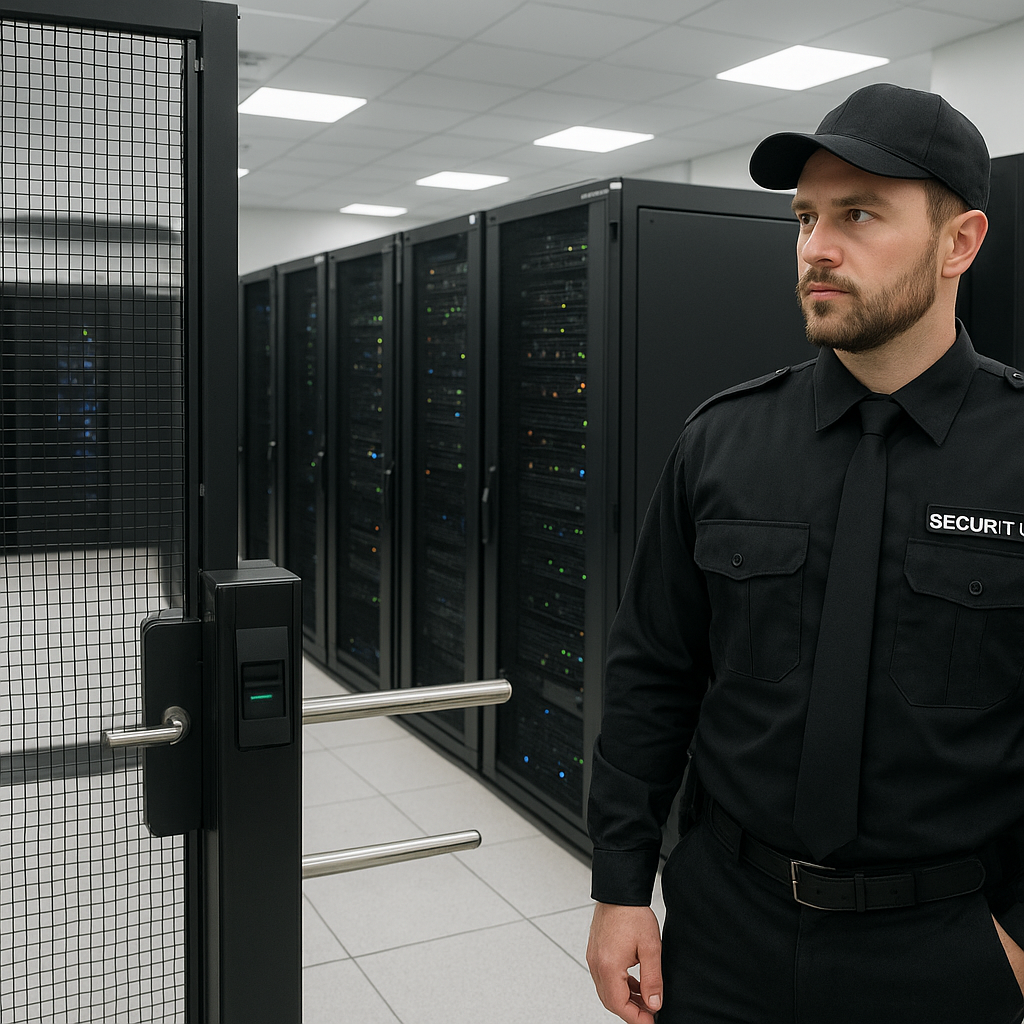
The rise of voice recognition technology in security has transformed the way we approach authentication and access control. As the demand for more secure and user-friendly systems increases, voice recognition has emerged as a viable solution, offering both convenience and enhanced security measures. This article explores the evolution of voice recognition technology, its applications in security, and the challenges it faces in becoming a mainstream solution.
The Evolution of Voice Recognition Technology
Voice recognition technology has come a long way since its inception. Initially, the technology was rudimentary, relying on simple sound patterns and limited vocabulary. However, advancements in machine learning and artificial intelligence have significantly improved the accuracy and reliability of voice recognition systems.
In the early days, voice recognition systems were primarily used in specialized applications, such as dictation software and basic command recognition. These systems required extensive training and were often limited to specific environments. As technology progressed, the introduction of neural networks and deep learning algorithms allowed for more sophisticated processing of voice data, enabling systems to understand natural language and context.
Today, voice recognition technology is integrated into various devices and applications, from smartphones to smart home assistants. This widespread adoption has paved the way for its use in security applications, where the need for robust authentication methods is paramount.
Applications of Voice Recognition in Security
Voice recognition technology has found numerous applications in the field of security, enhancing both physical and digital security measures. Some of the most notable applications include:
- Access Control: Voice recognition can be used as a biometric authentication method for accessing secure areas or systems. By analyzing unique vocal characteristics, organizations can ensure that only authorized personnel gain entry.
- Fraud Prevention: In the financial sector, voice recognition is employed to verify the identity of customers during phone transactions. This helps prevent identity theft and fraudulent activities, as the system can distinguish between authorized users and impostors.
- Surveillance Systems: Advanced surveillance systems can incorporate voice recognition to identify individuals based on their voice patterns. This can be particularly useful in high-security environments, such as airports or government buildings.
- Smart Home Security: Voice-activated security systems allow homeowners to control alarms, locks, and cameras using their voice. This not only enhances convenience but also adds an extra layer of security, as the system can be programmed to recognize only specific voices.
Benefits of Voice Recognition in Security
The integration of voice recognition technology in security systems offers several benefits:
- Convenience: Users can authenticate their identity without the need for passwords or physical tokens, making the process faster and more user-friendly.
- Enhanced Security: Voice recognition provides a unique biometric identifier that is difficult to replicate, reducing the risk of unauthorized access.
- Non-Intrusive: Unlike traditional security measures, such as fingerprint scanners or facial recognition, voice recognition can be implemented without requiring physical contact, making it a more hygienic option.
Challenges and Limitations
Despite its advantages, voice recognition technology in security is not without challenges. Some of the key limitations include:
- Environmental Factors: Background noise, echoes, and other environmental conditions can affect the accuracy of voice recognition systems, leading to false rejections or acceptances.
- Voice Variability: Factors such as illness, stress, or changes in vocal tone can impact a person’s voice, potentially hindering their ability to authenticate successfully.
- Security Concerns: While voice recognition is generally secure, there are concerns about spoofing attacks, where an unauthorized user attempts to gain access by mimicking a legitimate user’s voice.
The Future of Voice Recognition in Security
As technology continues to evolve, the future of voice recognition in security looks promising. Ongoing research and development aim to address the current limitations and enhance the reliability of voice recognition systems. Innovations such as multi-factor authentication, which combines voice recognition with other biometric methods, are being explored to create more secure solutions.
Moreover, the integration of artificial intelligence and machine learning will likely lead to more adaptive systems that can learn and improve over time. These advancements could enable voice recognition systems to better handle variations in voice and environmental conditions, making them more robust and reliable.
Regulatory and Ethical Considerations
As voice recognition technology becomes more prevalent in security applications, regulatory and ethical considerations will also come to the forefront. Issues related to privacy, data protection, and consent must be addressed to ensure that users’ rights are respected. Organizations implementing voice recognition systems will need to establish clear policies regarding data storage, usage, and sharing to comply with regulations and build trust with users.
Conclusion
The rise of voice recognition technology in security represents a significant shift in how we approach authentication and access control. With its numerous applications and benefits, voice recognition has the potential to enhance security measures across various sectors. However, addressing the challenges and limitations of the technology will be crucial for its widespread adoption. As we move forward, a balanced approach that considers both technological advancements and ethical implications will be essential in harnessing the full potential of voice recognition in security.