How to Secure Company Websites Against Hacking

Securing a company website is paramount to protecting sensitive data, maintaining customer trust, and ensuring uninterrupted operations. A breach can result in significant financial loss, reputational damage, and legal consequences. By understanding common threats, implementing multi-layered defenses, and establishing a proactive response plan, organizations can bolster their digital presence against determined attackers. Understanding Website Vulnerabilities Identifying Common Attack Vectors Websites face a variety of threats, ranging from automated bots to…

Read More

How to Develop a Workplace Security Checklist

Ensuring a secure work environment requires a systematic approach that addresses physical, digital, and procedural elements. A comprehensive workplace security checklist helps organizations minimize threats, safeguard assets, and maintain operational continuity. By focusing on risk identification, robust access management, and clear incident protocols, businesses can build a resilient security framework tailored to their unique needs. Identifying and Assessing Security Risks Before implementing any measures, it is crucial to conduct a…

Read More

How to Safely Manage Security Footage and Logs

Effective management of security footage and logs is crucial for any organization seeking to protect assets, meet regulatory demands, and maintain operational efficiency. By adopting modern practices and technologies, businesses can strengthen their overall security posture while ensuring data remains accurate, reliable, and accessible during investigations. This article explores key strategies for secure storage, robust access controls, legal compliance, and scalable monitoring systems that empower organizations to handle sensitive information…

Read More

How to Respond to a Physical Security Breach

Reacting swiftly and effectively to a physical security breach is essential for protecting assets, personnel, and reputation. This article outlines practical strategies and detailed procedures for organizations to prepare, respond, and recover from unauthorized access or other breaches. Preparation Strategies for Physical Security Robust preparation forms the foundation of any successful response to a breach. By establishing strong protocols, continuous monitoring, and regular training, organizations can reduce both the likelihood…

Read More

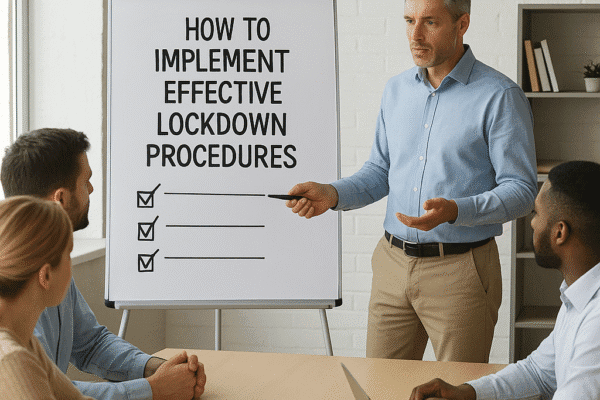
How to Implement Effective Lockdown Procedures

When a company prioritizes security and resilience, implementing comprehensive lockdown procedures becomes crucial to safeguarding employees, assets, and reputation. A carefully crafted plan ensures that teams respond swiftly and effectively during an emergency, minimizing risk and maintaining business continuity. Understanding Key Lockdown Principles Before drafting any formal plan, it’s essential to grasp the foundational elements that make a lockdown procedure successful. These building blocks include threat evaluation, resource allocation, and…

Read More

The Role of Blockchain in Enhancing Business Security

Adopting distributed ledger technologies has become a critical component for organizations seeking to fortify their defenses against cyber threats and internal vulnerabilities. By leveraging the blockchain architecture, companies can achieve unprecedented levels of transparency, traceability, and resilience. This exploration delves into practical applications, architectural considerations, and emerging trends that collectively demonstrate how blockchain transforms traditional approaches to security in business environments. Enhancing Data Integrity through Distributed Ledger Technology At the…

Read More

How to Use Security Metrics to Improve Company Performance

In a competitive business environment, measuring the effectiveness of your cybersecurity efforts is just as critical as implementing robust defense mechanisms. By leveraging security metrics that align with organizational objectives, companies can transform raw data into actionable intelligence. These insights not only reinforce your security posture but also drive continuous growth, enhance decision-making, and demonstrate tangible value to stakeholders. Selecting the Right Security Metrics Choosing appropriate metrics is the foundation…

Read More

How to Manage Physical Keys and Access Cards

Ensuring seamless control over physical keys and access cards is a critical pillar of any robust business security framework. Organizations must address potential vulnerabilities at every stage, from issuance to decommissioning, to maintain an environment where only authorized personnel can enter sensitive areas. Implementing structured policies reduces risk, improves operational efficiency, and reinforces the trust of clients, employees, and stakeholders. Key Identification and Classification Proper identification and classification of keys…

Read More

How to Prevent Tailgating in Secure Areas

Organizations today face a persistent challenge when unauthorized individuals gain entry to sensitive areas by following closely behind an authorized person—a method known as tailgating. Failing to address this risk can lead to data breaches, theft of intellectual property, and threats to employee safety. Robust measures combining physical design, cutting-edge technology, and a culture of security are essential to block unauthorized access. This article explores practical strategies for preventing tailgating…

Read More

How to Protect Personal Employee Data Under GDPR

Protecting personal employee data under the GDPR demands a proactive and structured approach, combining legal understanding with robust technical and organizational safeguards. By embedding compliance into everyday operations, businesses can ensure that sensitive information remains secure, while fostering trust and minimizing the risk of costly violations. Understanding GDPR Requirements for Employee Data Legal Foundations At the core of GDPR lies a set of principles designed to safeguard personal data and…

Read More