How to Protect Against Voice Phishing (Vishing)

Organizations face a growing wave of voice-based scams that exploit human trust and technological gaps. Effective defenses require a holistic approach combining policy, process, and technology. This article explores strategies to safeguard your company against vishing attacks, ensuring resilient operations and protected assets. Understanding Vishing and Its Business Impact Voice phishing, commonly known as vishing, leverages deceptive calls to trick employees into divulging sensitive data or authorizing fraudulent transactions. Attackers…


Read More

How to Create a Secure Remote Access Policy

Establishing a comprehensive remote access policy is a critical step for any organization seeking to protect its digital environment while enabling secure connectivity for employees, contractors, and partners. By crafting clear guidelines, defining robust controls, and promoting ongoing education, businesses can reduce risk and ensure a stable framework for accessing internal resources from off-site locations. Defining Objectives and Scope A well-defined policy starts with a clear understanding of the organization’s…

Read More

How to Secure Smart Building Systems and IoT Sensors

The rapid integration of advanced sensors and networked controls has transformed modern facilities into interconnected ecosystems. From climate control to security surveillance, these devices provide real-time insights and automation that optimize operations and enhance occupant comfort. Yet their widespread deployment also introduces sophisticated attack vectors that can compromise business continuity, data integrity, and even physical safety. This article outlines comprehensive strategies for shoring up your smart building infrastructure against emerging…

Read More

How to Protect Sensitive Information During Remote Meetings

Remote meetings have become integral to modern business operations, bringing teams together across time zones and eliminating geographic barriers. However, the convenience of virtual collaboration introduces new security challenges. Sensitive data such as financial reports, product roadmaps, and client information can be exposed if proper precautions are not taken. This article explores best practices to safeguard your organization’s most valuable assets during online conferences. Choosing Secure Meeting Platforms Selecting the…

Read More

How to Secure Company-Owned Mobile Phones

Securing company-owned mobile phones demands a comprehensive strategy that balances user convenience with robust protection against evolving cyber threats. A well-structured approach encompasses clear governance, advanced technical controls, and continuous oversight. By integrating policies that reflect organizational risk appetite, deploying a capable MDM solution, and enforcing strong authentication mechanisms, businesses can mitigate data breaches and unauthorized access. Prioritizing encryption for data at rest and in transit, alongside proactive monitoring and…

Read More

How to Secure APIs in Business Applications

Securing APIs in modern business applications is critical to protect sensitive data, maintain system integrity, and uphold customer trust. With the rise of cloud services and microservices, APIs serve as the backbone of digital ecosystems, enabling seamless integration between internal systems and external partners. However, this connectivity also introduces potential vulnerability points that can be exploited by malicious actors. Implementing a robust API security strategy requires a multifaceted approach, covering…

Read More

How to Implement a Robust Access Management Policy

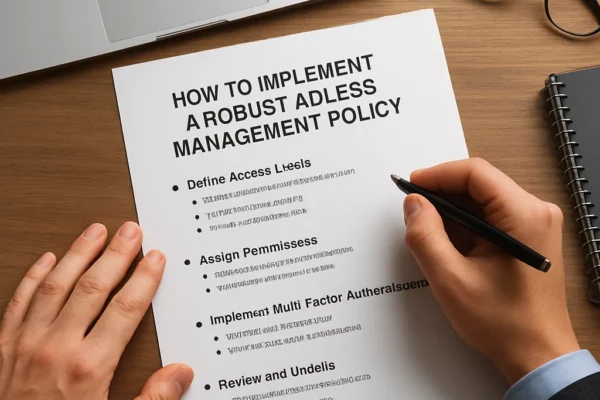
Implementing a comprehensive access management policy is crucial for any organization aiming to safeguard its assets and maintain operational integrity. This article explores the essential steps and best practices to create a robust framework, ensuring that only authorized individuals can access sensitive resources while maintaining flexibility and scalability. Policy Framework and Governance Establishing a solid foundation begins with defining clear objectives and assigning responsibilities. An effective access management policy should…

Read More

How to Secure Company Websites Against Hacking

Securing a company website is paramount to protecting sensitive data, maintaining customer trust, and ensuring uninterrupted operations. A breach can result in significant financial loss, reputational damage, and legal consequences. By understanding common threats, implementing multi-layered defenses, and establishing a proactive response plan, organizations can bolster their digital presence against determined attackers. Understanding Website Vulnerabilities Identifying Common Attack Vectors Websites face a variety of threats, ranging from automated bots to…

Read More

How to Safely Manage Security Footage and Logs

Effective management of security footage and logs is crucial for any organization seeking to protect assets, meet regulatory demands, and maintain operational efficiency. By adopting modern practices and technologies, businesses can strengthen their overall security posture while ensuring data remains accurate, reliable, and accessible during investigations. This article explores key strategies for secure storage, robust access controls, legal compliance, and scalable monitoring systems that empower organizations to handle sensitive information…

Read More

How to Handle Confidential Information in Open Offices

Open-plan workspaces have revolutionized collaboration and flexibility, but they also pose unique challenges for safeguarding sensitive data. Balancing transparency with protection requires meticulous strategies and diligent execution. This article explores actionable methods to maintain confidentiality without sacrificing the collaborative benefits of modern office design. Implementing Visual Privacy Measures One of the first steps toward a secure open office is to address inadvertent exposure of documents and screens. Even brief glances…

Read More