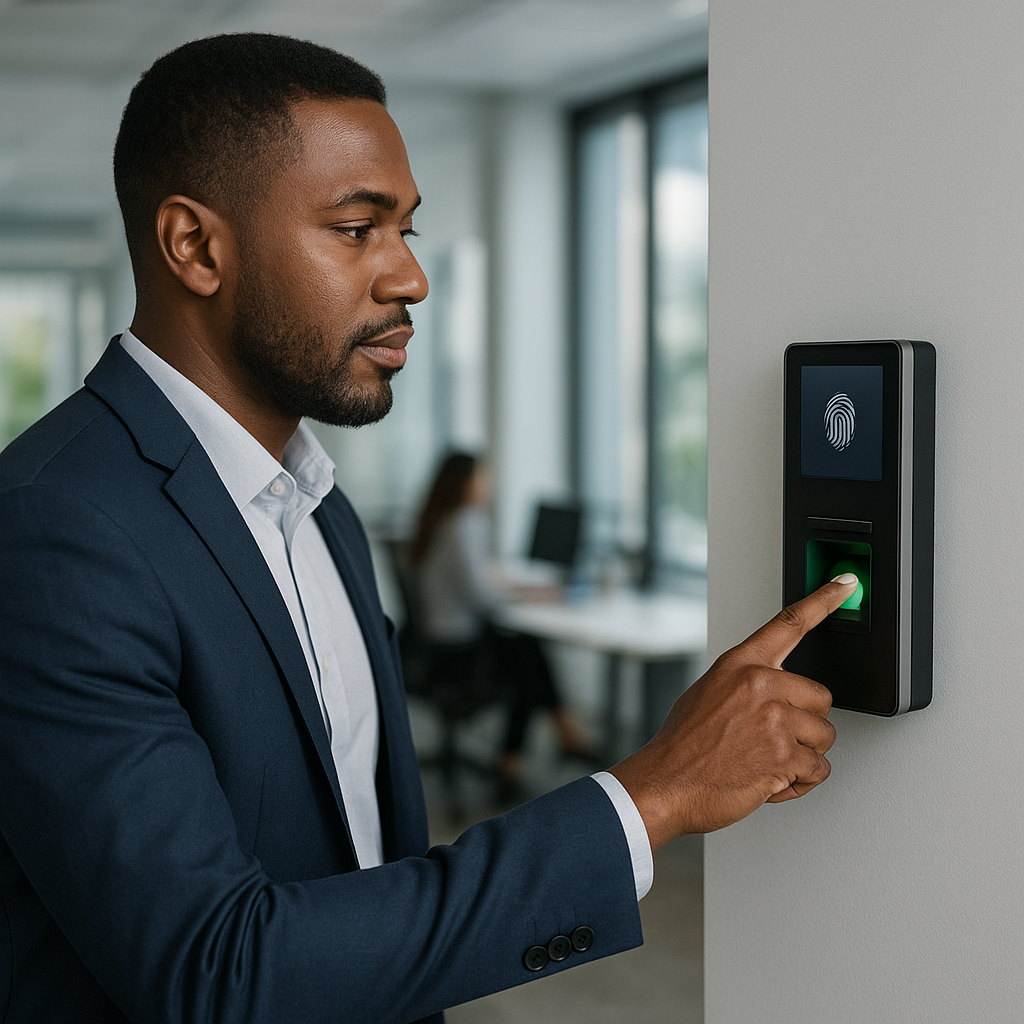
Biometric authentication is revolutionizing the way organizations verify identity and secure sensitive areas. By leveraging unique physiological and behavioral traits, businesses can bolster defenses, simplify access controls, and maintain rigorous compliance standards. This article explores the multifaceted advantages of biometric systems in the workplace, outlines best practices for implementation, and highlights the strategic value they deliver to modern enterprises.
Enhanced Security Through Unique Identifiers
Traditional methods such as keycards and passwords remain vulnerable to theft, duplication, and human error. Biometric solutions, by contrast, rely on inherently unique traits—fingerprints, facial patterns, iris recognition or voice prints—that are extremely difficult to forge or share. This level of accuracy dramatically reduces the risk of unauthorized entry and internal fraud.
Key security benefits include:
- Non-repudiation: Each transaction or door access event ties back to a specific individual, making it impossible to deny responsibility.
- Resistance to tailgating: Biometric turnstiles and terminals prevent multiple people from passing on one credential.
- Fraud prevention: Algorithms detect spoofing attempts and liveness checks verify that a real, live person is presenting the trait.
Advanced Threat Detection
Integration of biometric systems with video analytics and machine learning models can trigger alerts when anomalies occur, such as mismatched identities or repeated failed scans. This proactive stance enhances overall security posture and provides faster incident response.
Streamlined Access and Operational Efficiency
Implementing biometric authentication not only tightens security but also optimizes daily workflows. Employees gain rapid, touchless access to workstations, labs, data centers, and restricted offices without memorizing or managing multiple credentials.
- Reduced administrative overhead: No more managing lost badge reports or password reset tickets. IT teams can focus on strategic projects rather than help-desk requests.
- Faster throughput: High-speed scanners ensure minimal queueing at entry points, enhancing employee satisfaction.
- Integration with time and attendance: Accurate tracking of employee hours eliminates “buddy punching” and manual timesheet corrections.
Scalability and Flexibility
Modern biometric platforms support cloud-based deployment and can scale from a single office to multinational campuses. Through open APIs, they integrate with existing access control software, HR databases, and visitor management systems—ensuring seamless interoperability and smooth rollouts.
Regulatory Compliance and Audit Trails
Industries such as finance, healthcare, and government must adhere to stringent regulations regarding data access and privacy. Biometric solutions provide comprehensive audit logs that record who accessed which resource and when, ensuring transparent and verifiable compliance with standards like GDPR, HIPAA, PCI DSS, and SOX.
- Immutable logs: Biometric systems generate tamper-evident records that simplify internal reviews and external audits.
- Role-based access control: Fine-grained policies link biometric identities to specific roles, ensuring least-privilege enforcement.
- Automated reporting: Customizable dashboards track key metrics and generate compliance reports on demand.
Privacy and Data Protection
While biometrics involve sensitive personal data, industry best practices—such as template encryption, secure key management, and on-device processing—ensure that raw biometric images never leave the secure enclave. This approach aligns with privacy-by-design principles and fosters employee trust.
Implementation Best Practices
Successful deployment of biometric authentication requires careful planning, stakeholder engagement, and robust technology selection. The following guidelines help organizations maximize return on investment and minimize operational disruptions.
- Conduct a risk assessment: Identify critical assets, threat scenarios, and regulatory requirements to determine appropriate biometric modalities.
- Engage end-users early: Solicit feedback on comfort levels, cultural concerns, and accessibility needs to ensure widespread acceptance.
- Choose a modular architecture: Select platforms that support multiple biometric types and third-party integrations to future-proof investments.
- Train personnel: Offer hands-on sessions to familiarize security teams and employees with new devices and procedures.
- Maintain redundancy: Combine biometrics with PIN fallback or mobile credentials to guarantee uninterrupted access.
Performance Monitoring and Optimization
Continuous monitoring of false accept and false reject rates helps fine-tune sensor sensitivity and algorithm thresholds. Regular firmware updates and periodic system audits ensure peak reliability and guard against emerging threats.
Measuring Business Impact
Quantifying the benefits of biometric authentication extends beyond enhanced security. Organizations often observe measurable improvements in productivity, cost savings, and employee morale.
- Lower operational costs: Fewer support tickets, reduced need for printed badges, and streamlined HR processes deliver tangible savings.
- Time recovery: Faster onboarding and secure remote access capabilities accelerate business continuity.
- Employee confidence: A robust security framework reassures staff that their personal and corporate data remain protected.
By tracking metrics such as incident rates, access latency, and compliance audit outcomes, leaders can demonstrate clear ROI and justify ongoing investments in advanced authentication technologies.
Future Trends in Biometric Security
Emerging innovations promise to push biometric capabilities even further. Contactless palm recognition, vein pattern analysis, and gait-based identification are gaining traction due to their high accuracy and ease of use. Meanwhile, decentralized identity solutions and blockchain-backed biometric templates aim to enhance privacy and user control.
As artificial intelligence evolves, adaptive systems will learn normal access patterns and automatically adjust security policies in real time—keeping pace with shifting threat landscapes and evolving workplace dynamics.