How to Implement Behavior-Based Safety Programs

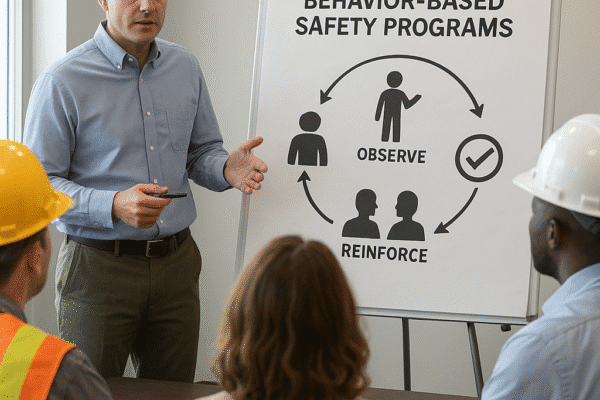
Implementing a robust behavior-based safety program can transform an organization’s approach to risk management, employee well-being, and operational resilience. By focusing on observable actions and underlying motivations, companies can foster a proactive environment where every team member contributes to maintaining a secure workplace. This article explores foundational concepts, strategic design, practical rollout, and continuous enhancement of an effective behavior-based safety initiative. Foundations of Behavior-Based Safety Behavior-based safety (BBS) shifts the…


Read More

How to Build a Security Operations Center (SOC)

Building a dedicated Security Operations Center (SOC) is a crucial step for organizations seeking to enhance their risk management and incident handling capabilities. A robust SOC serves as the nerve center of an enterprise’s security posture, combining people, processes, and technologies to detect, analyze, and respond to cyber threats in real time. This article outlines a practical roadmap to establish and evolve a SOC, focusing on business-driven imperatives and best…

Read More

How to Use Security Metrics to Improve Company Performance

In a competitive business environment, measuring the effectiveness of your cybersecurity efforts is just as critical as implementing robust defense mechanisms. By leveraging security metrics that align with organizational objectives, companies can transform raw data into actionable intelligence. These insights not only reinforce your security posture but also drive continuous growth, enhance decision-making, and demonstrate tangible value to stakeholders. Selecting the Right Security Metrics Choosing appropriate metrics is the foundation…

Read More

The Role of Ethical Hacking in Business Security

The business environment is evolving at a breakneck pace, with organizations relying on digital systems to process data, manage operations, and engage customers. As technology adoption deepens, so do the risks associated with malicious actors seeking to exploit weaknesses. Ethical hacking has emerged as a cornerstone of robust defense strategies, empowering companies to identify and remediate gaps before they become critical failures. This article explores the multifaceted role of ethical…

Read More

How to Create a Safety Committee in Your Company

Establishing a robust safety framework within a company begins with the creation of a dedicated committee focused on protecting employees, assets, and reputation. This article explores practical steps to assemble a Safety Committee that drives continuous improvement in workplace security and builds a resilient risk management culture. Establishing the Foundation for Your Safety Committee Before assembling team members, it is essential to define the purpose and scope of the Safety…

Read More

The Importance of Regular Penetration Testing

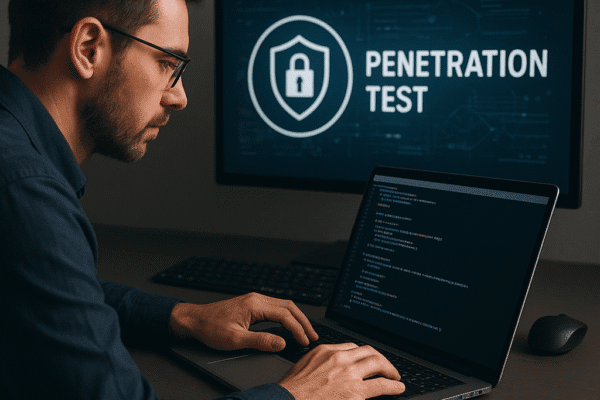
Regular penetration testing has become an essential component of any robust business security strategy. By simulating real-world cyber attacks, organizations can proactively identify and address hidden weaknesses before they turn into costly breaches. This article delves into the critical aspects of ongoing penetration testing, exploring its practical advantages, strategic implementation, and collaborative approaches to safeguard sensitive assets. Understanding Penetration Testing Penetration testing, often called “pentesting,” involves authorized attempts to exploit…

Read More

Why Every Company Needs an Incident Response Team

Establishing a reliable incident response capability is no longer optional for modern organizations. Companies face an escalating number of sophisticated cyber threats, operational disruptions, and compliance pressures. Building a dedicated team focused on rapid detection, containment, and recovery empowers businesses to navigate crises effectively, maintain stakeholder confidence, and protect valuable assets. The Role and Importance of an Incident Response Team Every organization, regardless of size or industry, should recognize the…

Read More

The Importance of Multi-Factor Authentication for Businesses

Implementing multi-factor authentication (MFA) has become an essential pillar in any organization’s security posture. By requiring more than one form of user verification, businesses can significantly reduce vulnerabilities associated with relying solely on passwords. This article explores the key aspects of MFA, its benefits for enterprises, best practices for deployment, and emerging trends shaping the future of identity verification. Understanding Multi-Factor Authentication Definition and Components Multi-factor authentication represents a layered…

Read More

How to Build a Strong Security Culture in the Workplace

Building a strong security culture within an organization requires more than just implementing technical controls. It demands a comprehensive approach that engages every member of the team, from executives to frontline staff. When employees genuinely understand their role in risk management and feel empowered to take proactive steps, the entire company becomes more resilient to threats. This guide explores practical strategies for cultivating a workplace environment where security is woven…

Read More