How to Handle Insider Threats Without Harming Trust

Insider threats can quietly undermine an organization’s security posture, leading to data breaches, financial losses, and reputational damage. Balancing robust protection with a culture of trust demands a nuanced approach. This article explores comprehensive strategies to detect, prevent, and respond to insider risks while maintaining a collaborative environment that empowers employees and safeguards sensitive assets. Identifying and Assessing Insider Threats Understanding Types of Insider Risks Organizations face a spectrum of…

Read More

How to Build a Security Operations Center (SOC)

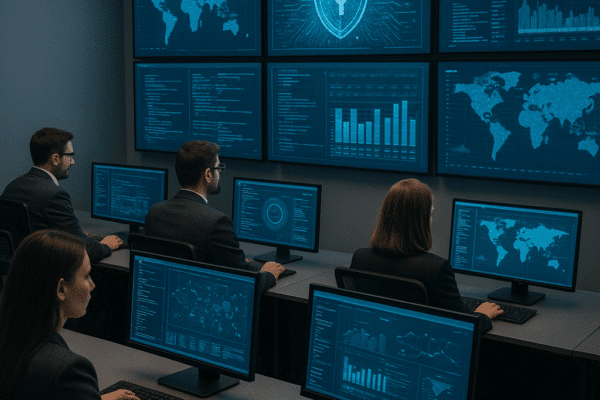
Building a dedicated Security Operations Center (SOC) is a crucial step for organizations seeking to enhance their risk management and incident handling capabilities. A robust SOC serves as the nerve center of an enterprise’s security posture, combining people, processes, and technologies to detect, analyze, and respond to cyber threats in real time. This article outlines a practical roadmap to establish and evolve a SOC, focusing on business-driven imperatives and best…

Read More

How to Ensure Safety During Company Events

Organizing a company event involves more than selecting a venue and sending invitations. Ensuring the safety of attendees, staff, and assets is an essential aspect of any successful gathering. From comprehensive risk assessments to real-time monitoring, event planners must adopt a multi-layered approach that addresses every potential vulnerability. This article explores key strategies across planning, infrastructure, personnel, and technology to guarantee a secure, well-managed event experience. Risk Assessment and Planning…

Read More

How to Protect Your Company from Supply Chain Attacks

Protecting an organization from hidden vulnerabilities requires a proactive approach to defend against complex supply chain attacks. By implementing a combination of strategic planning, robust processes, and advanced technologies, enterprises can effectively mitigate risks and ensure uninterrupted operations. Understanding Modern Supply Chain Risks Supply chain threats have evolved beyond traditional disruptions such as logistics delays or natural disasters. Today’s adversaries exploit software dependencies, third-party services, and even hardware components to…

Read More

How to Create a Business Continuity Plan After a Security Breach

Crafting a robust business continuity plan in the aftermath of a security breach is critical for safeguarding your organization’s future. A well-structured plan ensures you can swiftly respond to incidents, minimize operational downtime, and maintain stakeholder trust. This guide explores actionable steps to help you rebuild stronger defenses and establish a resilient framework for ongoing protection. Understanding the Impact of a Security Breach Before embarking on the planning process, it…

Read More

How to Prepare Your Company for Regulatory Security Audits

Preparing your organization for regulatory security audits requires a structured approach that balances **compliance** standards with practical business operations. A successful audit not only demonstrates your commitment to protecting sensitive data but also builds trust with clients, partners, and regulators. This guide outlines a step-by-step plan to ensure your company is fully prepared, covering everything from initial gap assessments to final audit day logistics. Conduct a Comprehensive Risk Assessment A…

Read More

How to Use Drones for Security and Surveillance Safely

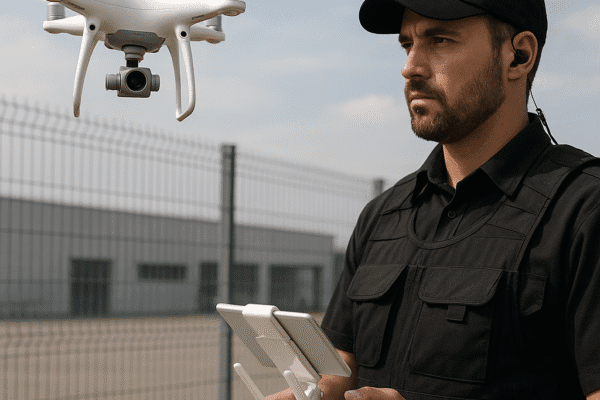
Integrating unmanned aerial vehicles into a corporate security framework can revolutionize perimeter monitoring and asset protection. By embracing advanced drones equipped with high-resolution cameras and sensors, organizations can enhance situational awareness and respond swiftly to potential threats. This article explores essential strategies for employing aerial systems safely, with emphasis on regulatory adherence, operational protocols, and data security within a business context. Regulatory and Legal Considerations Before deploying any aerial platform,…

Read More

How to Securely Store and Transport Sensitive Materials

Ensuring the secure storage and transportation of sensitive materials is a critical component of modern business security. Organizations handling confidential data, proprietary documents, or valuable assets must prioritize robust procedures to protect their interests. By combining strategic planning, advanced technologies, and rigorous protocols, companies can minimize risks and uphold the highest standards of confidentiality and integrity. Assessing Risk and Operational Requirements Before selecting storage or transportation methods, businesses must conduct…

Read More

How to Keep Data Secure During Mergers and Acquisitions

Mergers and acquisitions (M&A) represent pivotal moments for any organization, blending operations, cultures, and data repositories into a single entity with high strategic value. However, combining disparate systems and information assets also elevates the stakes for security teams tasked with preserving proprietary and sensitive data. Effective preparation and execution of a data security strategy can mean the difference between a seamless integration and a costly breach that undermines stakeholder trust….

Read More

How to Ensure Physical Safety in Construction Companies

Ensuring physical safety across construction companies demands a strategic blend of preventive strategies, systematic oversight, and continuous improvement. By integrating robust measures into every phase of a project—from initial planning to final handover—organizations can mitigate on-site dangers, protect workers, and safeguard assets. The following sections delve into essential aspects of building a resilient safety culture and outline actionable steps for achieving operational excellence in construction sites. Identifying and Conducting Comprehensive…

Read More