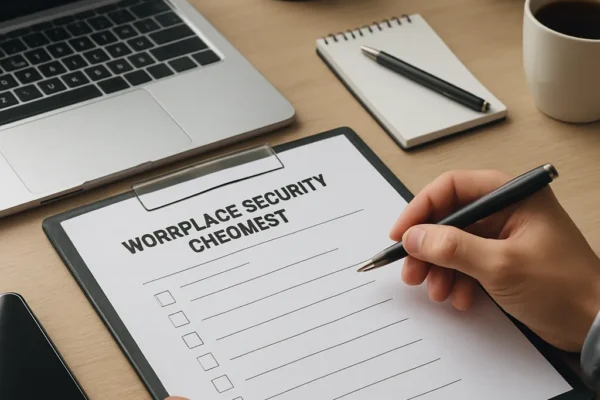
How to Develop a Workplace Security Checklist

Ensuring a secure work environment requires a systematic approach that addresses physical, digital, and procedural elements. A comprehensive workplace security checklist helps organizations minimize threats, safeguard assets, and maintain operational continuity. By focusing on risk identification, robust access management, and clear incident protocols, businesses can build a resilient security framework tailored to their unique needs. Identifying and Assessing Security Risks Before implementing any measures, it is crucial to conduct a…

Read More

How to Manage Safety in Laboratory Environments

Laboratory environments demand a careful balance between scientific innovation and steadfast safety measures. Effective management of safety not only protects personnel but also safeguards valuable assets and intellectual property. By understanding risk factors, enforcing strict protocols, and investing in comprehensive training, organizations can foster a culture of security that drives both compliance and productivity. Identifying and Assessing Risks Before implementing new measures, a thorough risk evaluation must take place. This…

Read More

How to Conduct a Fire Drill in Office Settings

Conducting a comprehensive fire drill in an office environment is a critical component of any robust safety culture. Regular drills help staff become familiar with evacuation procedures, validate the functionality of alarm and communication systems, and ensure compliance with local regulations. Effective practice empowers employees, minimizes panic, and can save lives in a real emergency scenario. Planning and Preparation A successful fire drill begins long before the alarm sounds. Detailed…

Read More

How to Secure Smart Devices in the Workplace

As organizations embrace connected technologies, the integration of a diverse array of smart devices into daily operations demands a proactive approach to business security. From IoT sensors monitoring equipment health to voice-activated assistants streamlining administrative tasks, each endpoint presents a potential entry point for cyber threats. A comprehensive strategy must combine technical safeguards, policy enforcement, and ongoing education to mitigate risk and maintain operational resilience. Understanding Device Vulnerabilities and Risk…

Read More

How to Respond to a Physical Security Breach

Reacting swiftly and effectively to a physical security breach is essential for protecting assets, personnel, and reputation. This article outlines practical strategies and detailed procedures for organizations to prepare, respond, and recover from unauthorized access or other breaches. Preparation Strategies for Physical Security Robust preparation forms the foundation of any successful response to a breach. By establishing strong protocols, continuous monitoring, and regular training, organizations can reduce both the likelihood…

Read More

How to Ensure Workplace Safety for Night Shifts

Working through the night presents unique challenges that demand careful planning and effective measures. Ensuring a safe environment for night shift employees not only protects their physical health but also promotes operational continuity and employee morale. By adopting comprehensive strategies, organizations can address potential hazards, enhance security protocols and maintain a supportive atmosphere. Safety Risk Assessment for Night Shifts A systematic risk assessment lays the foundation for all subsequent safety…

Read More

How to Implement Effective Lockdown Procedures

When a company prioritizes security and resilience, implementing comprehensive lockdown procedures becomes crucial to safeguarding employees, assets, and reputation. A carefully crafted plan ensures that teams respond swiftly and effectively during an emergency, minimizing risk and maintaining business continuity. Understanding Key Lockdown Principles Before drafting any formal plan, it’s essential to grasp the foundational elements that make a lockdown procedure successful. These building blocks include threat evaluation, resource allocation, and…

Read More

How to Handle Insider Threats Without Harming Trust

Insider threats can quietly undermine an organization’s security posture, leading to data breaches, financial losses, and reputational damage. Balancing robust protection with a culture of trust demands a nuanced approach. This article explores comprehensive strategies to detect, prevent, and respond to insider risks while maintaining a collaborative environment that empowers employees and safeguards sensitive assets. Identifying and Assessing Insider Threats Understanding Types of Insider Risks Organizations face a spectrum of…

Read More

How to Build a Security Operations Center (SOC)

Building a dedicated Security Operations Center (SOC) is a crucial step for organizations seeking to enhance their risk management and incident handling capabilities. A robust SOC serves as the nerve center of an enterprise’s security posture, combining people, processes, and technologies to detect, analyze, and respond to cyber threats in real time. This article outlines a practical roadmap to establish and evolve a SOC, focusing on business-driven imperatives and best…

Read More

How to Ensure Safety During Company Events

Organizing a company event involves more than selecting a venue and sending invitations. Ensuring the safety of attendees, staff, and assets is an essential aspect of any successful gathering. From comprehensive risk assessments to real-time monitoring, event planners must adopt a multi-layered approach that addresses every potential vulnerability. This article explores key strategies across planning, infrastructure, personnel, and technology to guarantee a secure, well-managed event experience. Risk Assessment and Planning…

Read More