How to Monitor and Control Physical Access Points

Effective management of physical entrances requires a comprehensive strategy that balances technology, process and human factors. This article explores methods to identify, secure and oversee critical access points in a business environment. By combining advanced controls with ongoing monitoring, organizations can significantly reduce vulnerabilities and maintain a higher level of overall security. 1. Mapping and Classifying Entry Points Before implementing any controls, it is essential to conduct a thorough site…

Read More

How to Evaluate Your Company’s Safety Procedures

Evaluating your company’s safety procedures is a critical step in maintaining a secure work environment and minimizing potential hazards. By understanding strengths and weaknesses in existing processes, businesses can protect employees, reduce liability, and foster a more productive culture. This guide outlines key strategies for assessing and enhancing your organization’s security protocols. Establishing Clear Safety Objectives Before diving into assessments, it’s essential to set well-defined goals. Clear objectives provide a…

Read More

The Role of Security Guards in Modern Companies

Effective physical security forms the backbone of any corporate environment, ensuring assets, employees, and data remain protected against potential threats. As companies expand their operations and face increasingly sophisticated challenges, the presence of well-trained Security Guards becomes indispensable. Their multifaceted role goes beyond simple surveillance, encompassing risk assessment, incident response, and close collaboration with technological systems. This article explores how security personnel enhance corporate resilience and maintain a safe working…

Read More

How to Protect Company Devices from Malware

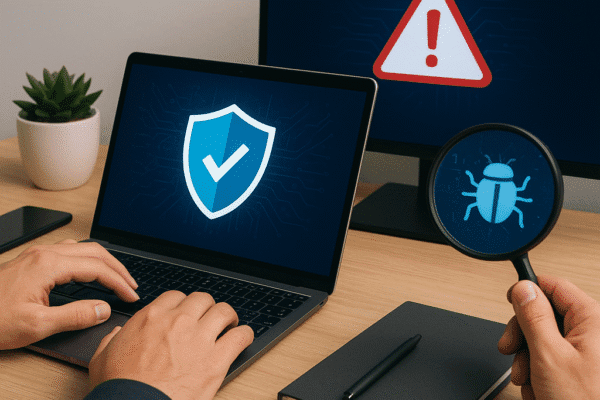
Protecting company devices from evolving digital threats requires a proactive and layered approach. An organization’s productivity, reputation, and financial stability hinge on robust defenses against malicious software. By understanding attack vectors, implementing rigorous safeguards, and preparing swift recovery protocols, businesses can significantly mitigate risks and ensure operational continuity. Identifying Emerging Malware Threats and Vulnerabilities Cybercriminals continuously refine their tactics, exploiting both technical weaknesses and human error. Effective protection begins with…

Read More

How to Handle a Data Breach: Step-by-Step Guide

Handling a data breach effectively requires a structured, strategic approach that minimizes damage, preserves trust, and ensures future resilience. This guide outlines clear, actionable steps to help organizations navigate each phase of a security incident and emerge stronger. Assessment and Immediate Actions Identify and Contain The first priority is rapid containment of unauthorized access. Assemble your incident response team and follow these critical tasks: Isolate affected systems to prevent further…

Read More

The Importance of Regular Penetration Testing

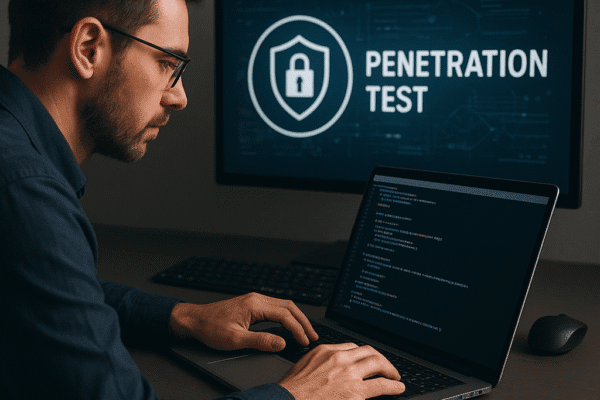
Regular penetration testing has become an essential component of any robust business security strategy. By simulating real-world cyber attacks, organizations can proactively identify and address hidden weaknesses before they turn into costly breaches. This article delves into the critical aspects of ongoing penetration testing, exploring its practical advantages, strategic implementation, and collaborative approaches to safeguard sensitive assets. Understanding Penetration Testing Penetration testing, often called “pentesting,” involves authorized attempts to exploit…

Read More

Why Every Company Needs an Incident Response Team

Establishing a reliable incident response capability is no longer optional for modern organizations. Companies face an escalating number of sophisticated cyber threats, operational disruptions, and compliance pressures. Building a dedicated team focused on rapid detection, containment, and recovery empowers businesses to navigate crises effectively, maintain stakeholder confidence, and protect valuable assets. The Role and Importance of an Incident Response Team Every organization, regardless of size or industry, should recognize the…

Read More

How to Detect and Respond to Phishing Attempts

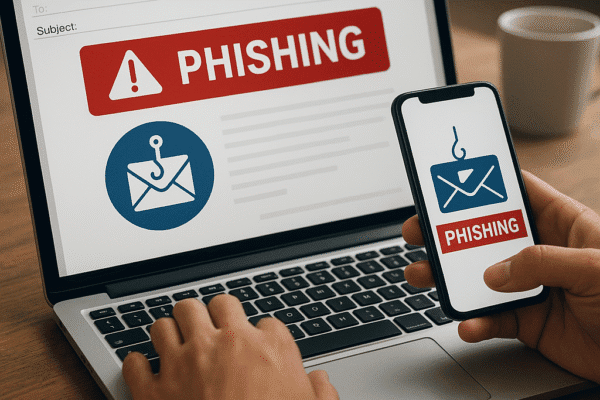
Detecting and countering phishing attempts is a critical aspect of maintaining robust business security. This article will guide you through the most common attack vectors, outline preventive measures, and describe an effective response framework. By enhancing employee awareness and deploying technical safeguards, organizations can significantly reduce the risk of data breaches and financial loss. Recognizing Phishing Techniques Phishing attacks have evolved beyond generic emails promising lottery winnings. Attackers now use…

Read More

How to Develop a Company-Wide Safety Policy

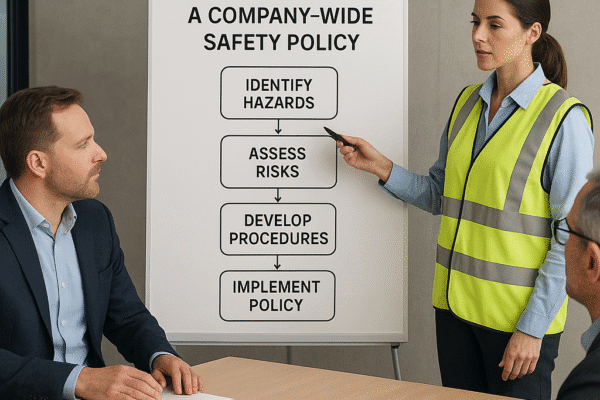
Establishing a robust company-wide safety policy is essential for safeguarding employees, assets, and reputation. A well-crafted safety framework not only minimizes the risk of accidents but also fosters a culture of responsibility and trust. This article explores key aspects of designing and implementing an effective safety policy that spans all levels of your organization. Understanding the Value of a Safety Policy Before drafting any formal policy, it’s crucial to recognize…

Read More

How to Protect Sensitive Company Data from Insider Threats

The security of company information faces unique challenges when the threat originates from within. Employees, contractors, and partners often have legitimate access to corporate systems, making it crucial to establish robust protocols that minimize risks without hindering productivity. This article outlines comprehensive methods to safeguard sensitive data from insider threats, covering policy design, technological defenses, and cultural measures. Understanding Different Types of Internal Risks Not all insider incidents stem from…

Read More