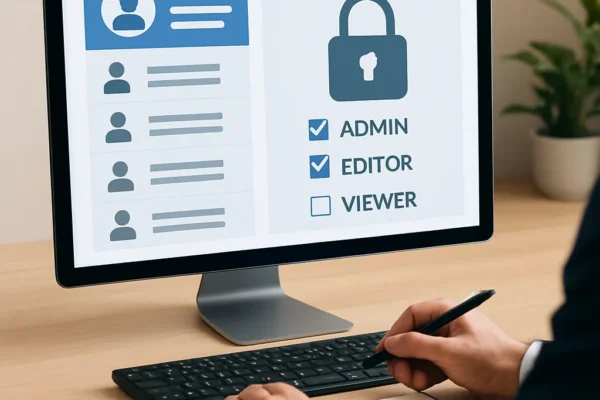
How to Manage Employee Access Privileges Properly

Effective management of employee access privileges ensures robust organizational security, minimizes insider threats, and fosters trust among clients, employees, and stakeholders. By defining clear roles, enforcing the principle of least privileges, and leveraging automated solutions, companies can protect sensitive data and comply with industry compliance requirements. This article explores strategies for establishing a sound access control framework, monitoring and audit processes, and building a security-aware culture. Understanding Access Privilege Principles…

Read More

How to Secure Company Websites Against Hacking

Securing a company website is paramount to protecting sensitive data, maintaining customer trust, and ensuring uninterrupted operations. A breach can result in significant financial loss, reputational damage, and legal consequences. By understanding common threats, implementing multi-layered defenses, and establishing a proactive response plan, organizations can bolster their digital presence against determined attackers. Understanding Website Vulnerabilities Identifying Common Attack Vectors Websites face a variety of threats, ranging from automated bots to…

Read More

How to Build a Resilient Cybersecurity Infrastructure

Building a truly resilient cybersecurity infrastructure requires more than deploying tools—it demands a strategic blend of risk assessment, robust architecture, continuous monitoring, and an empowered workforce. In this guide, we explore key pillars that enable businesses to withstand evolving threats, minimize downtime, and protect critical assets. Risk Assessment and Threat Intelligence Effective cybersecurity begins with a comprehensive risk assessment that uncovers potential gaps in your environment. By quantifying the likelihood…

Read More

How to Develop a Workplace Security Checklist

Ensuring a secure work environment requires a systematic approach that addresses physical, digital, and procedural elements. A comprehensive workplace security checklist helps organizations minimize threats, safeguard assets, and maintain operational continuity. By focusing on risk identification, robust access management, and clear incident protocols, businesses can build a resilient security framework tailored to their unique needs. Identifying and Assessing Security Risks Before implementing any measures, it is crucial to conduct a…

Read More

How to Prevent Email Spoofing and Business Email Compromise

Email remains a primary vector for cyberattacks on organizations of all sizes. Attackers exploit **email spoofing** and **Business Email Compromise** (BEC) to deceive employees, gain unauthorized access, and steal sensitive data. Strengthening your defenses against these evolving threats requires a comprehensive approach that combines technical controls, policy enforcement, and ongoing education. This article explores key strategies to help your business guard against email-based attacks, protect critical assets, and maintain stakeholder…

Read More

How to Train Staff to Recognize Security Threats

Effective staff training lies at the heart of any robust business security framework. By equipping team members with the knowledge and skills to spot potential threats, companies can significantly reduce the risk of costly incidents. This article explores practical steps to build a strong culture of awareness and continuous improvement in the field of organizational protection. Understanding Common Security Threats Before launching a training program, it’s crucial to identify which…

Read More

How to Use Automation to Improve Security Efficiency

Adopting automation within a security framework can transform how organizations monitor, detect, and respond to threats. By leveraging advanced tools and processes, businesses can achieve unparalleled efficiency while minimizing human error and resource consumption. This article explores practical methods for integrating automation into security operations, examines leading technologies, and addresses common implementation challenges. Strategic Integration of Automation in Business Security Effective security automation begins with a clear strategy aligned to…

Read More

How to Prevent Phishing in Corporate Emails

In many organizations, the email inbox remains the frontline for both collaboration and attack. With every employee relying on electronic messages to exchange sensitive data, the risk of malicious actors exploiting this channel has never been higher. This article explores practical strategies to secure corporate emails, minimize exposure to social engineering exploits, and reinforce overall business resilience against evolving cyber threats. Understanding Common Threats in Corporate Email Communications Before implementing…

Read More

The Future of AI in Cyber Defense for Businesses

Advancements in artificial intelligence are revolutionizing how organizations defend against cyberattacks. By integrating adaptive algorithms with robust security frameworks, businesses can anticipate, detect, and mitigate digital threats more effectively than ever before. Overview of AI-driven Cyber Defense As enterprises expand their digital footprint, the complexity of the threat landscape grows exponentially. Traditional security tools often struggle to keep pace with sophisticated adversaries. AI-driven solutions leverage machine learning models to analyze…

Read More

How to Create a Business Continuity Plan After a Security Breach

Crafting a robust business continuity plan in the aftermath of a security breach is critical for safeguarding your organization’s future. A well-structured plan ensures you can swiftly respond to incidents, minimize operational downtime, and maintain stakeholder trust. This guide explores actionable steps to help you rebuild stronger defenses and establish a resilient framework for ongoing protection. Understanding the Impact of a Security Breach Before embarking on the planning process, it…

Read More