Securing company vehicles and managing logistics effectively are critical components of a comprehensive business security strategy. Organizations must safeguard assets in transit, protect sensitive cargo, and maintain the integrity of supply chains. By adopting a multi-layered approach that addresses physical measures, advanced technology, personnel training, and policy development, businesses can significantly reduce risks associated with theft, tampering, and operational disruptions.
Assessment of Risks and Vulnerabilities
Before implementing any security solution, a thorough risk assessment is essential. Companies should inventory vehicle fleets, map high-risk routes, and identify potential threats ranging from opportunistic theft to sophisticated organized crime. Engaging external security consultants or collaborating with law enforcement agencies can provide valuable insights into regional crime trends and emerging vulnerabilities in logistics networks.
Fleet Profiling and Route Analysis
Fleet profiling involves categorizing vehicles by value, cargo sensitivity, and geographic operation zones. Route analysis then examines factors such as:
- High-crime areas and theft hotspots
- Infrastructure quality, including road conditions and secure parking facilities
- Border crossings, checkpoints, and customs exposure
- Frequency of unscheduled stops or diversions
By combining fleet profiling with real-world data, organizations can prioritize resources for the most at-risk segments of their logistics chain.
Threat Modeling and Vulnerability Scans
Conducting vulnerability scans of parking yards, loading docks, and maintenance garages identifies weak points in perimeter defenses and access-control systems. Threat modeling workshops can help stakeholders visualize potential attack scenarios—such as vehicle hijacking, cargo tampering, or insider collusion—and design countermeasures accordingly.
Implementing Physical Security Measures
Robust physical controls form the first line of defense in securing vehicles and logistics hubs. These measures deter criminals, delay unauthorized access, and facilitate rapid response in case of incidents.
Secure Parking and Access Control
Company vehicles should be stored in secure parking lots equipped with the following features:
- Fencing topped with anti-climb devices
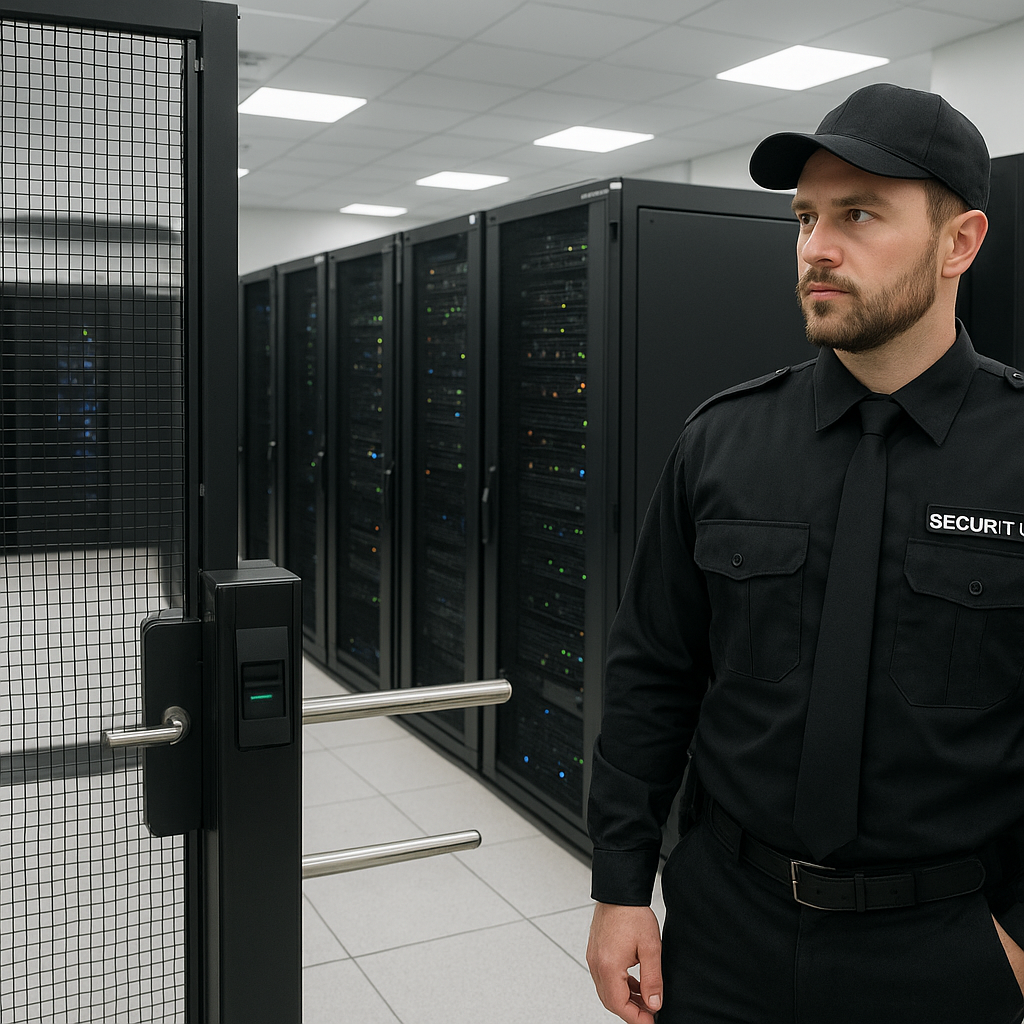
- Controlled entrance points with security guards or card-based entry systems
- Illuminated perimeter lighting and motion-activated spotlights
- Video surveillance cameras with night-vision capability
- Alarm systems integrated with local authorities or private monitoring centers
Access control policies must enforce strict visitor logs, require pre-authorized access lists, and issue time-limited credentials for third-party personnel.
Vehicle Immobilization and Physical Barriers
In addition to electronic deterrents, physical barriers such as wheel locks, steering wheel clamps, and heavy-duty chained locks can prevent unauthorized vehicle movement. Immobilizers and kill switches—installed under tamper-evident covers—provide an additional layer of protection by disabling the engine if an unauthorized start is attempted.
Cargo Sealing and Container Security
For businesses that transport high-value or sensitive goods, tamper-evident seals and ISO-certified locks on shipping containers help detect unauthorized access. Periodic seal inspections during transit, documented with time-stamped photographs or digital logs, maintain the integrity of cargo and provide audit trails for compliance purposes.
Leveraging Technology for Vehicle and Cargo Protection
Modern security systems harness advanced technologies to provide real-time visibility, automate alerts, and support data-driven decision making. Integrating these solutions into fleet management processes enhances reliability and minimizes response times in emergency situations.
GPS Tracking and Geofencing
Installing GPS tracking devices on each vehicle enables continuous monitoring of location, speed, and route adherence. Geofencing creates virtual boundaries around designated safe zones, triggering instant notifications if a vehicle deviates from its authorized path. Such alerts empower security teams to investigate anomalies without delaying the entire fleet.
Video Telematics and Driver Monitoring
Dashcams and in-cab cameras record driver behavior and external conditions, capturing evidence in case of accidents, cargo theft attempts, or procedural violations. Video telematics platforms analyze footage using artificial intelligence to detect harsh braking, sudden lane changes, or prolonged idling—indicators of potential security or safety issues.
IoT Sensors and Environmental Monitoring
For temperature-sensitive or hazardous materials, Internet of Things (IoT) sensors track environmental parameters such as temperature, humidity, and vibration. Automated alerts notify logistics managers when readings exceed predefined thresholds, enabling prompt corrective action to protect perishable or dangerous goods.
Secure Communications and Data Encryption
Reliable communication channels are crucial for coordination between drivers, dispatchers, and security personnel. Implementing encrypted messaging apps and two-way radio systems reduces the risk of intercepted transmissions. Vehicle onboard diagnostics (OBD) data and telematics feeds should be encrypted at rest and in transit to maintain compliance with data protection regulations.
Training Personnel and Developing Policies
Even the most sophisticated security infrastructure can fail without well-trained personnel and robust policies. Establishing a culture of vigilance and continuous improvement ensures that every team member understands their role in protecting assets and responding to incidents.
Driver Security Awareness Programs
Drivers represent the front line of defense. Comprehensive training should cover:
- Recognizing suspicious behavior and reporting protocols
- Safe parking practices and route planning to avoid high-risk zones
- Proper use of immobilizers, locking mechanisms, and cargo seals
- Emergency procedures in case of hijacking or other security breaches
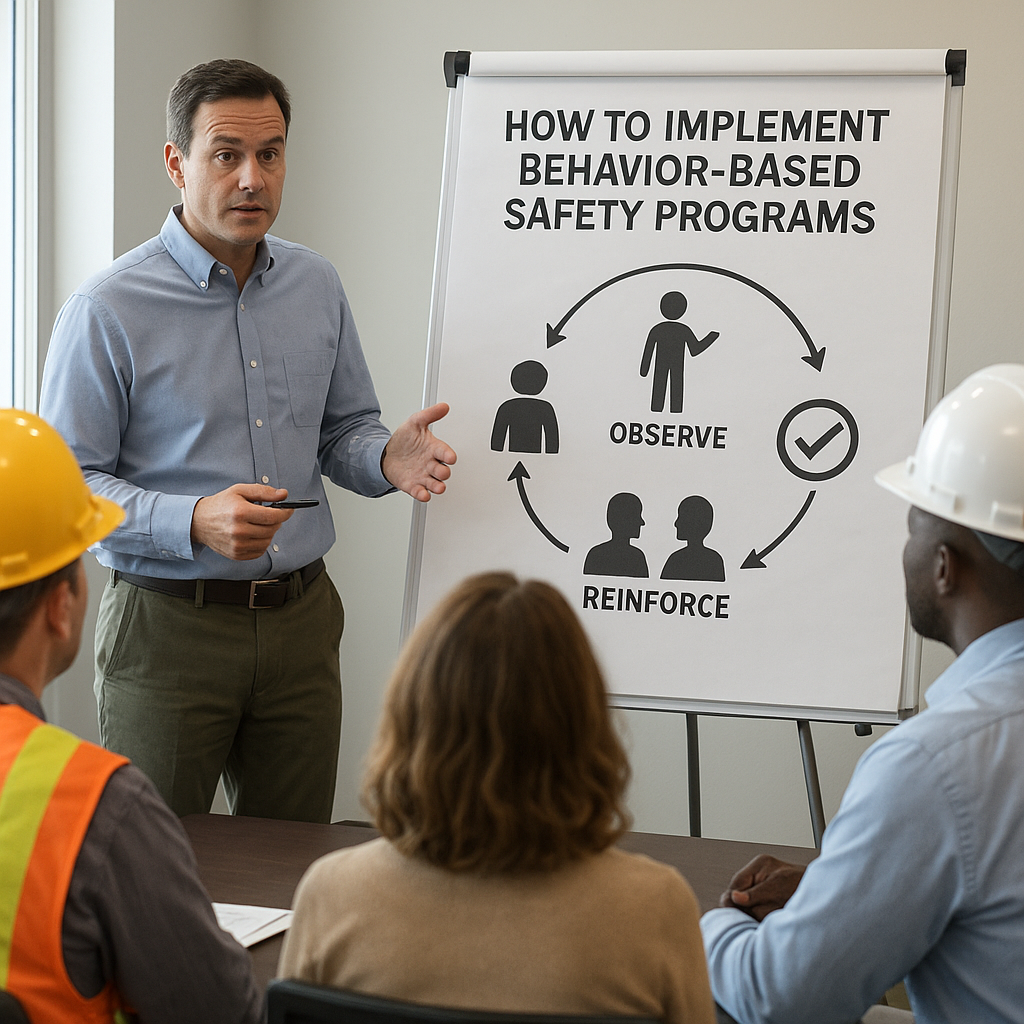
Regular refresher courses and scenario-based drills reinforce best practices and empower drivers to act decisively under pressure.
Standard Operating Procedures and Incident Response
Documented standard operating procedures (SOPs) should define roles, responsibilities, and escalation paths for security incidents. An incident response plan outlines steps for:
- Immediate notification of internal security teams and law enforcement
- Vehicle immobilization or remote engine shutdown, if available
- Preservation of evidence, including video footage and sensor logs
- Communication with customers regarding delays or compromised cargo
- Post-incident review to identify failures and implement corrective actions
Maintenance and Continuous Improvement
A preventive maintenance schedule ensures that locks, alarms, cameras, and tracking devices function optimally. Regular audits and performance metrics—such as incident frequency, response times, and cost of losses—provide the data needed to refine security measures over time. Collaboration between security, operations, and IT teams fosters an environment of continuous improvement.
Vendor and Third-Party Management
Logistics chains often rely on external carriers, maintenance providers, and warehousing partners. Vetting third-party vendors for security certifications, background checks, and insurance coverage is critical. Contracts should include clauses requiring adherence to company security standards, periodic audits, and immediate reporting of any breaches.
Legal and Regulatory Compliance
Companies must stay abreast of local, national, and international regulations governing the transport of goods—especially hazardous or high-value items. Compliance with customs requirements, transportation security administration directives, and data protection laws not only avoids penalties but also enhances the organization’s reputation for reliability.
By integrating thorough risk assessments, robust physical controls, advanced technologies, and comprehensive training, businesses can create a resilient security framework for their vehicles and logistics operations. This holistic approach mitigates threats, optimizes operational efficiency, and safeguards reputation in an increasingly complex global marketplace.