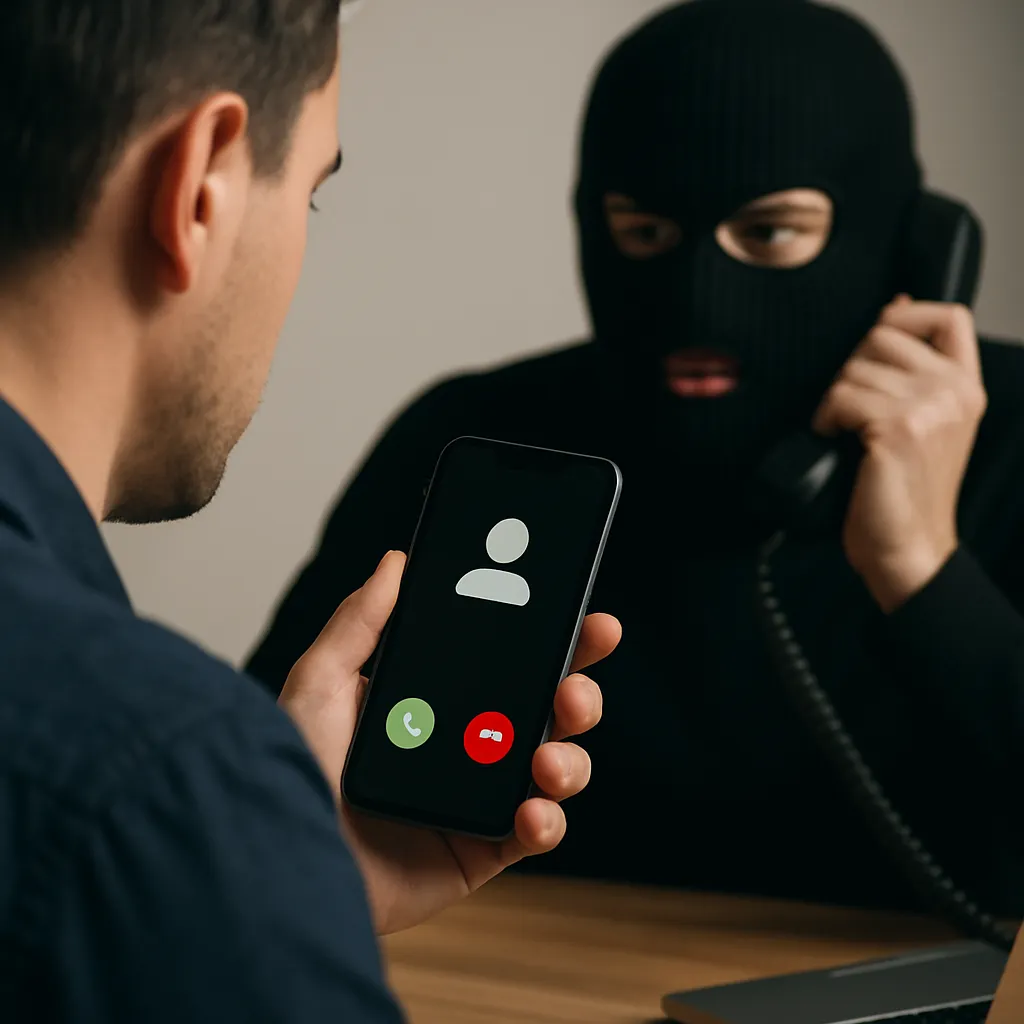
Organizations face a growing wave of voice-based scams that exploit human trust and technological gaps. Effective defenses require a holistic approach combining policy, process, and technology. This article explores strategies to safeguard your company against vishing attacks, ensuring resilient operations and protected assets.
Understanding Vishing and Its Business Impact
Voice phishing, commonly known as vishing, leverages deceptive calls to trick employees into divulging sensitive data or authorizing fraudulent transactions. Attackers often pose as executives, IT support, or trusted partners, manipulating victims through social engineering techniques. A successful vishing incident can result in severe financial losses, regulatory fines, and reputational damage.
Key characteristics of a vishing attempt include:
- Urgent demands for account credentials or fund transfers
- Caller ID spoofing to mimic legitimate numbers
- Requests for one-time passwords or verification codes
- Technical jargon to confuse or intimidate recipients
By understanding these indicators, businesses can better prevent unauthorized access and maintain operational continuity.
Implementing Robust Authentication and Verification Protocols
Strong identity verification is the cornerstone of any vishing defense. Relying solely on caller ID or easily spoofed credentials leaves critical systems exposed. Integrate multi-factor authentication (MFA) across all sensitive applications and communication channels. Common MFA factors include:
- Knowledge factors (passwords, security questions)
- Possession factors (hardware tokens, mobile apps)
- Inherence factors (biometrics such as fingerprint or voice biometrics)
Additionally, establish verification protocols for high-value transactions. For example, require callback procedures to pre-registered numbers or second-party approvals. Documented steps for confirming identities and authorizations create an auditable trail and deter malicious actors.
Utilize end-to-end encryption when transmitting sensitive data. Encryption ensures callers cannot intercept or manipulate information, closing a critical vulnerability in voice and unified communications platforms.
Employee Awareness and Ongoing Training
Human error remains one of the primary enablers of vishing attacks. A workforce empowered with knowledge can serve as a frontline defense. Develop a comprehensive employee training program covering:
- Recognition of suspicious call patterns and social engineering cues
- Procedures for verifying caller identity, including callback rules
- Reporting processes for suspected fraud or unusual requests
- Periodic simulated exercises to test readiness
Encourage a culture of vigilance by sharing recent incident case studies and success stories where staff thwarted an attack. Regular testing and refresher sessions help reinforce best practices and keep risk awareness top of mind.
Leveraging Advanced Security Technologies
Technology solutions can automate the detection and mitigation of vishing attempts at scale. Key tools include:
- Call analytics platforms that flag anomalous call volumes, unusual geo-locations, or repeated failed authentication attempts
- Intelligent spam filters and blacklists that block known scam numbers before they reach employees
- Interactive voice response (IVR) systems with built-in challenge questions and authentication layers
- Machine learning models trained on voice patterns and call metadata to identify high-risk interactions
Integrate these systems with your incident response workflows to enable real-time alerts and automated containment actions. Continuous monitoring and data-driven insights will refine detection accuracy and reduce false positives over time.
Collaborating with Telecom Providers and External Partners
Effective vishing defense extends beyond internal controls. Establish partnerships with telecom carriers, VoIP service providers, and cybersecurity vendors. Key collaboration points include:
- Implementing STIR/SHAKEN frameworks to authenticate caller identity at the network level
- Sharing threat intelligence on emerging scam numbers, tactics, and adversary profiles
- Coordinating rapid takedown of spoofed or malicious phone lines
- Engaging in industry information-sharing communities to stay ahead of evolving threats
Maintaining open communication channels with external stakeholders ensures a coordinated defense posture and faster remediation when new vishing campaigns emerge.
Building a Resilient Security Culture
Protection against voice phishing is not a one-time project but a continuous journey. Embed security into everyday business processes and decision-making. Leadership endorsement, combined with transparent policies and measurable key performance indicators (KPIs), drives accountability and sustained improvement. By unifying policy, people, and technology, organizations can minimize exposure to vishing attacks and uphold stakeholder trust.


