How to Secure APIs in Business Applications

Securing APIs in modern business applications is critical to protect sensitive data, maintain system integrity, and uphold customer trust. With the rise of cloud services and microservices, APIs serve as the backbone of digital ecosystems, enabling seamless integration between internal systems and external partners. However, this connectivity also introduces potential vulnerability points that can be exploited by malicious actors. Implementing a robust API security strategy requires a multifaceted approach, covering…

Read More

How to Prevent Cyberattacks on Critical Infrastructure

Protecting vital systems from malicious actors requires a multifaceted approach that combines strategic planning, advanced technology, and continuous vigilance. Organizations responsible for power grids, water treatment facilities, transportation networks, and other critical infrastructure must prioritize proactive defenses to ensure uninterrupted services and safeguard public safety. Understanding the Threat Landscape Identifying Key Threat Actors Malicious campaigns targeting essential services are often orchestrated by sophisticated groups, ranging from state-sponsored teams to cybercriminal…

Read More

How to Implement a Robust Access Management Policy

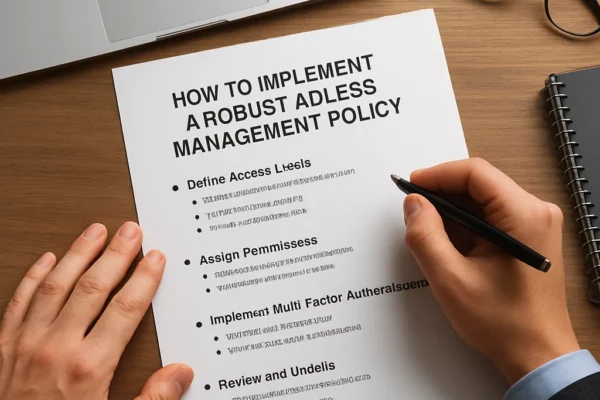
Implementing a comprehensive access management policy is crucial for any organization aiming to safeguard its assets and maintain operational integrity. This article explores the essential steps and best practices to create a robust framework, ensuring that only authorized individuals can access sensitive resources while maintaining flexibility and scalability. Policy Framework and Governance Establishing a solid foundation begins with defining clear objectives and assigning responsibilities. An effective access management policy should…

Read More

How to Prevent Email Spoofing and Business Email Compromise

Email remains a primary vector for cyberattacks on organizations of all sizes. Attackers exploit **email spoofing** and **Business Email Compromise** (BEC) to deceive employees, gain unauthorized access, and steal sensitive data. Strengthening your defenses against these evolving threats requires a comprehensive approach that combines technical controls, policy enforcement, and ongoing education. This article explores key strategies to help your business guard against email-based attacks, protect critical assets, and maintain stakeholder…

Read More

How to Safely Manage Security Footage and Logs

Effective management of security footage and logs is crucial for any organization seeking to protect assets, meet regulatory demands, and maintain operational efficiency. By adopting modern practices and technologies, businesses can strengthen their overall security posture while ensuring data remains accurate, reliable, and accessible during investigations. This article explores key strategies for secure storage, robust access controls, legal compliance, and scalable monitoring systems that empower organizations to handle sensitive information…

Read More

How to Prevent Phishing in Corporate Emails

In many organizations, the email inbox remains the frontline for both collaboration and attack. With every employee relying on electronic messages to exchange sensitive data, the risk of malicious actors exploiting this channel has never been higher. This article explores practical strategies to secure corporate emails, minimize exposure to social engineering exploits, and reinforce overall business resilience against evolving cyber threats. Understanding Common Threats in Corporate Email Communications Before implementing…

Read More

How to Safeguard Your Company from Deepfake Scams

Businesses worldwide face a growing menace as sophisticated synthetic media emerge to undermine trust, manipulate decisions, and steal assets. This guide delves into practical steps to protect corporate environments from deepfake scams, equipping leaders with insights to strengthen defenses and maintain operational integrity. Understanding the Threat of Deepfake Scams Evolution of Deepfake Technology Recent advances in neural networks and generative adversarial models have enabled fraudsters to create highly realistic audio…

Read More

How to Prevent Data Leaks from Misconfigured Cloud Services

Effective protection against **data leaks** resulting from **misconfigured** cloud services hinges on a comprehensive approach that combines robust governance, technical best practices, and ongoing vigilance. Organizations that invest in securing their cloud environments not only safeguard sensitive information but also preserve customer trust and regulatory compliance. Understanding the Risks of Misconfigured Cloud Services When cloud environments are left improperly configured, businesses expose themselves to a range of threats. Attackers actively…

Read More

How to Protect Mobile Devices Used for Work

Protecting mobile devices in a business environment requires a comprehensive approach that addresses configuration, data security, and continuous oversight. Mobile endpoints often carry sensitive corporate data, making them prime targets for cyberattacks, unauthorized access, and data leakage. Implementing robust measures can significantly reduce risks related to device loss, unpatched software, or malicious applications. The following sections outline essential strategies for establishing a secure mobile ecosystem. Secure Device Setup Device Configuration…

Read More

How to Prevent Unauthorized Access to Sensitive Systems

Protecting critical infrastructure from unauthorized intrusions demands a multi-layered strategy that blends robust security measures, vigilant oversight, and continuous improvement. By addressing both technical and organizational dimensions, businesses can fortify sensitive systems against ever-evolving threats and reduce the likelihood of costly breaches. Enhancing Authentication and Authorization Multi-Factor Authentication Implementing multi-factor authentication (MFA) is one of the most effective tactics to validate user identities. Requiring a combination of something the user…

Read More