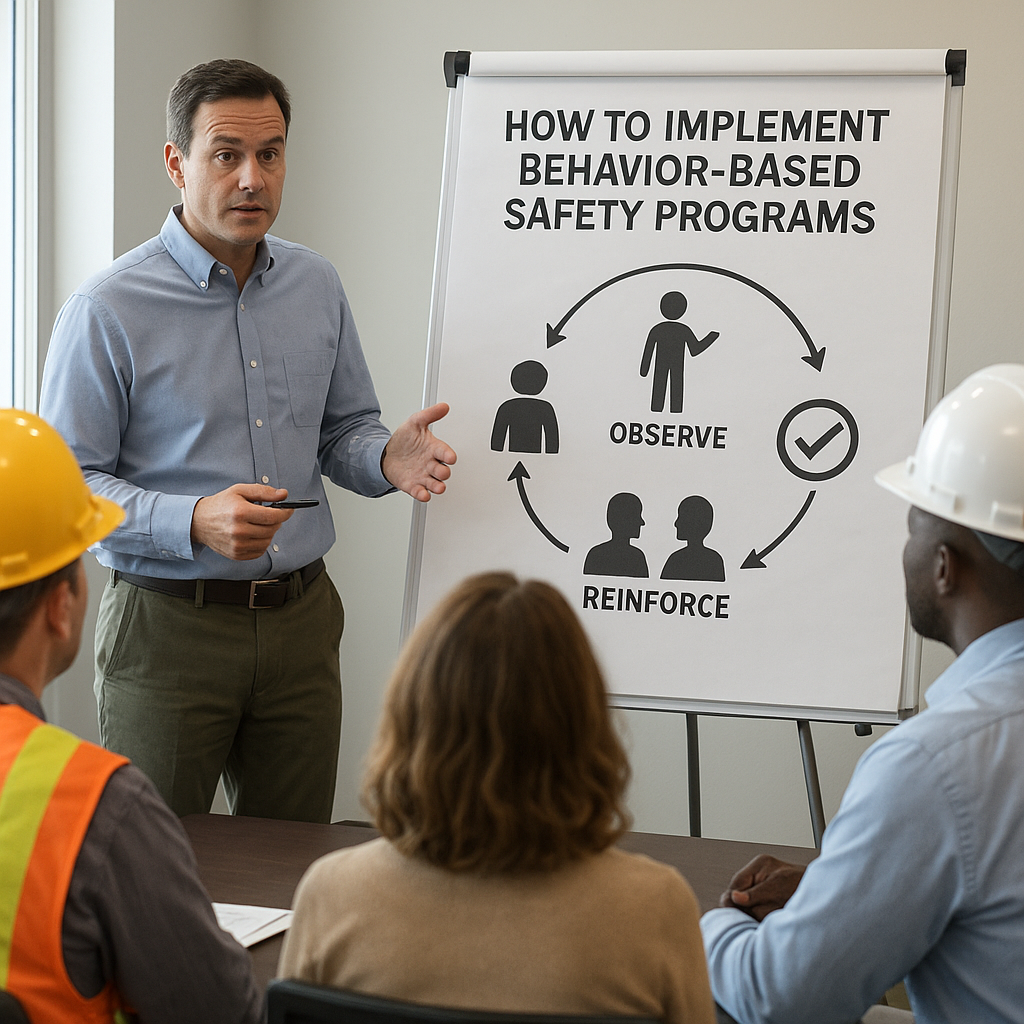
Evaluating your company’s safety procedures is a critical step in maintaining a secure work environment and minimizing potential hazards. By understanding strengths and weaknesses in existing processes, businesses can protect employees, reduce liability, and foster a more productive culture. This guide outlines key strategies for assessing and enhancing your organization’s security protocols.
Establishing Clear Safety Objectives
Before diving into assessments, it’s essential to set well-defined goals. Clear objectives provide a benchmark against which you can measure success and identify areas for improvement. Consider the following steps:
- Define desired outcomes: Articulate what “safe” looks like for your organization, including target incident reduction rates and compliance standards.
- Align with business strategy: Ensure safety goals support broader company initiatives, such as growth plans or new facility openings.
- Engage stakeholders: Involve management, supervisors, and frontline employees to gain buy-in and valuable insights during goal-setting.
- Document expectations: Formalize objectives in your official policies and communicate them across all departments.
Conducting a Comprehensive Risk Assessment
An effective evaluation begins with a thorough analysis of potential hazards. A risk assessment pinpoints vulnerabilities in work processes, equipment, and environments.
Identifying Hazards
- On-site inspections: Walk through facilities to spot physical dangers such as unstable structures, exposed wiring, or slippery surfaces.
- Process reviews: Examine operational workflows for ergonomic strains, chemical exposures, or repetitive stress factors.
- Historical data analysis: Study past incident reports to recognize recurring patterns and high-risk activities.
Assessing Likelihood and Impact
- Probability ratings: Assign scores based on how often a hazard might occur under current conditions.
- Consequence evaluation: Gauge potential severity, from minor injuries to major financial losses or reputational harm.
- Risk matrix creation: Combine likelihood and impact scores to prioritize which hazards demand immediate control measures.
Implementing Control Measures
After ranking risks, deploy targeted actions such as engineering controls, administrative policies, and personal protective equipment. Document each intervention in your official procedures manual and track completion dates.
Implementing Compliance and Audit Processes
Regulatory compliance and systematic audits ensure that safety procedures are not only in place but also effective over time.
Regulatory Requirements
- Stay updated: Monitor local, national, and industry-specific regulations to adapt your policies accordingly.
- Gap analysis: Compare your current procedures against legal standards and best practices to identify shortfalls.
- Documentation: Maintain records of training certificates, inspection checklists, and incident logs to demonstrate compliance.
Internal Audits
- Regular schedule: Plan audits quarterly or biannually to maintain ongoing vigilance.
- Cross-functional teams: Involve members from HR, operations, and safety to get diverse perspectives.
- Checklist-driven reviews: Use a standardized template to examine adherence to policies, training completion, and equipment maintenance logs.
External Audits
- Third-party partners: Hire accredited safety consultants or certification bodies to provide unbiased feedback.
- Benchmarking: Compare your performance against similar organizations to understand competitive standings.
- Action plans: Develop corrective measures for any non-conformances uncovered and assign responsible parties for implementation.
Monitoring Performance Metrics and Incident Response
Consistent tracking of key indicators reveals whether your safety framework is working as intended.
Selecting Relevant Metrics
- Leading indicators: Measure proactive activities such as number of safety trainings completed, near-miss reports submitted, and safety meetings held.
- Lagging indicators: Track reactive data like recordable incidents, lost workdays, and workers’ compensation claims.
- Custom KPIs: Tailor metrics to your industry—manufacturing might focus on machine downtime, whereas an office environment could monitor ergonomic injury rates.
Data Collection and Analysis
- Digital tools: Utilize software solutions to automate data gathering, trend analysis, and dashboard reporting.
- Employee feedback: Conduct surveys and suggestion forums to capture frontline observations not evident in hard data.
- Regular reviews: Hold monthly or quarterly safety committee meetings to discuss findings and adjust strategies.
Incident Response Planning
- Clear protocols: Define immediate actions, notification chains, and investigation procedures when an incident occurs.
- Root cause analysis: Apply methodologies such as the “5 Whys” or fault-tree analysis to uncover underlying issues.
- Corrective actions: Assign responsibilities and timelines for remediation steps, then follow up to confirm closure.
Fostering a Culture of Continuous Improvement
A robust safety program thrives on ongoing learning and adaptation. Encourage staff to take ownership of security efforts at every level.
Training and Development
- Customized modules: Design training sessions relevant to specific roles—warehouse staff need different instruction than IT professionals.
- Hands-on drills: Simulate emergency scenarios like evacuations, lockdowns, or spill containment to reinforce readiness.
- Refresher courses: Schedule annual or semi-annual update sessions to keep knowledge current and address policy changes.
Employee Engagement
- Safety champions: Appoint volunteers in each department to promote awareness and gather frontline input.
- Recognition programs: Reward teams or individuals for proactive hazard reporting, innovative safety ideas, or sustained compliance records.
- Open communication: Maintain anonymous reporting channels and encourage candid discussions about near misses or hazards.
Continuous Evaluation
Regularly revisit your objectives, risk assessments, and audit results. Compare current metrics against historical baselines to identify trends. Adjust controls, update training materials, and refine policies to ensure that your safety program evolves in step with operational changes, emerging threats, and regulatory developments.