Operations in a manufacturing setting demand a proactive stance toward safety to protect personnel, equipment, and the company’s reputation. A multi-faceted approach combines human factors, technical measures, and ongoing evaluation to build a resilient safety framework. The following sections explore essential strategies for achieving a secure industrial environment.
Employee Training and Engagement
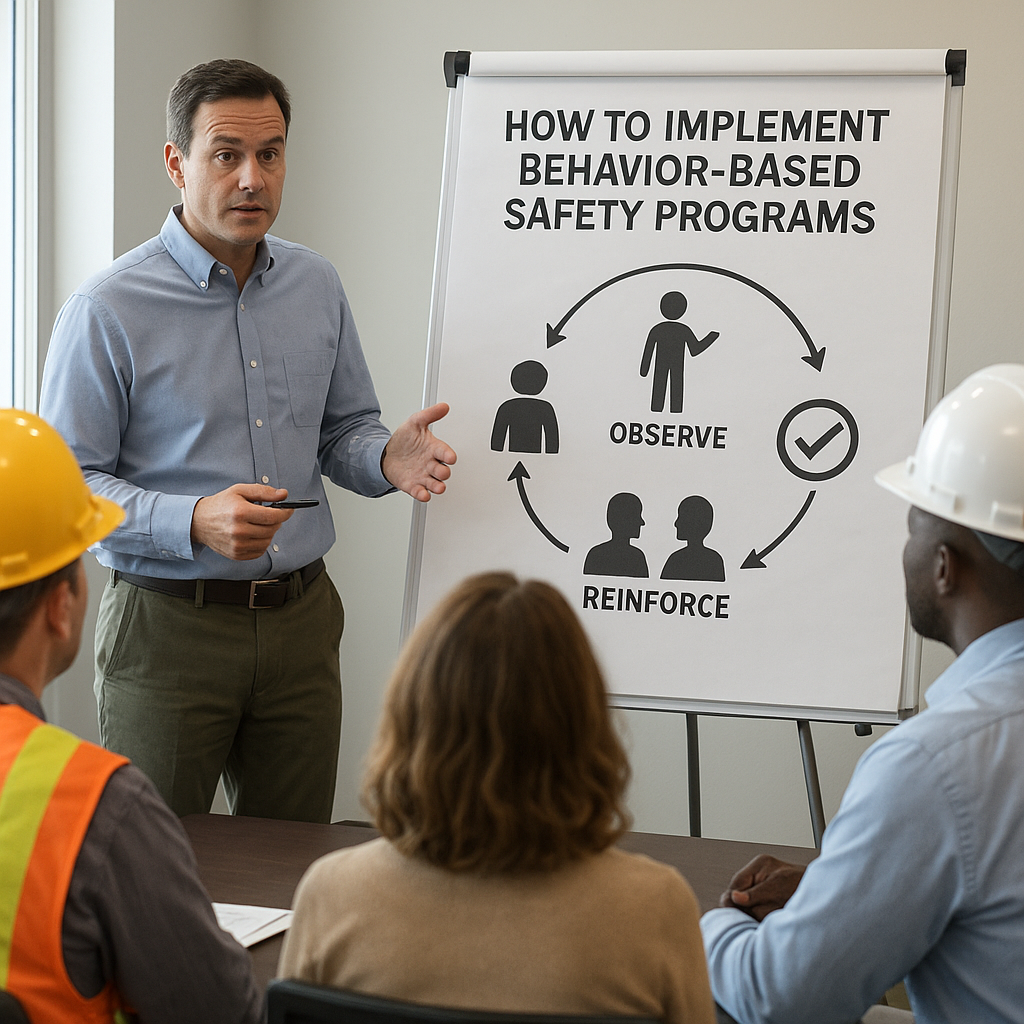
Empowering workers with the right knowledge and fostering a culture of shared responsibility are foundational steps. Effective training programs help employees identify hazards, apply correct procedures, and respond to incidents swiftly.
Designing Comprehensive Onboarding
New hires should undergo a structured orientation that covers:
- Company safety protocols and emergency procedures
- Use of personal protective equipment (PPE) appropriate for specific tasks
- Reporting channels for hazards, near misses, and incidents
- Hands-on practice with machinery under supervision
Ongoing Skills Development
To sustain a high level of competence:
- Schedule periodic refresher courses on forklift operation, lockout/tagout, and chemical handling.
- Incorporate scenario-based drills simulating real-life emergency situations.
- Use e-learning modules to reinforce processes and share updates on new standards.
Engaging Workers in Safety Initiatives
Active involvement turns passive observers into safety champions:
- Establish a safety committee with cross-functional membership.
- Encourage employees to submit improvement ideas and reward successful proposals.
- Display performance metrics on notice boards to promote healthy competition.
Risk Assessment and Compliance
Identifying potential threats is the first step in risk management. A structured assessment ensures that resources are prioritized effectively.
Conducting Thorough Hazard Analysis
Use methodologies such as HAZOP (Hazard and Operability Study) or FMEA (Failure Mode and Effects Analysis) to:
- Map out every stage of production and pinpoint possible failure points.
- Evaluate the probability and severity of each hazard.
- Document corrective actions and assign accountability.
Ensuring Regulatory Adherence
Compliance with local, national, and industry-specific regulations is non-negotiable. Key steps include:
- Maintaining an up-to-date database of relevant standards (OSHA, ISO 45001, etc.).
- Scheduling regular internal and external audit cycles.
- Implementing corrective action plans promptly when non-conformities arise.
Risk Control Hierarchy
Follow the established hierarchy to mitigate risks in order of effectiveness:
- Elimination – remove the hazard entirely where possible.
- Substitution – replace dangerous materials or processes with safer alternatives.
- Engineering Controls – install guards, ventilation, and equipment interlocks.
- Administrative Controls – adjust work schedules, introduce standard operating procedures (SOPs).
- PPE – provide gloves, helmets, eye protection, and respiratory gear as a last line of defense.
Equipment Maintenance and Technical Controls
Proper upkeep of machinery and integration of technical safeguards minimize downtime and prevent accidents caused by mechanical failure or operator error.
Preventive and Predictive Maintenance
Develop a maintenance schedule based on manufacturer recommendations and operational data:
- Perform routine inspections on motors, belts, and hydraulic systems.
- Use vibration analysis, thermal imaging, and oil sampling to predict component degradation.
- Log maintenance activities in a computerized system to track trends and plan overhauls.
Machine Safeguarding
Implement engineering controls to reduce exposure to moving parts:
- Install fixed and interlocked guards on pinch points and cutters.
- Use light curtains, pressure mats, and two-hand controls to prevent accidental startups.
- Ensure emergency stop buttons are clearly marked and tested regularly.
Automation and Integration
Leveraging automation can enhance both productivity and safety:
- Deploy robotics for repetitive or dangerous tasks, reducing manual handling risks.
- Integrate programmable logic controllers (PLCs) to enforce compliance with operational limits.
- Implement real-time monitoring systems that trigger alerts when parameters exceed safe thresholds.
Surveillance, Monitoring, and Reporting
Continuous oversight ensures that safety measures remain effective and that emerging issues are addressed promptly. A robust reporting system closes the feedback loop.
Visual and Digital Surveillance
Cameras and sensors play a pivotal role:
- Deploy CCTV to cover high-risk zones such as loading docks and chemical storage areas.
- Use IoT sensors to measure temperature, humidity, and gas levels in real-time.
- Analyze video footage and sensor data with AI tools to detect unsafe behaviors or anomalies.
Incident Reporting and Investigation
A transparent reporting culture speeds up the resolution of safety issues:
- Provide multiple channels for reporting, including digital forms, hotlines, and mobile apps.
- Train supervisors to conduct root-cause analyses and document findings thoroughly.
- Share lessons learned in toolbox talks to prevent recurrence.
Performance Metrics and Continuous Improvement
Key performance indicators (KPIs) help track progress and justify investments:
- Record near-miss frequency, lost-time incident rates, and risk reduction percentages.
- Review safety meeting attendance and training completion rates.
- Benchmark against industry peers to identify gaps and set ambitious goals.
Maintaining high safety standards in manufacturing necessitates ongoing vigilance, dedicated leadership, and investment in both human and technical resources. By integrating thorough training, systematic risk assessment, diligent equipment maintenance, and comprehensive monitoring, organizations can cultivate a resilient environment where accidents are minimized and productivity thrives.