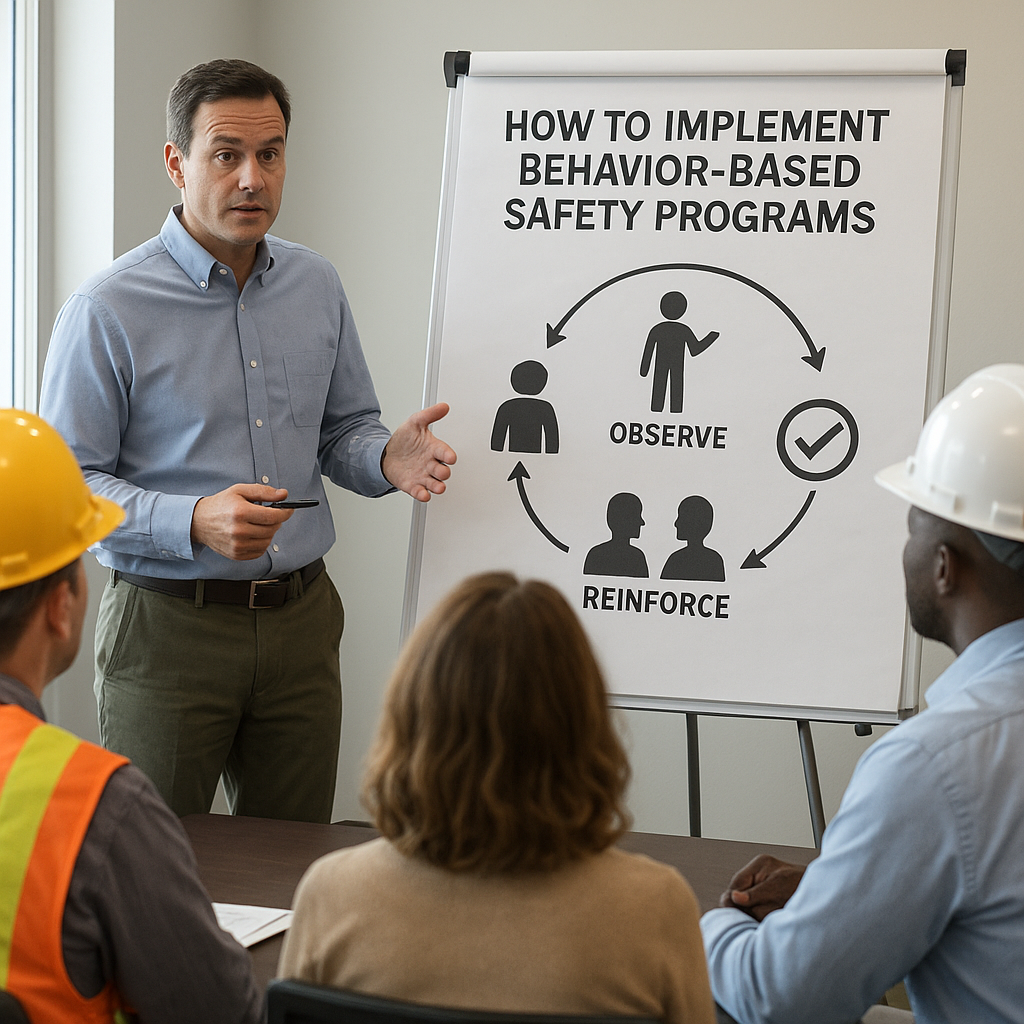
Establishing a robust company-wide safety policy is essential for safeguarding employees, assets, and reputation. A well-crafted safety framework not only minimizes the risk of accidents but also fosters a culture of responsibility and trust. This article explores key aspects of designing and implementing an effective safety policy that spans all levels of your organization.
Understanding the Value of a Safety Policy
Before drafting any formal policy, it’s crucial to recognize its strategic significance. A comprehensive safety policy serves as the cornerstone for consistent practices across departments. By defining roles, processes, and expectations, your organization can achieve:
- Compliance with legal regulations and industry standards
- Enhanced employee morale and retention
- Reduced downtime due to incidents or investigations
- Clear guidelines for incident response and reporting
Investing in a unified safety framework communicates to all stakeholders—from executives to frontline staff—that you prioritize well-being and operational integrity.
Key Components of a Safety Policy
A thorough safety policy typically includes several core elements. These ensure your organization maintains consistency and accountability when faced with potential hazards.
1. Purpose and Scope
Outline the primary objectives of the policy and identify which locations, job functions, and scenarios it covers. Clarifying the scope prevents ambiguities and ensures everyone understands their obligations.
2. Roles and Responsibilities
Define the duties of management, supervisors, and employees, such as:
- Senior leadership: Approval and resource allocation
- Safety officers: Conducting risk assessments and audits
- Supervisors: Enforcing guidelines and reporting hazards
- Employees: Following procedures and reporting unsafe conditions
3. Hazard Identification and Control
Detail the process for identifying, evaluating, and mitigating risks. Use a hierarchy of controls—elimination, substitution, engineering, administrative measures, and personal protective equipment—to guide decision-making.
4. Training and Communication
An organization can only adhere to its policy if employees know what’s expected. Document training requirements, delivery methods, and frequency. Emphasize the importance of ongoing communication channels—such as safety meetings, bulletin boards, and digital platforms—for updates and feedback.
5. Incident Reporting and Investigation
Clarify the steps for reporting injuries, near misses, and property damage. Establish standardized forms and timelines. Outline how investigations are conducted, root causes identified, and corrective actions tracked.
6. Performance Monitoring and Review
Set measurable targets and key performance indicators (KPIs), such as incident rates or audit scores. Regularly review results and revise the policy to reflect evolving regulations and operational changes. This continual review process ensures the policy remains relevant and effective.
Developing the Policy: A Step-by-Step Approach
Creating a safety policy requires collaboration, research, and strategic planning. Below is a structured roadmap to guide your efforts.
Step 1: Form a Safety Committee
Assemble representatives from various departments—operations, human resources, legal, and facilities. This committee will coordinate policy development, gather input, and champion implementation across the company.
Step 2: Conduct a Baseline Assessment
Perform a thorough audit of existing safety practices, regulatory requirements, and past incident data. Identify gaps and prioritize the most critical areas for improvement. Use tools like checklists and risk matrices to support your analysis.
Step 3: Draft Policy Language
Using clear, concise, and unambiguous language, write sections that cover each component outlined earlier. Avoid overly technical jargon that may confuse non-experts. Include definitions for specialized terms to ensure uniform interpretation.
Step 4: Solicit Feedback from Employees
Circulate the draft to frontline workers and supervisors. Encourage them to provide insights on practical challenges and suggestions for improvement. Incorporating their perspectives enhances policy buy-in and feasibility.
Step 5: Obtain Leadership Approval
Present the revised policy to senior management, highlighting benefits, resource requirements, and implementation timelines. Secure formal approval and commitment to allocate necessary funding and personnel.
Step 6: Communicate the Policy
Develop a communication plan that includes:
- All-hands meetings or webinars
- Accessible digital postings on intranet portals
- Printed manuals or quick-reference cards
Ensure that each employee receives a copy and acknowledges understanding. Use training sessions to reinforce key points and answer questions.
Step 7: Roll Out Training Programs
Implement tailored training initiatives across job functions. Blend classroom instruction with on-the-job demonstrations. Track completion and evaluate comprehension through quizzes or practical assessments.
Ensuring Ongoing Compliance and Improvement
Once the policy is in effect, maintaining its effectiveness requires vigilance and adaptability. Adopt the following best practices to foster a resilient safety culture.
Regular Audits and Inspections
Schedule periodic reviews to verify adherence to procedures and identify emerging hazards. Internal audit teams or external consultants can offer objective insights. Document findings and assign corrective actions with clear deadlines.
Continuous Feedback Mechanisms
Encourage employees to report concerns via anonymous suggestion boxes or online portals. Recognize individuals who highlight risks or propose enhancements. This open accountability model promotes collective vigilance.
Performance Metrics and Dashboards
Develop real-time dashboards that track metrics such as:
- Number of incident reports
- Average time to close corrective actions
- Training completion rates
Share results with all levels of the organization to reinforce transparency and motivate progress.
Policy Updates and Revisions
Monitor changes in legislation, industry standards, and technology. Convene the safety committee at least annually—or after any significant event—to revise the policy. Document version histories and ensure employees are informed of any modifications.
Embedding Safety in Organizational Culture
Beyond formal policies, cultivate a mindset where safety is an integral part of daily operations. Leaders should model safe behaviors, and recognition programs can reward teams that achieve milestones or innovative solutions. Embedding these practices transforms safety from a directive into a shared value.
Leveraging Technology for Enhanced Safety
Modern tools can streamline policy implementation and monitoring, making safety more proactive and data-driven.
Digital Reporting Platforms
Cloud-based systems enable real-time incident logging, automated alerts, and analytics. Mobile apps empower employees to report hazards or near misses instantaneously.
Wearable Sensors and IoT Devices
Equip personnel with wearable tech that tracks exposure to hazardous conditions—such as noise levels, temperature extremes, or toxic gases. Integrate Internet of Things (IoT) sensors to monitor machinery health and environmental factors.
Learning Management Systems (LMS)
Centralize training materials, quizzes, and progress tracking. Gamify modules to boost engagement and reward completion with badges or certificates.
Conclusion
Developing a company-wide safety policy involves careful planning, stakeholder collaboration, and consistent reinforcement. By incorporating clear roles, standardized procedures, effective communication, and continual improvement, your organization can achieve a safer workplace and sustainable compliance. Embrace technology, encourage feedback, and maintain leadership commitment to ensure the policy evolves alongside your business’s needs.