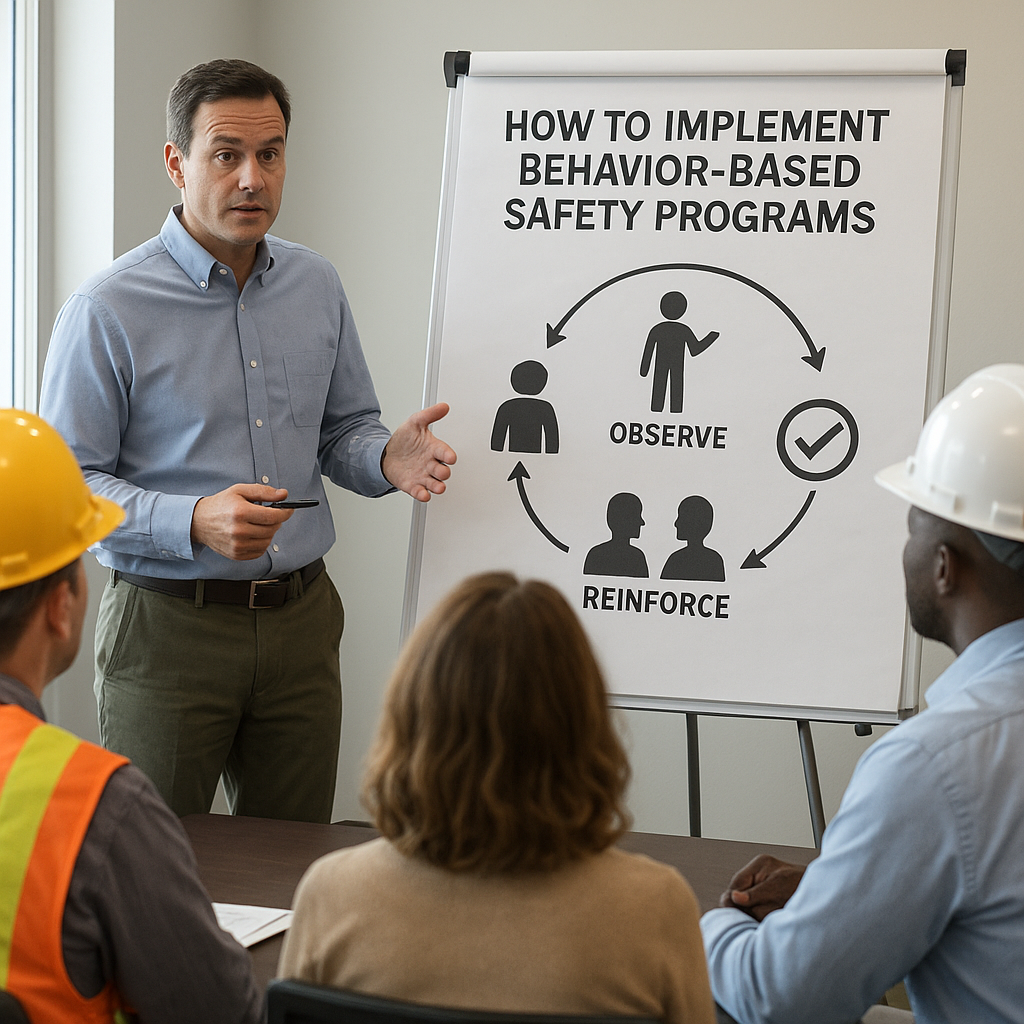
Conducting a thorough security risk assessment is essential for any organization aiming to safeguard its assets, reputation, and operational continuity. By systematically identifying and evaluating potential threats, businesses can prioritize their security efforts, allocate resources efficiently, and implement effective countermeasures. This article outlines a structured approach to performing a comprehensive security risk assessment, with practical guidance on each critical phase of the process.
Understanding Business Security Risks
Every organization faces a variety of internal and external threats that can impact its ability to operate. Recognizing the landscape of potential dangers is the first step in establishing a robust security posture. Business security risks can range from cyber attacks and data breaches to physical intrusions and supply chain disruptions.
Key elements of this foundational stage include:
- Mapping assets such as personnel, intellectual property, facilities, and IT infrastructure.
- Reviewing industry-specific regulations and compliance requirements.
- Assessing the organization’s risk appetite and tolerance levels.
By building a clear picture of what needs protection, security leaders lay the groundwork for targeted and cost-effective measures.
Risk Identification
The process of identification aims to uncover all plausible threats and vulnerabilities that could affect key assets. A methodical approach prevents oversights and ensures a holistic view:
- Threat Enumeration: Gather information about potential adversaries, including hackers, insiders, competitors, or environmental hazards.
- Asset Inventory: Maintain an up-to-date register of digital and physical assets, noting criticality and interdependencies.
- Vulnerability Scanning: Use automated tools and manual reviews to uncover software flaws, configuration errors, and procedural gaps.
- Stakeholder Interviews: Engage department heads, IT personnel, and frontline staff to identify emerging concerns or past incidents.
This stage culminates in a comprehensive risk register, detailing each threat, its associated vulnerabilities, and affected assets.
Risk Analysis and Evaluation
Once risks have been identified, the next task is to evaluate their likelihood and potential impact. This dual-dimension analysis helps organizations rank risks according to priority:
- Likelihood Assessment: Classify the probability of each threat exploiting a vulnerability (e.g., rare, possible, likely).
- Impact Analysis: Determine the consequences of a successful exploit on confidentiality, integrity, and availability of assets.
- Risk Rating: Assign a numerical or categorical score that combines likelihood and impact to prioritize risks.
- Risk Matrix: Visualize high-priority risks in a matrix for clear decision-making and communication with stakeholders.
During this phase, it’s vital to challenge assumptions, validate data sources, and consider both quantitative and qualitative factors. Effective analysis informs a balanced investment in protective controls.
Risk Mitigation Strategies
With risks prioritized, organizations can develop targeted mitigation plans. The goal is to reduce risk to an acceptable level by applying one or more of the following strategies:
- Avoidance: Eliminate activities or assets that introduce unacceptable risk.
- Reduction: Implement controls such as firewalls, encryption, access management, and security training to lower risk exposure.
- Transfer: Outsource risk through insurance policies, managed security services, or contractual agreements.
- Acceptance: Recognize low-priority risks and retain them with appropriate monitoring, when cost-effective mitigation is unavailable.
Creating a detailed action plan ensures accountability. Assign roles, define timelines, set budgets, and establish performance metrics to track progress. Regularly review mitigation efforts to adapt to changing threat conditions.
Continuous Monitoring and Review
Security risk assessment is not a one-off exercise. Effective programs incorporate ongoing monitoring and periodic reassessments to address evolving threats and business changes:
- Security Metrics: Track key indicators such as incident rates, patch management status, and system downtime.
- Periodic Audits: Schedule internal and external reviews to validate control effectiveness and uncover new vulnerabilities.
- Threat Intelligence: Subscribe to industry feeds, information-sharing groups, and regulatory alerts for emerging risks.
- Change Management: Integrate security reviews into business process changes, system upgrades, and third-party engagements.
Feedback loops ensure that lessons learned from incidents or audits drive continuous improvement, reinforcing a proactive security culture.
Integrating Risk Assessment into Corporate Governance
Embedding risk assessment within the broader governance framework elevates security from a technical function to a strategic imperative. Key practices include:
- Establishing a cross-functional risk committee with representation from IT, legal, finance, and operations.
- Aligning risk assessment objectives with corporate goals and performance indicators.
- Reporting assessment findings regularly to executive leadership and the board.
- Linking risk management outcomes to incentive structures, fostering accountability and ownership.
When integrated properly, security risk assessments become a driver of business resilience and competitive advantage, rather than merely a compliance checkbox.
Leveraging Technology and Expertise
Advances in automation, machine learning, and specialized platforms are transforming how organizations approach security risk assessments. Consider these enhancements:
- Automated Scanning Tools: Rapidly detect configuration issues, malware, and policy violations across networks.
- Risk Management Software: Centralize risk registers, action plans, and reporting dashboards for real-time visibility.
- Professional Services: Engage third-party consultants or certified auditors to validate internal assessments and benchmark against industry standards.
- Training and Awareness: Invest in ongoing education programs to equip employees with the skills to spot and report risks.
The right blend of in-house expertise and external tools enhances accuracy, saves time, and strengthens organizational resilience.
Conclusion
Executing a well-structured security risk assessment empowers organizations to make informed decisions, minimize losses, and maintain stakeholder trust. By following the outlined stages—understanding risks, identification, analysis, mitigation, continuous monitoring, and integration into governance—businesses establish a proactive stance against ever-changing threats. Consistent application of these principles ensures that security efforts remain aligned with organizational objectives and provide measurable value.