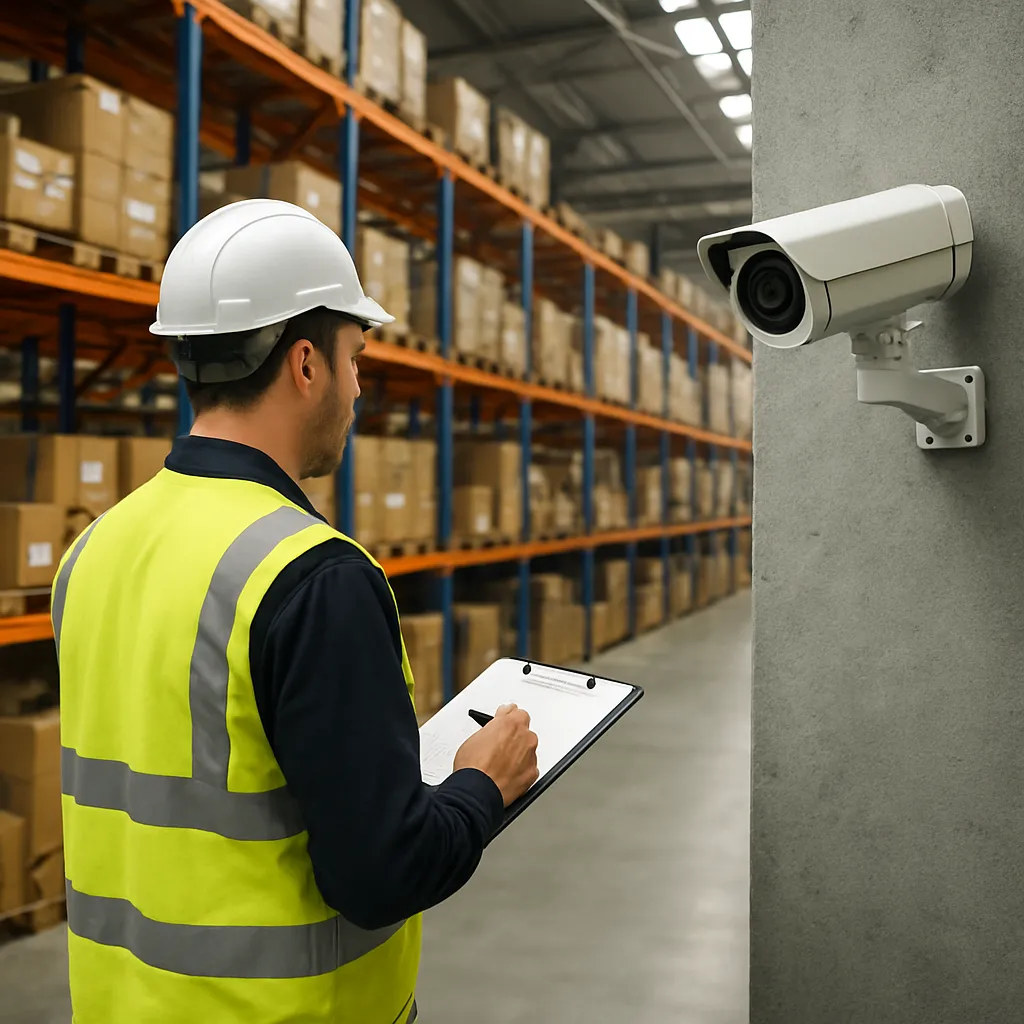
Effective warehouse security and safety strategies are essential for protecting assets, ensuring operational continuity, and safeguarding personnel. A comprehensive approach blends physical measures, advanced technology, and ongoing employee engagement. By integrating risk assessments, targeted enhancements, and robust emergency procedures, organizations can build a resilient environment that thwarts threats and maintains productivity.
Security Assessment and Risk Analysis
Begin with a detailed audit to identify key vulnerabilities in warehouse operations. Map out all entry and exit points, loading docks, storage zones, and external perimeters. Establishing clear protocols for handling deliveries, vendor access, and internal movement reduces uncertainty and streamlines control. Use a risk register to rate potential threats, from theft and vandalism to natural disasters, assigning probability scores and impact levels.
Identifying Weak Points
Conduct physical inspections and interview staff to uncover blind spots. CCTV footage can reveal patterns of unauthorized access or unsafe behavior. Cross-reference incident logs with inventory discrepancies to spot recurring issues. Highlight areas lacking sufficient lighting or unattended during off-hours.
- Review historical incident data and near misses
- Inspect doors, windows, and perimeter fences
- Evaluate signage clarity and walkway markings
Establishing Risk Management Cycles
Develop a risk mitigation plan that assigns responsibilities and deadlines. Schedule quarterly reviews to update assessments, refine controls, and validate incident response times. Engaging cross-functional teams—operations, security, and HR—ensures both physical and procedural gaps are addressed.
Physical Security Enhancements
Enhancing the physical environment creates the first line of defense. Install sturdy fencing, reinforced entry gates, and commercial-grade locks on dock doors. Integrate sophisticated access control systems such as keycards, biometric scanners, or PIN-based turnstiles to regulate movement. Restrict high-value storage zones with additional barriers and secure locks.
Barrier Installation
Concrete bollards and crash-rated barriers protect vulnerable areas from unauthorized vehicle breaches. Perimeter fencing should reach a minimum height and include anti-climb features. For indoor zones, implement steel cages for expensive equipment and sensitive products.
Lighting and Surveillance
Optimal illumination deters intruders and improves safety for night-shift employees. Deploy motion-activated LED floodlights around loading docks and exterior walls. Incorporate advanced surveillance systems with high-resolution, PTZ (pan-tilt-zoom) cameras and infrared capability. Ensure camera angles cover all blind spots and critical intersections.
- Strategic placement of cameras near entry points
- Integration of motion sensors with alarm triggers
- Regular cleaning and testing of lenses and hardware
Technology Integration for Safety
Leveraging digital tools elevates security and operational efficiency. Implement a warehouse management system (WMS) with real-time tracking, automated alerts, and data analytics. IoT-based sensors can monitor environmental conditions like temperature, humidity, and air quality, protecting sensitive stock from spoilage or damage.
Automated Material Handling
Adopt robotics and conveyor systems to reduce manual handling risks. Automated Guided Vehicles (AGVs) can transport pallets safely along predetermined paths, minimizing human error. Coupling these systems with automation software enhances throughput while maintaining precise inventory counts.
Real-Time Monitoring and Analytics
Use dashboards that aggregate sensor data, access logs, and incident reports. Continuous monitoring enables managers to spot anomalies, such as unauthorized door openings or sudden temperature shifts, and respond immediately. Predictive analytics can forecast maintenance needs, preventing equipment failures.
- RFID tagging for high-value items
- Barcode scanning at each transit point
- Cloud-based data backup for audit trails
Employee Training and Emergency Procedures
Personnel awareness and preparedness are vital. Develop interactive workshops focusing on theft prevention, proper material handling, and first-aid basics. Establish a clear chain of command for reporting suspicious activity and documenting incidents. Ongoing training builds a security-conscious culture that empowers workers to act swiftly.
Regular Drills and Simulations
Schedule quarterly fire and evacuation drills to test response efficacy. Detailed emergency planning should cover scenarios like chemical spills, electrical fires, and active intruder situations. After each drill, convene a debrief to identify delays and improve communication channels.
Security Awareness Programs
Implement monthly bulletins that highlight recent incidents, lessons learned, and tips for vigilance. Encourage anonymous reporting through hotlines or digital forms. Recognize employees who proactively safeguard assets and maintain safe practices.
- Role-specific security responsibilities
- Clear incident escalation paths
- Post-incident reviews and documentation
Continuous Improvement and Compliance
Maintaining a high-security standard demands iterative reviews and adherence to regulations. Align operations with OSHA safety guidelines and relevant ISO standards. Periodic third-party audits validate internal controls and signal to clients and insurers that your facility is secure and well-managed.
Auditing and Metrics
Track key performance indicators such as incident rates, average response times, and equipment downtime. Conduct biannual security assessments to measure progress against established benchmarks. Use audit findings to refine policies, upgrade technology, or adjust staffing.
Regulatory Standards and Certifications
Achieve certifications like ISO 28000 for supply chain security or ANSI/ASSP Z10 for occupational health and safety. Third-party credentials enhance organizational credibility and serve as a powerful deterrence against potential threats. Maintain up-to-date documentation to streamline inspections and insurance renewals.
- ISO 28000 – Supply Chain Security Management
- OSHA Warehouse Safety Regulations
- ANSI/ASSP Z10 – Occupational Health and Safety


