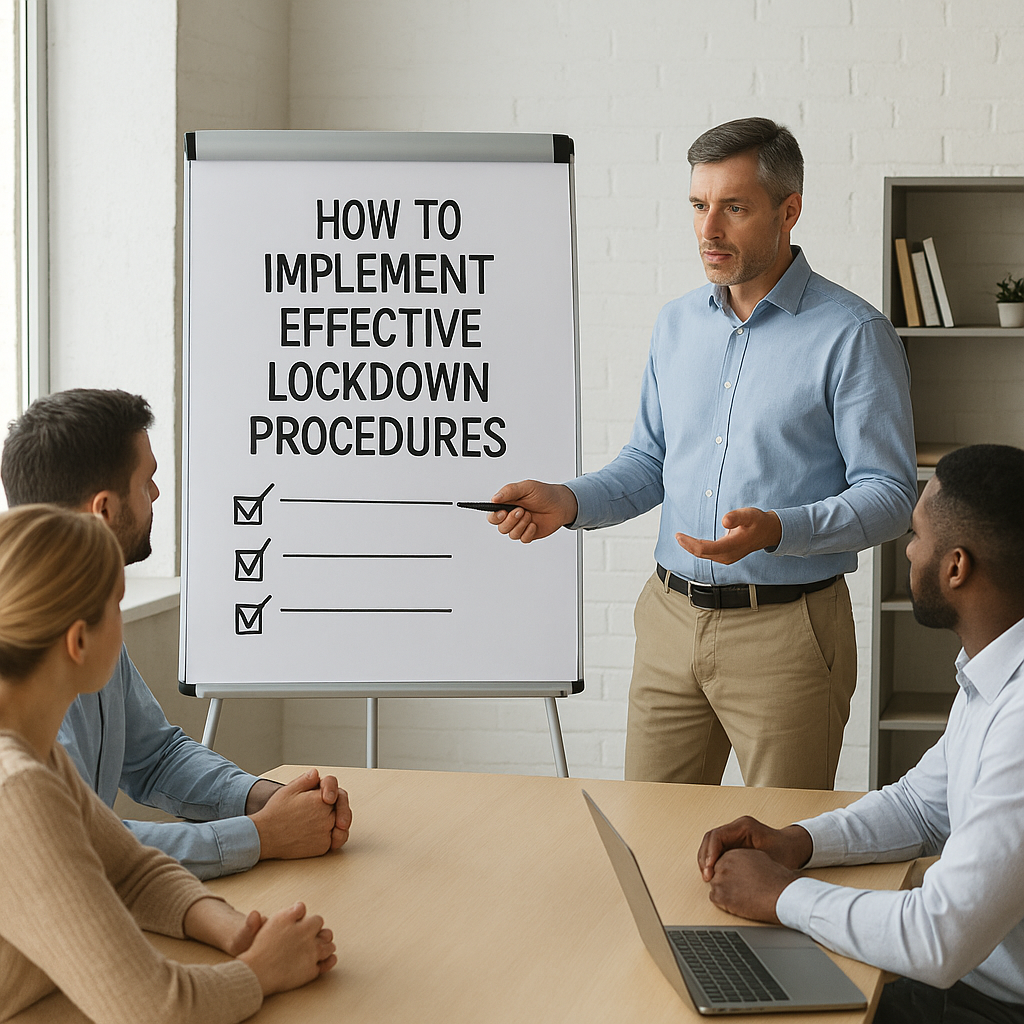
When a company prioritizes security and resilience, implementing comprehensive lockdown procedures becomes crucial to safeguarding employees, assets, and reputation. A carefully crafted plan ensures that teams respond swiftly and effectively during an emergency, minimizing risk and maintaining business continuity.
Understanding Key Lockdown Principles
Before drafting any formal plan, it’s essential to grasp the foundational elements that make a lockdown procedure successful. These building blocks include threat evaluation, resource allocation, and stakeholder engagement.
Threat Evaluation and Risk Assessment
A thorough assessment of potential threats—from active intruders to environmental hazards—lays the groundwork for a targeted response. Conducting regular risk assessments helps identify vulnerable entry points, high-traffic zones, and critical infrastructure.
- Physical security audits
- Surveillance and access control reviews
- Historical incident analysis
Establishing Clear Protocols
Once risks are understood, detailed protocols must be developed that outline step-by-step actions. These guidelines should address:
- Activation triggers and command hierarchy
- Lockdown signal methods (audible alarms, PA announcements)
- Securing internal and external entrances
- Coordination with local law enforcement
Developing an Effective Lockdown Plan
A robust lockdown plan integrates physical measures, procedural instructions, and communication channels to ensure a unified response.
Designating Roles and Responsibilities
Assigning clear duties to team members prevents confusion when time is of the essence. Typical roles include:
- Incident Commander: Leads the response and liaises with authorities
- Lockdown Coordinators: Execute access restrictions
- Communication Officers: Manage internal and external updates
- First Aid Team: Provides medical assistance if needed
Access Control and Physical Measures
Implement layered security using electronic locks, reinforced doors, and visitor management systems. Ensure that high-risk areas have additional safeguards such as bollards, shatter-resistant film on windows, and panic bars on doors.
Training, Drills, and Organizational Culture
A plan is only as strong as the people executing it. Regular training and realistic drills instill confidence and muscle memory among staff, reducing panic and errors during an actual event.
Designing Effective Drills
Lockdown drills should simulate a variety of scenarios, from armed intruders to chemical spills. Key considerations include:
- Unannounced exercises to test readiness
- After-action reviews to identify gaps
- Surveys and feedback from participants
Building a Security-Minded Culture
Embedding preparedness into everyday routines encourages vigilance. Promote simple habits such as badge checks, reporting suspicious behavior, and keeping emergency exits clear. Recognition programs for staff who demonstrate exceptional security awareness can reinforce positive behaviors.
Integrating Technology for Real-Time Response
Advanced tools can significantly enhance lockdown effectiveness by providing real-time data and automated controls.
Surveillance and Detection Systems
Deploy high-definition cameras with analytics that detect unusual movement or unauthorized entry. Integrate sensors on doors and windows to trigger immediate alerts when breached.
Automated Lockdown Activation
Modern security platforms allow one-touch lockdown via mobile apps or control panels. This feature ensures that even if key personnel are unavailable, any authorized user can quickly initiate protective measures.
Communication and Coordination During Lockdown
Effective communication is vital to prevent misinformation and ensure all stakeholders receive accurate instructions.
Internal Notification Channels
Utilize multiple channels—text alerts, intercom announcements, and digital signage—to reach staff in different locations. Ensure messages are concise, providing clear directives like “Lock doors, turn off lights, remain silent.”
External Collaboration
Coordinate with first responders, security vendors, and neighboring businesses to share intelligence and resources. Establish predefined points of contact and backup lines to maintain uninterrupted coordination.
- Mutual aid agreements with nearby facilities
- Law enforcement liaison protocols
- Shared incident management software
Maintaining Compliance and Continuous Improvement
Staying current with legal requirements and industry standards ensures that lockdown measures remain effective and enforceable. Regular audits and third-party reviews help maintain compliance and drive refinements.
Policy Reviews and Updates
Schedule biannual policy reviews to incorporate feedback from drills, changes in facility layout, or updates in local regulations.
Performance Metrics and Reporting
Track metrics such as drill response times, incident resolution rates, and training completion percentages. Use these data points to identify trends and prioritize enhancements.
Fostering Long-Term Resilience
By embedding these strategies into the organizational fabric, companies can build enduring resilience. Ongoing investment in personnel skills, technological upgrades, and cross-functional coordination ensures that when a lockdown is necessary, the entire workforce can act with confidence and precision. Such a proactive stance not only protects physical assets but also reinforces stakeholder trust and corporate reputation.


