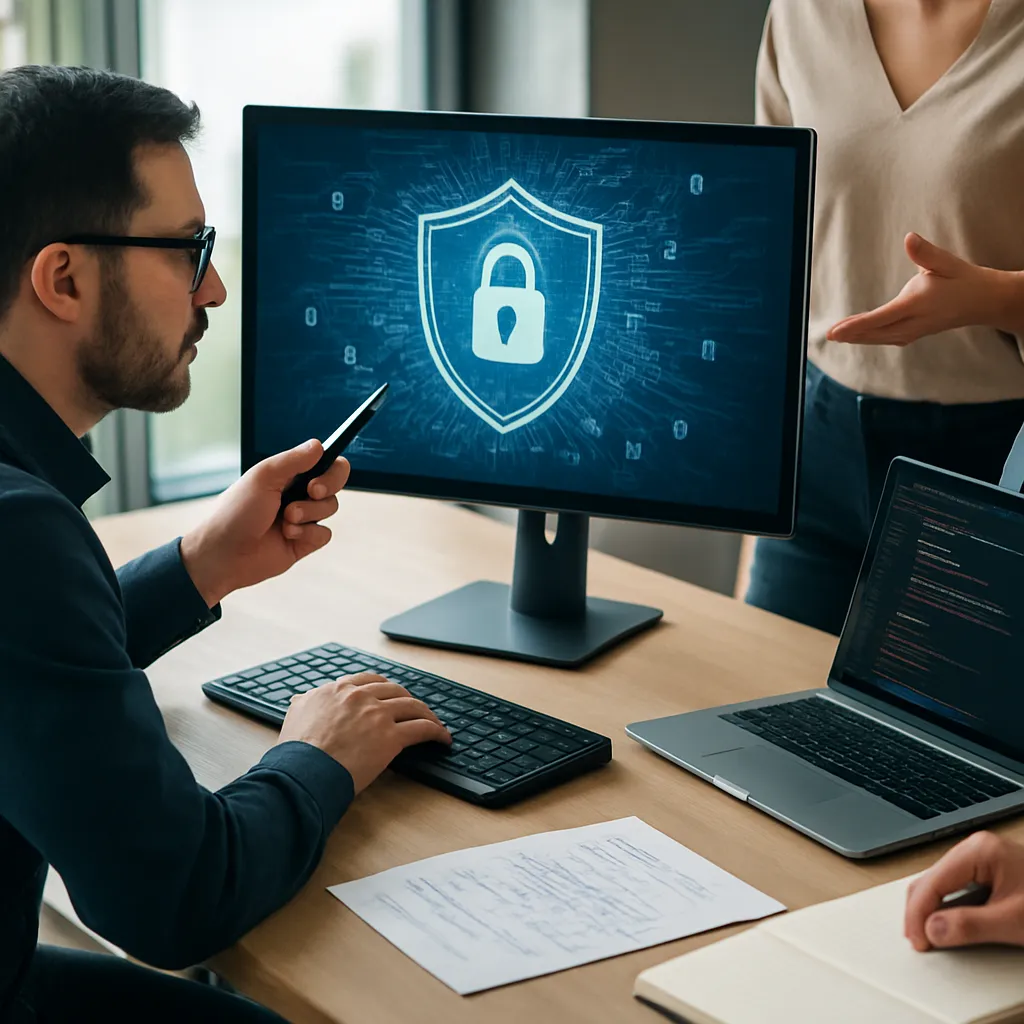
In a landscape where teams are scattered across different continents, ensuring data privacy becomes a critical pillar of business security. Organizations must address unique challenges that arise from a decentralized workforce, striking a balance between accessibility and protection. By combining robust technical solutions, clear policies, and ongoing education, companies can build a resilient framework that safeguards sensitive information in any remote setting.
Understanding Key Data Privacy Challenges
Remote teams face a variety of risks that are less pronounced in a centralized office environment. Recognizing these obstacles is the first step toward developing comprehensive countermeasures.
- Unsecured Networks: Public Wi-Fi hotspots and home broadband often lack enterprise-grade safeguards, increasing the risk of unauthorized interception of data.
- Device Vulnerabilities: Personal laptops, tablets, and mobile phones may run outdated software or lack proper security configurations, creating exploitable gaps.
- Shadow IT: Team members sometimes adopt unsanctioned applications or file-sharing services for convenience, unknowingly exposing sensitive assets.
- Regulatory Complexity: Cross-border data transfers must comply with diverse frameworks such as GDPR, CCPA, or HIPAA, demanding meticulous attention to legal requirements.
- Human Error: Phishing, misconfigured permissions, and accidental data leaks remain leading causes of privacy breaches, exacerbated by remote communication channels.
Establishing Robust Security Policies
Clear, enforceable policies form the backbone of any successful data privacy strategy. They guide employee behavior, define acceptable practices, and set expectations regarding data handling.
Policy Development and Documentation
- Draft a comprehensive information security policy that outlines roles, responsibilities, and reporting channels for data incidents.
- Define acceptable use of personal and corporate devices, specifying requirements for updates, antivirus, and device encryption.
- Incorporate a zero trust approach, ensuring that every access request—inside or outside the network—is authenticated and authorized.
- Include clear procedures for remote access, specifying approved tools, connection methods, and monitoring protocols.
Enforcement and Compliance
- Implement regular audits to verify adherence to policies and identify areas for improvement.
- Maintain an incident response plan with predefined escalation paths, roles, and timelines to contain any data breaches swiftly.
- Stay updated on evolving regulations; appoint a compliance officer or team to ensure legal obligations are met.
- Leverage data classification schemes to mark information according to sensitivity, guiding encryption, retention, and disposal practices.
Technical Measures to Protect Remote Data
Combining advanced tools and best practices allows businesses to defend against evolving threats while preserving user productivity.
Secure Connectivity
- Enforce use of a corporate-grade VPN with strong encryption protocols to safeguard data in transit.
- Adopt network segmentation to limit lateral movement in case of a compromised endpoint.
- Use modern secure communication platforms that provide end-to-end encryption for messaging and file sharing.
Identity and Access Management
- Implement multi-factor authentication (MFA) across all critical systems to prevent unauthorized logins.
- Adopt a principle of least privilege, ensuring employees have only the minimum access needed to perform their duties.
- Regularly review and revoke inactive or redundant accounts to minimize attack surfaces.
Data Encryption and Storage
- Require full-disk encryption on all corporate devices, protecting data at rest from physical theft.
- Store backups in secure, geographically diverse locations to ensure business continuity.
- Manage and rotate encryption keys using centralized key management systems to prevent unauthorized decryption.
Monitoring and Threat Detection
- Deploy endpoint detection and response (EDR) solutions to identify suspicious activities in real time.
- Set up SIEM (Security Information and Event Management) tools to aggregate logs and generate alerts for anomalous behavior.
- Conduct periodic vulnerability scans and penetration tests to uncover hidden weaknesses.
Building a Culture of Security Awareness
Technology alone cannot eliminate risk. Organizations must foster a security-first mindset among all team members through targeted training and communication.
Ongoing Education and Drills
- Offer regular workshops on recognizing phishing, social engineering, and other common attack vectors.
- Perform simulated cyberattacks to gauge employee preparedness and reinforce proper response actions.
- Update training materials in response to emerging threats, ensuring relevance and engagement.
Clear Communication Channels
- Encourage prompt reporting of potential incidents, no matter how minor they may seem.
- Maintain a dedicated communication channel—such as a secure chat or hotline—for privacy and security concerns.
- Reward responsible behavior and share success stories to reinforce positive habits.
Leadership and Accountability
- Assign data privacy officers or champions within each department to champion best practices.
- Incorporate privacy and security goals into performance reviews and team objectives.
- Ensure that executives model the behaviors expected of the rest of the organization, signaling top-down commitment.
Optimizing Tools for Continuous Improvement
Regularly evaluating and upgrading security solutions ensures that defenses remain aligned with evolving business needs and threat landscapes.
- Track key performance indicators (KPIs) such as incident response times, number of blocked threats, and user compliance rates.
- Engage third-party security experts for unbiased assessments and to supplement internal capabilities.
- Leverage automation where possible to streamline routine tasks like patch management and log analysis.
- Stay informed about emerging technologies—such as AI-powered threat detection and behavior analytics—that can enhance privacy protection.
By integrating strong policies, advanced technical controls, comprehensive training, and a culture of accountability, organizations can ensure that data privacy remains uncompromised—even when teams operate from diverse locations.