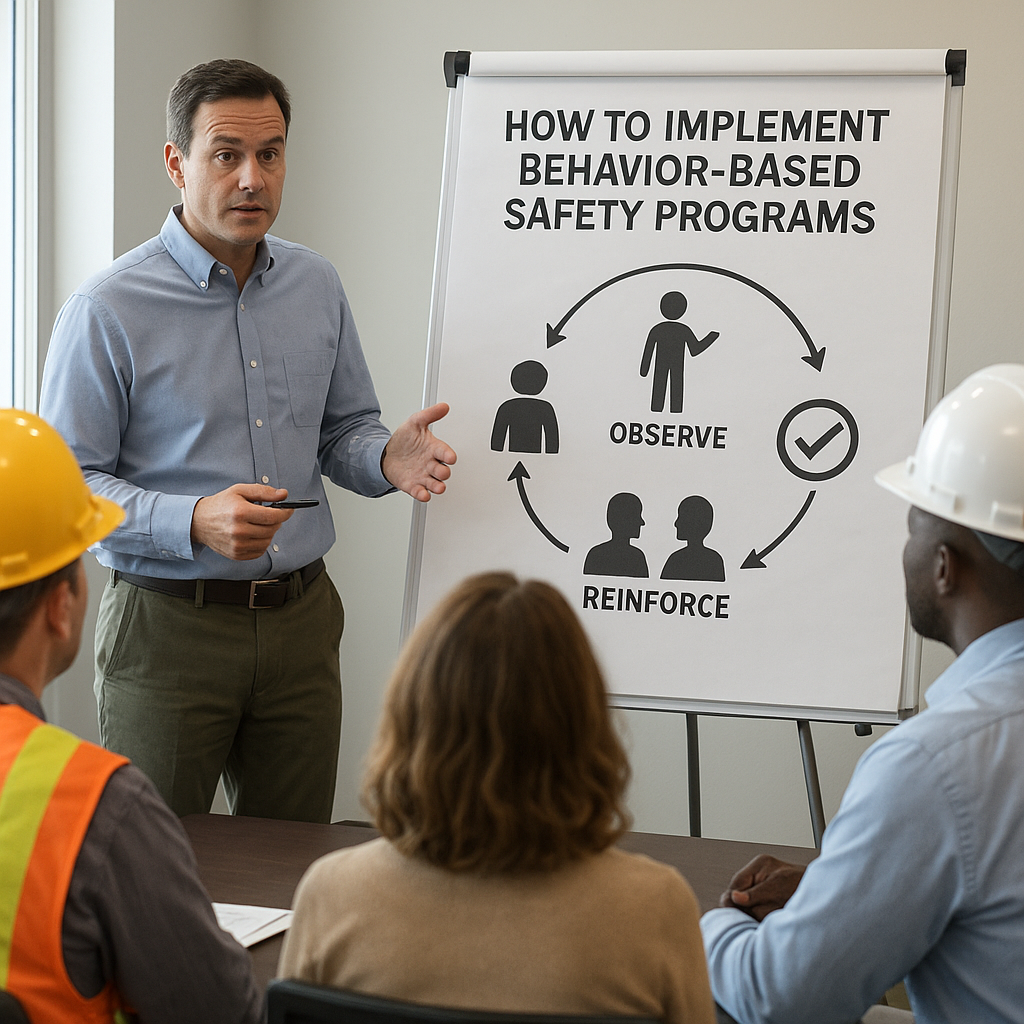
Employee awareness forms a critical layer in any robust security strategy. By empowering staff with the right knowledge and skills, organizations can transform every team member into a vigilant defender. When people recognize potential risks, understand their role in mitigation, and feel empowered to act, the entire enterprise stands stronger against cyberattacks, social engineering, and insider threats.
Understanding the Modern Threat Landscape
Business ecosystems face an ever-expanding array of challenges, from sophisticated phishing campaigns to ransomware outbreaks. Threat actors constantly innovate, seeking new vulnerabilities in systems, applications, and human behavior. Without a solid foundation of awareness, employees may inadvertently become the weakest link, clicking malicious links or divulging credentials to impostors.
Key dimensions of the modern threat landscape include:
- Phishing and spear-phishing: Targeted emails that mimic trusted sources to steal information or launch malware.
- Ransomware attacks: Encryption of critical data, demanding payment for decryption keys.
- Insider threats: Accidental or malicious actions by employees that compromise security.
- Supply chain exploits: Breaches in third-party vendors that cascade into enterprise networks.
When employees are educated on these attack vectors, they develop the vigilance necessary to spot anomalies. A single cautious click can prevent a devastating breach.
Cultivating a Security-Aware Culture
A security-aware culture hinges on shared values and consistent reinforcement. Leadership must set the tone, embedding responsibility and accountability into daily workflows. This involves:
- Establishing clear policies that outline acceptable behaviors and reporting procedures.
- Encouraging open communication about near-misses, suspicious activities, and lessons learned.
- Recognizing and rewarding proactive security contributions, boosting overall engagement.
By integrating security discussions into routine meetings, newsletters, and intranet updates, organizations ensure that awareness remains front of mind. When employees feel their insights matter, they become active partners rather than passive observers.
Designing Effective Training and Reinforcement
Training programs are most effective when they combine interactive content, real-world simulations, and ongoing assessments. Static slide decks often fail to capture attention, whereas gamified exercises and mock phishing tests can drive home critical lessons:
- Simulated phishing campaigns to measure click rates and provide instant feedback.
- Scenario-based workshops that immerse teams in decision-making under pressure.
- Microlearning modules focusing on one key concept at a time, such as password hygiene or device security.
Continuous reinforcement is essential. Quarterly refreshers, bite-sized video clips, and quick quizzes help maintain vigilance long after the initial training session. Moreover, integrating security reminders into everyday tools—like banners on login screens or checklists in ticketing systems—ensures that best practices remain top of mind.
Leadership Commitment and Continuous Improvement
Effective security depends on unwavering support from the top. Executives and managers must champion the cause, allocate resources, and model desired behaviors. Their visible commitment transforms security from a checkbox activity into a core organizational value.
Key steps for leaders include:
- Allocating budget for advanced training platforms and tools.
- Establishing metrics to track employee performance on security tasks, such as click-through rates on simulated attacks.
- Conducting regular audits to identify gaps in policies and training curricula.
- Soliciting feedback from staff to pinpoint areas of confusion or concern.
By embracing a process of continuous improvement, organizations can adapt their programs as new threats emerge. Leaders who take an active role in reviewing reports, celebrating successes, and addressing deficiencies foster a sense of shared ownership—and ultimately, a more resilient enterprise.