Effective corporate security transcends mere technical solutions and policies; it hinges on the quality of leadership guiding the organization. Strong leadership sets the tone for risk awareness, drives strategic decisions, and ensures that security priorities align with business objectives. By embedding security considerations into every level of the corporate structure, leaders forge a resilient organization capable of withstanding evolving threats. This article explores key dimensions in which executive vision, culture building, process implementation, and continuous improvement converge to create a robust security posture.
Strategic Vision and Security Alignment
At the core of corporate safety lies a clear strategic vision championed by senior executives. When C-suite members prioritize security as an integral component of long-term growth, they foster trust among employees, customers, and stakeholders. A well–defined vision translates into measurable goals, resource allocation, and performance metrics. Leaders must:
- Articulate security objectives that complement financial and operational targets.
- Ensure budgetary support for training, tools, and incident response capabilities.
- Align information sharing between departments to avoid silos and blind spots.
By embedding security considerations in board-level discussions, executives demonstrate that protecting assets and data is as vital as pursuing new markets. This integrated approach also enhances the company’s reputation, signaling to investors that risk management is non-negotiable. Moreover, collaboration with legal and compliance teams ensures that policies reflect both internal expectations and external regulations, reducing exposure to fines and reputational damage.
Cultivating a Security-First Culture
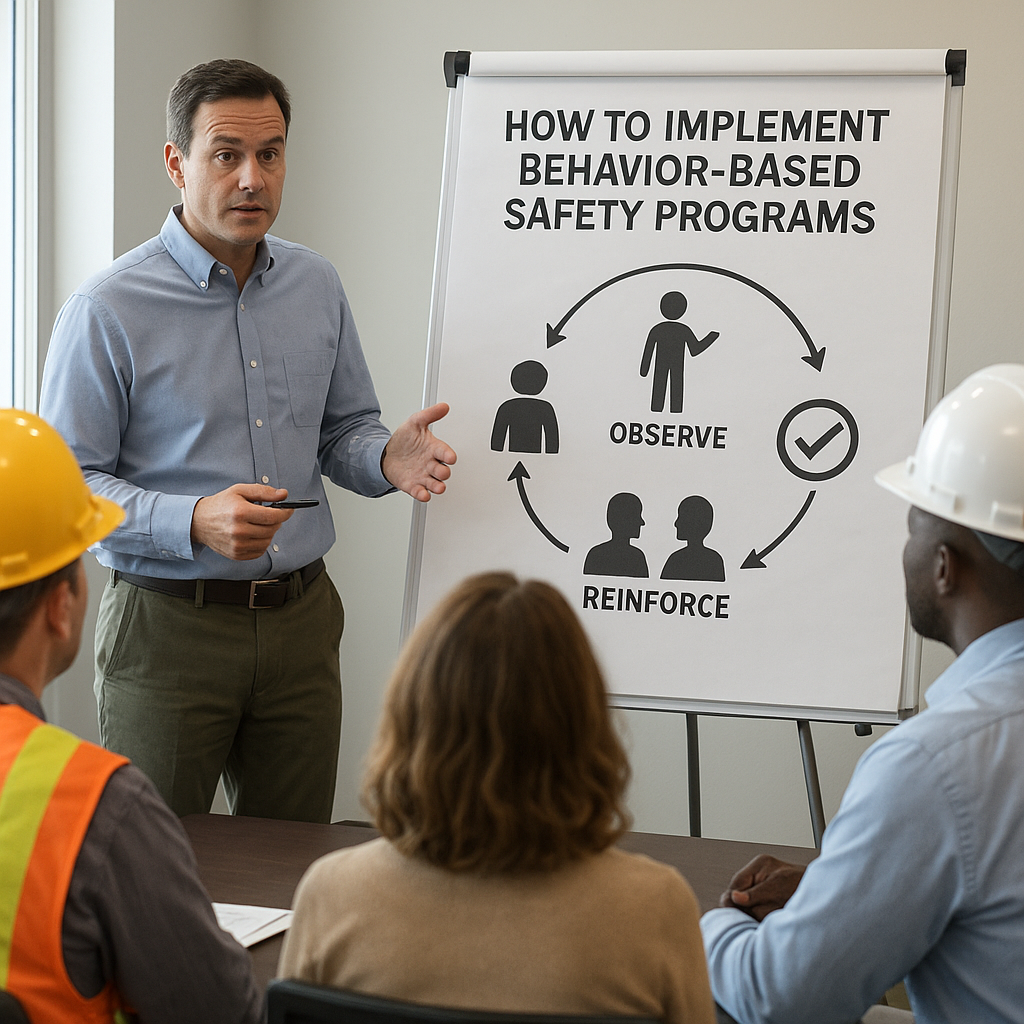
A strong culture transforms security from a checkbox exercise into a shared responsibility. Leadership commitment must cascade through every layer of the organization, empowering individuals to speak up about vulnerabilities and propose improvements without fear of reprisal. Achieving this requires:
- Transparency in communicating incidents and lessons learned, fostering an environment of continuous learning.
- Recognition programs that reward employees who identify risks or innovate protective measures.
- Regular awareness campaigns and interactive training modules tailored to diverse roles.
Leaders can host regular town halls or “lunch-and-learn” sessions where security teams present emerging threats and response protocols. By making security discussions part of everyday dialogue, organizations break down barriers between technical experts and frontline staff. This inclusive approach strengthens vigilance and encourages proactive reporting. When employees see executives investing time and energy in security initiatives, they internalize its importance and integrate safe practices into their daily routines. Ultimately, a well-nurtured culture becomes the organization’s first line of defense.
Implementing Robust Security Frameworks
Translating vision and culture into action demands comprehensive frameworks that address the full spectrum of potential risks. Leaders oversee the design, deployment, and continuous refinement of policies, processes, and technologies.
Risk Assessment and Management
Conducting regular risk assessment exercises enables organizations to identify critical assets, threat vectors, and probability scenarios. Leadership must endorse risk-based prioritization so that resource allocation matches the severity of potential impact. Effective risk management includes:
- Periodic audits and penetration tests performed by internal teams or third-party specialists.
- Business impact analyses that evaluate financial and operational consequences of security breaches.
- Comprehensive incident response plans with clear roles, communication channels, and recovery objectives.
Technology and Cybersecurity Integration
Modern enterprises rely on intricate networks, cloud services, and mobile devices that expand the attack surface. Leaders must champion investments in advanced technologies—such as next-generation firewalls, endpoint detection and response platforms, and security information and event management systems—that automate threat detection and accelerate remediation. Integrating these tools with existing workflows reduces manual errors and ensures real-time visibility. Collaboration between IT and business units is essential to tailor solutions that balance security with operational efficiency.
Regulatory Compliance and Governance
Adhering to industry standards and government regulations not only mitigates legal risk but also signals credibility to partners and customers. Leadership’s oversight of compliance programs involves:
- Tracking evolving regulatory landscapes (e.g., data protection laws, financial reporting requirements).
- Implementing controls to ensure data privacy, access management, and secure third-party relationships.
- Documenting evidence of policy enforcement and conducting internal reviews to prepare for external audits.
Clear governance structures define accountability for each control and ensure that responsibilities are neither overlooked nor duplicated. By assigning dedicated roles—such as Chief Information Security Officer, Data Protection Officer, and security stewards in business units—companies maintain consistent oversight across complex environments.
Continuous Improvement and Future Challenges
Security leaders must embrace a mindset of perpetual refinement. Threat landscapes, technologies, and business models evolve rapidly, demanding adaptive strategies. Key actions for sustaining resilience include:
- Conducting post-incident reviews to extract lessons learned and incorporate them into policies.
- Participating in industry forums and sharing anonymized threat intelligence to benefit the broader community.
- Investing in talent development, from hiring skilled analysts to offering certifications that enhance team capabilities.
Looking ahead, organizations will face challenges such as supply chain vulnerabilities, artificial intelligence-driven attacks, and privacy concerns linked to Internet of Things deployments. Resilience depends on leadership’s foresight to anticipate these trends and allocate resources accordingly. By empowering cross-functional teams, fostering collaboration with external experts, and maintaining open lines of communication with regulators, companies can adapt swiftly to new demands. Ultimately, the strength of corporate security lies not only in the sophistication of tools but in the unwavering commitment of leaders to protect people, assets, and reputation.