The Connection Between Cybersecurity and Business Continuity explores how robust protection measures directly influence an organization’s ability to operate without interruption. By analyzing risks, implementing strategic defenses, and fostering a culture of preparedness, companies safeguard critical assets and maintain operations during disruptive incidents. This article delves into the essential components of aligning security strategies with continuity objectives, offering insights into enhancing overall resilience.
Understanding the Threat Landscape
Organizations face an ever-changing array of digital dangers that can cripple operations. Recognizing these challenges is the first step toward achieving effective business continuity. The modern environment demands continuous vigilance against cyberattacks, natural disasters, and human error. A comprehensive view of potential disruptions enables teams to prioritize efforts and allocate resources efficiently.
Categories of Disruptive Events
- Cyberattacks, including phishing, ransomware, and DDoS
- System failures, such as hardware malfunctions or software bugs
- Data breaches impacting data protection and confidentiality
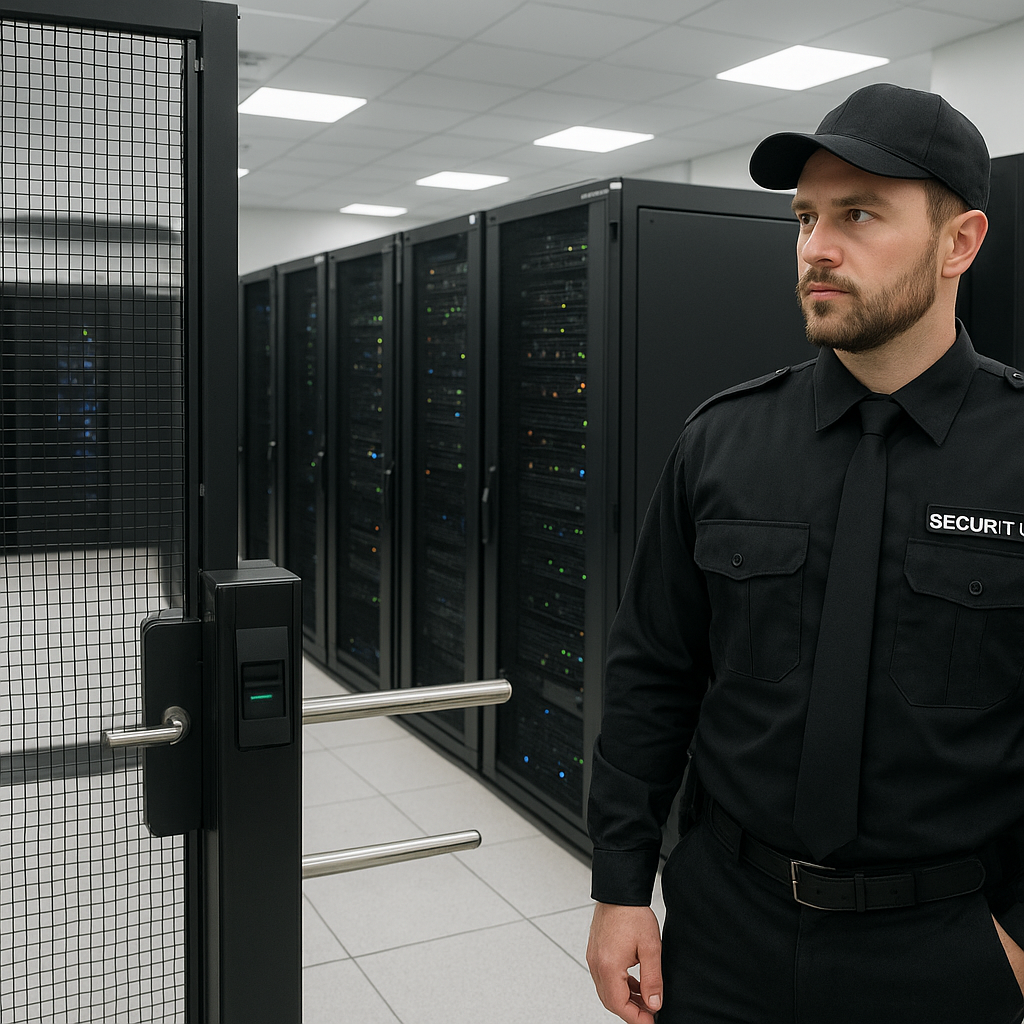
- Physical threats like fire, flood, or theft
- Human factors, encompassing insider threats or accidental errors
Mapping out this threat landscape lays the groundwork for thorough risk assessment and continuity planning. Without a clear understanding of possible adversities, even the most sophisticated security tools may fail to prevent costly downtime.
Integrating Cybersecurity into Continuity Planning
Embedding security into every stage of continuity planning ensures seamless, coordinated responses when incidents occur. A unified approach reduces redundancies, closes gaps, and boosts overall organizational resilience. Key activities include:
Risk Analysis and Prioritization
- Conducting regular vulnerability scans
- Evaluating potential impacts on operations and reputation
- Defining critical systems and processes
- Assigning ownership of high-risk areas
Control Implementation
- Deploying firewalls, intrusion detection, and encryption
- Establishing secure access policies and identity management
- Implementing secure backup solutions with offsite replication
- Ensuring patch management and configuration hardening
These measures not only thwart malicious activity but also contribute to meeting recovery objectives. By aligning security controls with continuity requirements, businesses can reduce their recovery time and ensure critical functions resume swiftly.
Building Resilience Through Collaboration
Effective continuity is not solely the responsibility of IT or security teams. Cross-functional coordination fosters a unified response and amplifies overall preparedness. Key stakeholders should include operations, HR, legal, communications, and executive leadership.
Establishing a Response Team
- Defining roles and escalation paths
- Ensuring 24/7 availability and clear communication channels
- Conducting tabletop exercises and live drills
- Documenting procedures for various incident scenarios
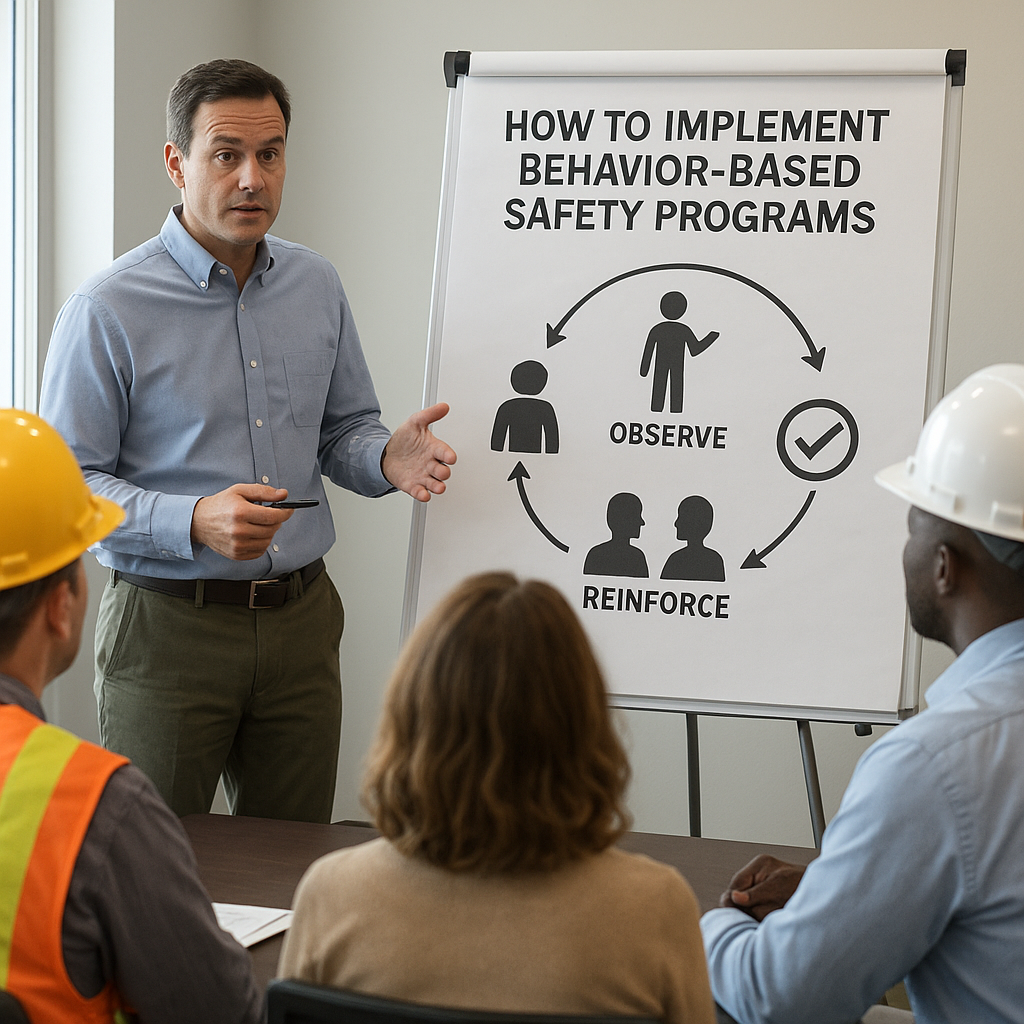
Training and Awareness
- Delivering regular security and continuity workshops
- Simulating phishing attacks to reinforce safe behavior
- Providing up-to-date guidelines on incident reporting
- Encouraging a culture of shared responsibility
Collaboration enhances stakeholder confidence, ensuring stakeholders understand their role in maintaining continuous operations. This unity transforms reactive measures into proactive safeguards against evolving threats.
Measuring and Maintaining Continuous Improvement
Organizations must continually assess and refine their cybersecurity and continuity strategies. Performance metrics, audits, and reviews illuminate areas for enhancement and validate existing controls.
Key Metrics and Indicators
- Mean Time to Detect (MTTD) and Mean Time to Respond (MTTR)
- Recovery Time Objective (RTO) and Recovery Point Objective (RPO)
- Number of security incidents versus prevented breaches
- Employee training completion rates
Audit and Review Processes
- Scheduled internal and external audits
- Post-incident analyses and lessons learned
- Validation of backup integrity and restoration drills
- Updating policies to reflect changes in technology and regulations
Regular evaluations ensure that strategies remain aligned with evolving requirements and that continuity planning adapts to new risks. Continuous improvement creates a feedback loop that bolsters both incident response capabilities and overall organizational robustness.
Leveraging Technology and Innovation
Emerging technologies can enhance the synergy between cybersecurity and business continuity. Advanced tools such as artificial intelligence, machine learning, and automated orchestration platforms provide predictive insights and streamline recovery processes.
Automation and Orchestration
- Automated threat detection and response workflows
- Self-healing infrastructure and automated failover systems
- Integration with cloud-native disaster recovery services
- Real-time monitoring dashboards for unified visibility
Artificial Intelligence and Analytics
- Predictive analytics to identify emerging threats
- Behavioral analysis for insider risk detection
- Automated anomaly detection in network traffic
- Data-driven insights for continuous optimization
By harnessing innovative solutions, businesses can accelerate recovery, reduce human error, and reinforce their security posture. These investments in technology not only safeguard assets but also support long-term organizational resilience.
Aligning Policies and Governance
Strong governance frameworks underpin effective cybersecurity and continuity efforts. Establishing clear policies, conducting regular compliance checks, and ensuring executive oversight are vital elements.
Policy Development
- Defining acceptable use and access control policies
- Establishing incident reporting and escalation procedures
- Documenting continuity plans and restoration guidelines
- Aligning policies with industry standards and regulations
Governance and Oversight
- Board-level sponsorship for security and continuity initiatives
- Regular reporting on risk posture and incident metrics
- Continuous alignment with organizational objectives
- Periodic policy reviews to address new legislative requirements
Robust governance ensures accountability and fosters a culture where security and continuity are strategic priorities. This structured approach guarantees sustained focus and resource allocation for critical initiatives.