How to Protect Your Company from Supply Chain Attacks

Protecting an organization from hidden vulnerabilities requires a proactive approach to defend against complex supply chain attacks. By implementing a combination of strategic planning, robust processes, and advanced technologies, enterprises can effectively mitigate risks and ensure uninterrupted operations. Understanding Modern Supply Chain Risks Supply chain threats have evolved beyond traditional disruptions such as logistics delays or natural disasters. Today’s adversaries exploit software dependencies, third-party services, and even hardware components to…

Read More

The Importance of Cyber Hygiene in the Workplace

Effective cyber hygiene is the foundation of a robust business security strategy. From simple daily routines to enterprise-wide policies, organizations that prioritize systematic protection measures can significantly reduce their exposure to digital threats. This article explores essential concepts, practical steps, and future directions for cultivating a cyber-safe workplace environment. Understanding Cyber Hygiene and Its Relevance Maintaining good cyber hygiene means adopting a set of ongoing practices designed to keep systems…

Read More

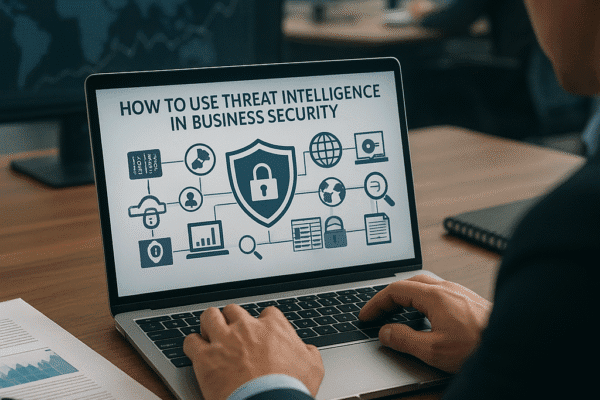
How to Use Threat Intelligence in Business Security

Effective security frameworks rely on comprehensive visibility into emerging risks and adversary behaviors. Organizations that harness advanced threat intelligence can anticipate attacks, reduce exposure to critical vulnerabilities, and boost overall operational resilience. This article explores practical steps for leveraging intelligence data, integrating insights into business security strategies, and deploying automated tools to strengthen defenses. Understanding the Foundations of Threat Intelligence Adopting an intelligence-driven approach begins with clarifying what constitutes threat…

Read More

How to Conduct an Internal Security Investigation

A robust internal security investigation process is essential for safeguarding corporate assets and preserving stakeholder trust. Effective inquiries into suspected misconduct or vulnerabilities hinge on clear objectives, systematic evidence collection, and thorough analysis. This guide outlines a structured approach to detecting, examining, and resolving internal security incidents, ensuring your organization maintains the highest standards of integrity and resilience. Planning the Investigation Defining Objectives and Scope Before initiating any investigative actions,…

Read More

Why Regular Software Updates Are Crucial for Security

Regular software updates serve as the backbone of a robust cybersecurity strategy for modern businesses. Beyond simple bug fixes, these updates deliver crucial patches that address newly discovered vulnerabilities and strengthen systems against sophisticated attacks. By embedding updates into routine operational processes, organizations can safeguard sensitive data, protect intellectual property, and maintain customer trust. Enhancing defense against emerging threats Cybercriminals constantly evolve tactics, seeking weak points in code and system…

Read More

How to Conduct Security Drills Effectively

Conducting security drills effectively requires meticulous preparation, clear objectives, and continuous refinement. A well-designed drill not only uncovers hidden vulnerabilities but also enhances organizational resilience. This article outlines the essential steps for planning, executing, and evaluating security exercises that bolster business continuity and safeguard valuable assets. Preparing for a Security Drill Thorough planning is the foundation of any successful drill. Organizations must define the scope, allocate resources, and engage key…

Read More

The Growing Threat of Insider Cybercrime

The Growing Threat of Insider Cybercrime explores how organizations must adapt to a shifting landscape where trusted individuals exploit their access to undermine corporate defenses. As digital transformation accelerates, businesses face increasing pressure to secure sensitive data, protect intellectual property, and maintain customer trust. Addressing the **insider** threat requires a blend of technology, policies, and human-centered strategies that together forge a resilient defense posture. Understanding the Insider Risk Insider cybercrime…

Read More

How to Manage Security in Hybrid Work Models

Hybrid work arrangements have become a strategic imperative for many organizations, blending on-premises and remote operations to drive productivity and agility. However, this dynamic environment also introduces complex security challenges. Adopting a holistic approach to protect assets, data, and personnel across distributed settings is critical. This article explores practical strategies to strengthen defenses, optimize policy enforcement, and cultivate resilience in a hybrid workforce. Assessing the Threat Landscape in Hybrid Work…

Read More

The Importance of Multi-Factor Authentication for Businesses

Implementing multi-factor authentication (MFA) has become an essential pillar in any organization’s security posture. By requiring more than one form of user verification, businesses can significantly reduce vulnerabilities associated with relying solely on passwords. This article explores the key aspects of MFA, its benefits for enterprises, best practices for deployment, and emerging trends shaping the future of identity verification. Understanding Multi-Factor Authentication Definition and Components Multi-factor authentication represents a layered…

Read More