How to Use Automation to Improve Security Efficiency

Adopting automation within a security framework can transform how organizations monitor, detect, and respond to threats. By leveraging advanced tools and processes, businesses can achieve unparalleled efficiency while minimizing human error and resource consumption. This article explores practical methods for integrating automation into security operations, examines leading technologies, and addresses common implementation challenges. Strategic Integration of Automation in Business Security Effective security automation begins with a clear strategy aligned to…


Read More

How to Handle Insider Threats Without Harming Trust

Insider threats can quietly undermine an organization’s security posture, leading to data breaches, financial losses, and reputational damage. Balancing robust protection with a culture of trust demands a nuanced approach. This article explores comprehensive strategies to detect, prevent, and respond to insider risks while maintaining a collaborative environment that empowers employees and safeguards sensitive assets. Identifying and Assessing Insider Threats Understanding Types of Insider Risks Organizations face a spectrum of…

Read More

How to Implement Security Awareness Programs That Work

Implementing a successful security awareness program requires a strategic approach that aligns with organizational objectives and addresses human factors. By focusing on creating engaging content, fostering a culture of vigilance, and continuously measuring progress, companies can reduce vulnerabilities and strengthen their overall security posture. Understanding the Foundation of a Security Awareness Program Before launching any initiative, it’s essential to identify key stakeholders and secure executive sponsorship. Their support provides the…

Read More

The Importance of Regular Security Policy Updates

Effective security governance rests on continually aligning policies with an ever-evolving risk environment. As cybercriminal tactics become more sophisticated, maintaining outdated protocols invites unnecessary exposure. Regularly revisiting and refining security policies not only ensures compliance with emerging regulations but also cultivates a culture of vigilance and responsibility. This article explores key advantages, practical steps, and common obstacles in keeping corporate security policies up to date. Benefits of Regular Security Policy…

Read More

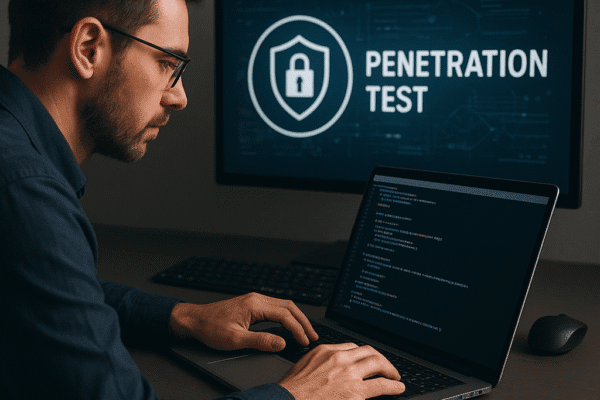
The Importance of Regular Penetration Testing

Regular penetration testing has become an essential component of any robust business security strategy. By simulating real-world cyber attacks, organizations can proactively identify and address hidden weaknesses before they turn into costly breaches. This article delves into the critical aspects of ongoing penetration testing, exploring its practical advantages, strategic implementation, and collaborative approaches to safeguard sensitive assets. Understanding Penetration Testing Penetration testing, often called “pentesting,” involves authorized attempts to exploit…

Read More

The Importance of Multi-Factor Authentication for Businesses

Implementing multi-factor authentication (MFA) has become an essential pillar in any organization’s security posture. By requiring more than one form of user verification, businesses can significantly reduce vulnerabilities associated with relying solely on passwords. This article explores the key aspects of MFA, its benefits for enterprises, best practices for deployment, and emerging trends shaping the future of identity verification. Understanding Multi-Factor Authentication Definition and Components Multi-factor authentication represents a layered…

Read More