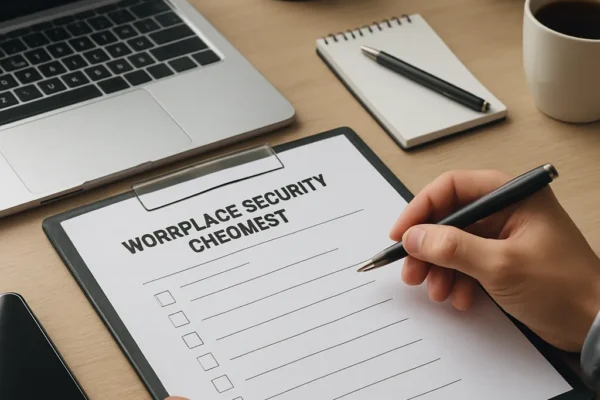
How to Develop a Workplace Security Checklist

Ensuring a secure work environment requires a systematic approach that addresses physical, digital, and procedural elements. A comprehensive workplace security checklist helps organizations minimize threats, safeguard assets, and maintain operational continuity. By focusing on risk identification, robust access management, and clear incident protocols, businesses can build a resilient security framework tailored to their unique needs. Identifying and Assessing Security Risks Before implementing any measures, it is crucial to conduct a…
Read More

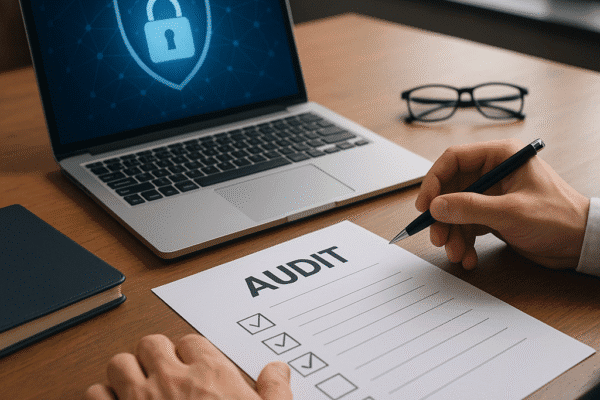
How to Audit Third-Party Security Practices

Auditing the security practices of third-party vendors is a critical component of a robust business security program. Effective reviews uncover potential vulnerabilities, ensure contractual compliance and protect sensitive data. This guide outlines a structured approach to assess and enhance your organization’s defenses against risks introduced by external partners. Identifying and Categorizing Third-Party Relationships To begin a systematic review, build a comprehensive inventory of all external partners. This includes cloud service…

Read More

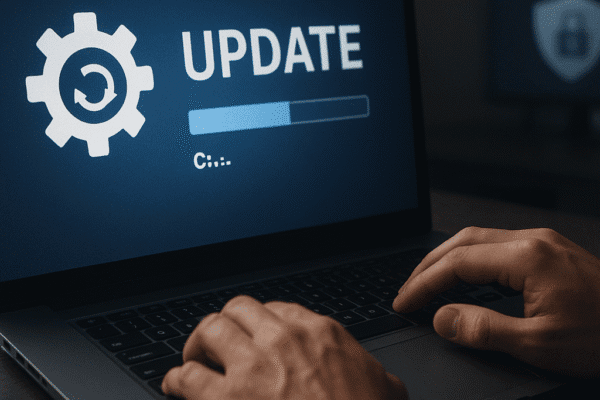
Why Regular Software Updates Are Crucial for Security

Regular software updates serve as the backbone of a robust cybersecurity strategy for modern businesses. Beyond simple bug fixes, these updates deliver crucial patches that address newly discovered vulnerabilities and strengthen systems against sophisticated attacks. By embedding updates into routine operational processes, organizations can safeguard sensitive data, protect intellectual property, and maintain customer trust. Enhancing defense against emerging threats Cybercriminals constantly evolve tactics, seeking weak points in code and system…

Read More