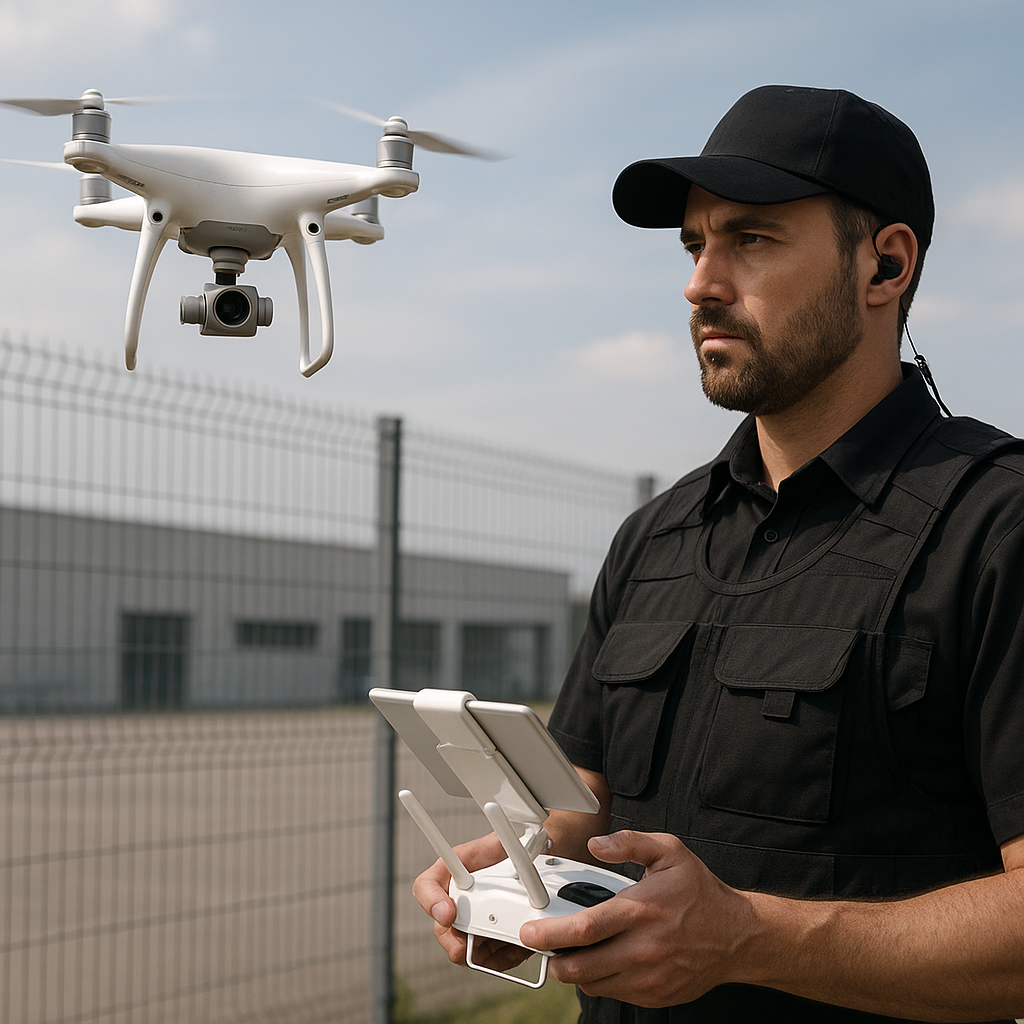
Integrating unmanned aerial vehicles into a corporate security framework can revolutionize perimeter monitoring and asset protection. By embracing advanced drones equipped with high-resolution cameras and sensors, organizations can enhance situational awareness and respond swiftly to potential threats. This article explores essential strategies for employing aerial systems safely, with emphasis on regulatory adherence, operational protocols, and data security within a business context.
Regulatory and Legal Considerations
Before deploying any aerial platform, global and local regulations must be thoroughly researched. Operating outside approved guidelines can lead to fines, legal challenges, and reputational damage. Ensuring full compliance establishes a firm foundation for a robust security program.
Understanding Airspace Classifications
- Identify restricted zones, such as airports or military installations.
- Consult national aviation authorities to determine allowable flight corridors.
- Leverage geofencing technology to automatically prevent intrusions into no-fly areas.
Operator Certification and Training
- Mandate remote pilot licenses or certifications as required by law.
- Implement recurrent training programs to keep teams current with evolving rules.
- Document all training sessions and maintain records to demonstrate regulatory adherence during audits.
Insurance and Liability Coverage
- Obtain specialized insurance policies covering aerial operations, equipment damage, and third-party liability.
- Assess risk exposure based on environment—urban, rural, or congested industrial sites.
- Engage legal counsel to draft waivers and agreements for private property overflights.
Operational Safety and Flight Planning
Precise mission planning is vital for minimizing hazards. An organized workflow ensures that each flight adheres to safety standards, thereby reducing the chance of accidents or operational failures.
Pre-Flight Checklist and Inspection
- Verify battery levels, propeller integrity, and firmware updates.
- Confirm payload functionality—thermal cameras, spotlight modules, or loudspeakers.
- Review weather forecasts, including wind speeds and precipitation probabilities.
Risk Assessment and Mitigation
- Conduct a risk assessment to identify potential collision points with buildings, trees, or power lines.
- Establish contingency procedures for lost-link scenarios, such as automatic return-to-home protocols.
- Coordinate with on-site security teams to maintain clear communication channels during flights.
Flight Path Optimization
- Design routes that maximize coverage while preserving battery life.
- Use mapping software to automate repetitive sweeps and ensure consistent surveillance patterns.
- Implement failsafe waypoints to safely land or hover over secure locations if anomalies occur.
Data Management and Privacy Protection
Capturing video and sensor output is only the beginning. Protecting this information from unauthorized access and addressing privacy concerns are critical to maintaining trust and legal compliance.
Secure Data Transmission and Storage
- Apply end-to-end encryption during real-time video streaming to control centers.
- Utilize secure cloud solutions with role-based access controls for storing flight logs and recordings.
- Implement automatic overwrite schedules to limit data retention in accordance with company policies.
Privacy Impact Assessments
- Evaluate the necessity and proportionality of surveillance in public-facing operations.
- Publish transparent notices regarding aerial monitoring to employees and visitors.
- Engage with privacy officers or legal departments to address potential infringements.
Data Analysis and Incident Reporting
- Use AI-driven video analytics to detect suspicious behavior or perimeter breaches.
- Set up automated alert systems for unauthorized entries or loitering near sensitive zones.
- Maintain an incident log, detailing timestamps, flight metadata, and corrective actions taken.
Maintenance, Upgrades, and Continuous Improvement
Regular upkeep of aerial assets ensures reliability and operational longevity. A structured maintenance regimen, paired with strategic upgrades, fortifies the security framework against evolving threats.
Routine Equipment Servicing
- Schedule periodic inspections for motors, sensors, and battery health.
- Replace worn components proactively to prevent in-field failures.
- Document each maintenance activity to track performance trends over time.
Software Patches and Feature Enhancements
- Stay current with firmware updates that address vulnerabilities or improve flight stability.
- Test new features—such as obstacle avoidance algorithms or extended range modules—before full deployment.
- Coordinate with manufacturers to obtain certified parts and software releases.
Performance Metrics and Auditing
- Define key performance indicators, including mission success rate and mean time between failures.
- Conduct regular audits to verify compliance with internal policies and external regulations.
- Use audit findings to refine operational procedures and enhance overall security posture.
Integrating Human Oversight and Ethical Practices
While automation streamlines surveillance tasks, human judgment remains indispensable for interpreting data and making critical decisions. Ethical considerations ensure that drone operations respect individual rights and corporate values.
Human-in-the-Loop Controls
- Retain manual override capabilities for emergency interventions.
- Train operators to recognize false positives generated by automated analytics.
- Develop escalation protocols for ambiguous situations requiring managerial approval.
Ethical Use Guidelines
- Define acceptable use cases, avoiding intrusive recording of non-business areas.
- Establish clear boundaries for data sharing with third parties and law enforcement.
- Promote an internal code of conduct that aligns with organizational values.
By implementing these best practices, businesses can safely leverage drone technology to bolster perimeter defense, improve asset protection, and streamline incident response. A focus on meticulous planning, stringent regulations, robust data governance, and ongoing maintenance will ensure aerial surveillance operations deliver maximum value without compromising legal or ethical standards.