Ensuring the secure storage and transportation of sensitive materials is a critical component of modern business security. Organizations handling confidential data, proprietary documents, or valuable assets must prioritize robust procedures to protect their interests. By combining strategic planning, advanced technologies, and rigorous protocols, companies can minimize risks and uphold the highest standards of confidentiality and integrity.
Assessing Risk and Operational Requirements
Before selecting storage or transportation methods, businesses must conduct a comprehensive risk assessment. Identifying potential vulnerabilities and defining the scope of materials are foundational steps.
- Inventory Analysis: Catalog every asset or document requiring protection, noting classification levels, legal obligations, and retention periods.
- Threat Modeling: Evaluate internal and external threats, from unauthorized access to theft, environmental hazards, or data breaches.
- Regulatory Compliance: Determine applicable regulations such as GDPR, HIPAA, or industry-specific standards, ensuring all processes align with legal requirements.
- Impact Evaluation: Assess the consequences of a security incident, including financial losses, reputational damage, and operational downtime.
By establishing a clear understanding of risks, organizations can design tailored security solutions that address both present needs and future scalability.
Secure Storage Solutions
Robust on-site and off-site storage options are essential for safeguarding sensitive materials against unauthorized access, tampering, or environmental threats.
Physical Security Measures
- Reinforced Facilities: Employ vaults or server rooms with ballistic-grade doors, hardened walls, and tamper-resistant locks.
- Access Control: Implement multi-factor authentication systems, biometric scanners, and personalized keycards to restrict entry.
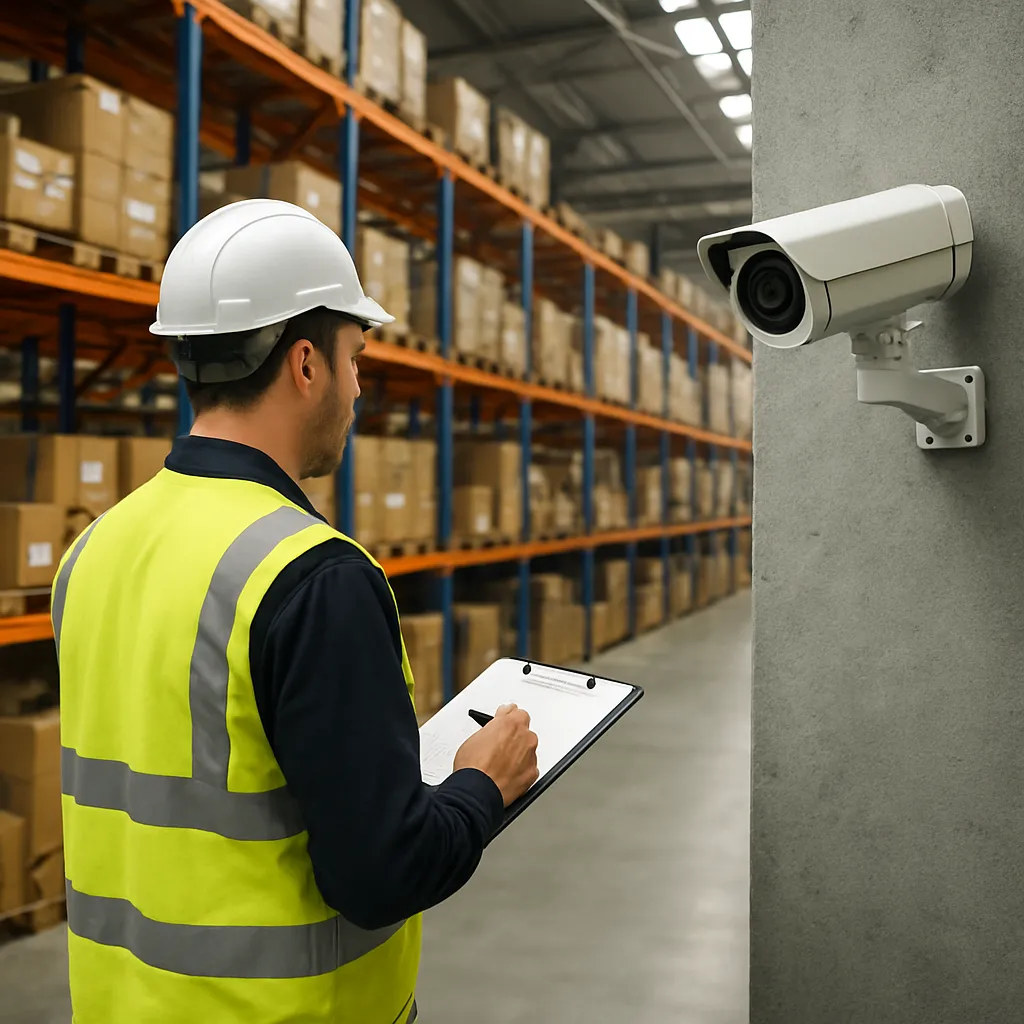
- Surveillance and Monitoring: Deploy 24/7 CCTV, motion detectors, and intrusion alarms to detect and record suspicious activities.
- Security Personnel: Utilize trained guards and security patrols to maintain a visible deterrent and immediate response capability.
Environmental Controls
- Climate Regulation: Maintain constant temperature and humidity levels in storage areas to prevent degradation of documents, electronics, or specialized equipment.
- Fire Suppression: Install advanced fire detection and suppression systems, such as inert gas or water mist solutions, that minimize collateral damage.
- Flood Protection: Elevate critical storage above flood plains, incorporate waterproof seals, and deploy sump pumps to mitigate water ingress.
Digital and Data Security
- Encryption at Rest: Encrypt hard drives, storage arrays, and backup media using AES-256 or stronger algorithms to protect data at rest.
- Data Segmentation: Isolate sensitive files on dedicated servers or networks, reducing the attack surface for potential intruders.
- Redundancy and Backup: Implement off-site replication and routine backups to ensure resilience against hardware failures or cyber incidents.
Safe Transportation Practices
Transporting sensitive materials introduces unique challenges, requiring meticulous planning to preserve security throughout the journey.
Packaging Standards and Tamper-Evidence
- Secure Containers: Use tamper-evident, lockable cases built from impact-resistant materials. Ensure each container is uniquely numbered and tracked.
- Labeling Protocols: Avoid explicit external labels indicating value or content. Employ coded markings and shipping manifests accessible only to authorized personnel.
- Packing Procedures: Cushion internal contents to prevent damage. Use seal-imprint technology to reveal any unauthorized opening attempts.
Route Planning and Logistics
- Variable Itineraries: Randomize delivery routes and schedules to counteract potential surveillance or targeting by malicious actors.
- Secure Transit Vehicles: Outfit vehicles with GPS trackers, alarm systems, and reinforced compartments. Employ dual-driver systems to prevent single-point failures.
- Chain of Custody Documentation: Maintain detailed logs at each transfer point, recording personnel signatures, timestamps, and secure hand-off procedures.
Tracking and Real-Time Monitoring
- GPS and RFID Technologies: Monitor package location in real time, setting geofence alerts to highlight deviations from preapproved routes.
- Environmental Sensors: Incorporate temperature, humidity, and shock sensors to ensure sensitive materials remain within safe thresholds throughout transit.
- Incident Response Protocols: Establish clear escalation paths if an alert triggers, including immediate law enforcement notification or backup courier deployment.
Training, Policies, and Compliance
Even the most advanced systems depend on well-trained personnel and robust organizational policies. Regular training and strict adherence to protocols reinforce the security framework.
- Employee Onboarding: Educate new hires on security best practices, emphasizing personal accountability and awareness of vulnerability points.
- Routine Drills: Conduct mock scenarios covering breaches, lost shipments, or unauthorized access attempts. Evaluate response times and refine procedures.
- Clear Documentation: Maintain comprehensive policy manuals, standard operating procedures (SOPs), and checklists. Ensure all employees acknowledge and understand these documents.
- Audits and Assessments: Perform regular internal and external audits to verify compliance with regulations and identify areas for improvement.
Integrating Advanced Technologies
Emerging technologies offer innovative ways to enhance security measures and streamline operations.
- Blockchain for Provenance: Leverage blockchain ledgers to create immutable records of material transfers, bolstering traceability and trust.
- IoT-Enabled Devices: Utilize smart sensors and connected devices to gather real-time environmental and location data, feeding into centralized dashboards.
- Artificial Intelligence: Deploy AI-driven analytics to detect anomalous patterns in access logs, transport routes, or shipment durations.
- Mobile Security Apps: Provide couriers and security teams with secure communication channels, multi-factor authentication tools, and digital checklists.
By systematically assessing risks, implementing multi-layered physical and digital safeguards, and continually training staff, organizations can establish a clear edge in protecting sensitive materials. A proactive approach that combines strategic planning with cutting-edge technologies will reinforce the robust chain of custody and guarantee the uninterrupted flow of high-value assets.