Effective management of shared workspaces and coworking environments hinges on a balanced approach that addresses both tangible and intangible threats. From unauthorized entry to digital breaches, organizations must adopt comprehensive measures that safeguard people, data, and assets. This article explores a multi-faceted strategy—ranging from risk assessment and physical controls to network defenses and security culture—designed to minimize vulnerabilities while promoting a collaborative atmosphere.
Assessing Security Risks in Shared Workspaces
Before deploying any controls, it is essential to conduct a thorough risk assessment. Identifying potential weak points provides the foundation for a targeted plan that aligns with organizational objectives and **compliance** mandates. Key steps include:
- Surveying Entry Points: Evaluate doors, windows, air vents, and communal zones to identify areas susceptible to unauthorized access.
- Analyzing User Profiles: Distinguish between full-time staff, freelancers, guests, and maintenance personnel, each carrying different trust levels and needs.
- Reviewing Asset Inventories: Create a detailed list of hardware, documents, and **confidentiality**-sensitive items present in the workspace.
- Mapping Digital Footprints: Catalog Wi-Fi networks, cloud services, and shared printers to understand where data may be exposed.
- Assessing Workflow Patterns: Observe peak traffic hours, collaboration hotspots, and private meeting rooms to anticipate security challenges.
Once collected, these insights empower security teams to allocate resources efficiently, ensuring that high-risk areas receive heightened attention.
Implementing Physical Security Measures
Securing the physical perimeters and internal zones of a shared workspace is the first line of defense against intrusion. A layered approach combines deterrence, detection, and response:
- Access Control Systems: Install card readers, biometric scanners, or mobile access credentials. Integrate with a central directory to manage permissions dynamically.
- CCTV Monitoring: Deploy cameras in public corridors, entryways, and reception areas. Ensure video feeds are encrypted and stored securely for a defined retention period.
- Visitor Management: Log every guest using a digital kiosk that captures identification and purpose of visit. Issue temporary ID badges with visual expiration cues.
- Secure Locking Mechanisms: Use electronic locks on private offices and cabinets. Consider timed lockouts to prevent tailgating or door propping.
- Environmental Controls: Implement smoke detectors, water leak sensors, and temperature monitors to mitigate damage from non-human threats.
By combining monitoring technologies with physical barriers, coworking providers can quickly detect anomalies and initiate incident response protocols.
Securing Digital Infrastructure
In a landscape where remote work and cloud services dominate, digital safeguards are paramount. A robust cybersecurity framework addresses network, endpoint, and data security:
Network Security and Segmentation
- Guest vs. Member Networks: Segregate Wi-Fi SSIDs. Apply bandwidth controls and firewall rules that limit communication between guest devices and critical internal servers.
- Virtual LANs (VLANs): Use VLAN tags to isolate sensitive zones, such as finance or HR, from the general workspace network.
- Secure VPN Access: Offer a VPN service for remote users. Enforce strong **authentication** methods like multi-factor authentication (MFA) to reduce unauthorized access.
Endpoint Protection and Patch Management
- Antivirus and EDR Solutions: Deploy endpoint detection and response tools to identify malicious activity on laptops, desktops, and shared devices.
- Automatic Updates: Implement centralized patch management for operating systems, office suites, and network appliances to eliminate known vulnerabilities.
- Device Encryption: Mandate full-disk encryption for company-owned equipment. Encourage members to secure personal devices with strong passcodes.
Data Security and Backup
- Encryption at Rest and in Transit: Ensure all sensitive files are encrypted when stored in the cloud or transferred across public networks.
- Backup Policies: Schedule frequent backups to offsite or immutable storage. Test recovery procedures quarterly to validate integrity.
- Access Auditing: Log file access events, including read, write, and delete operations. Retain logs for regulatory or forensic purposes.
Fostering a Culture of Security Awareness
Even the most advanced tools falter without vigilant personnel. Building a proactive security culture encourages everyone to contribute to collective defense:
- Regular Training Sessions: Offer quarterly workshops on phishing recognition, secure password practices, and incident reporting procedures.
- Clear Security Policies: Publish concise guidelines covering acceptable use, data handling, and visitor protocols. Make policies easily accessible online.
- Incident Response Drills: Conduct simulated breaches to test readiness. Evaluate response times and communication channels for continuous improvement.
- Anonymous Reporting Channels: Provide an online form or hotline where employees and members can flag suspicious activities without fear of reprisal.
- Recognition Programs: Reward individuals or teams who demonstrate exceptional security practices, reinforcing positive behaviors.
By embedding **awareness** into the daily routine, organizations can swiftly identify anomalies and mitigate risks before they escalate.
Maintaining Ongoing Compliance and Continuous Improvement
Shared workspaces often host multiple companies subject to different regulatory frameworks—GDPR, HIPAA, or industry-specific standards. To stay aligned:
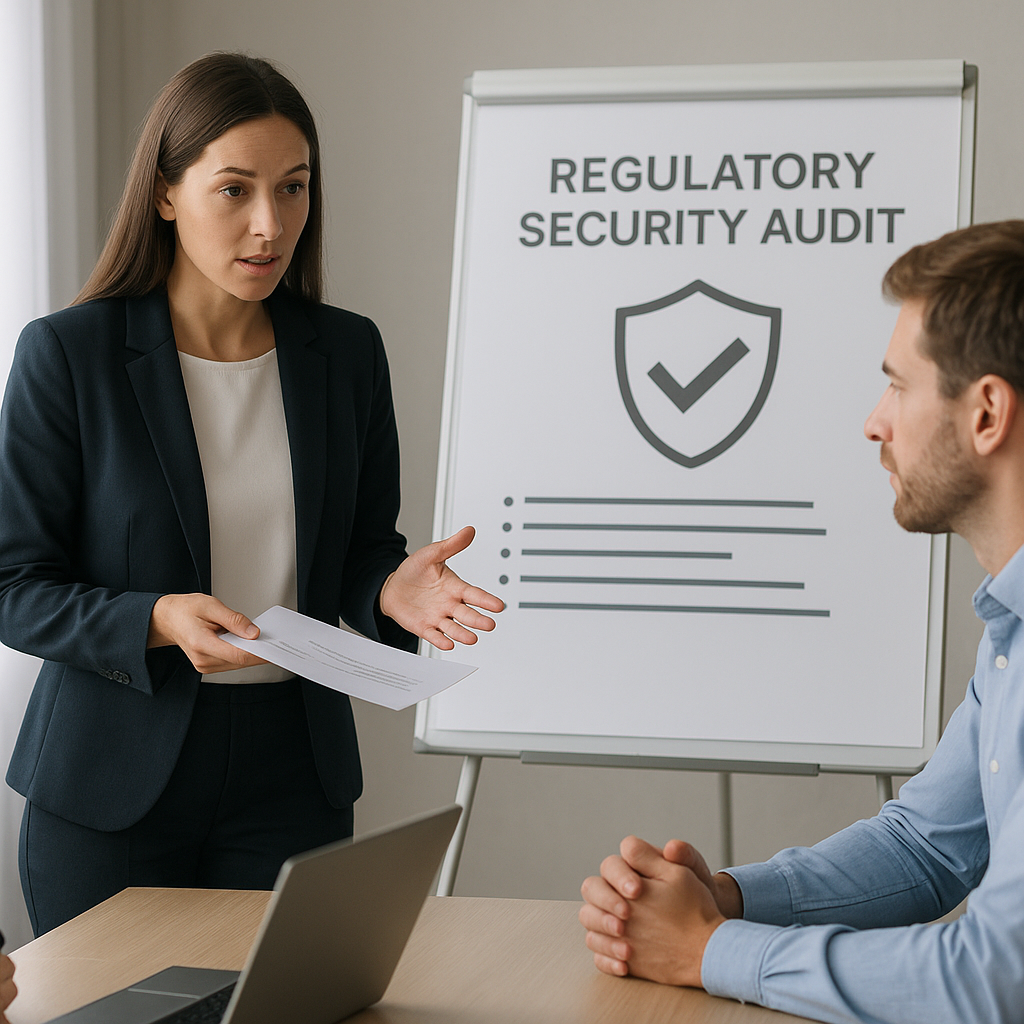
- Conduct Periodic Audits: Engage third-party assessors to evaluate both physical and digital controls against relevant **protocols**.
- Update Policies Promptly: Adapt procedures in response to new threats, legal changes, or member feedback.
- Vendor Due Diligence: Review the security posture of third-party service providers, from cleaning crews to cloud platforms.
- Document Everything: Maintain detailed records of risk assessments, training logs, and incident reports to demonstrate accountability.
- Leverage Analytics: Use security information and event management (SIEM) tools to correlate logs and identify emerging trends.
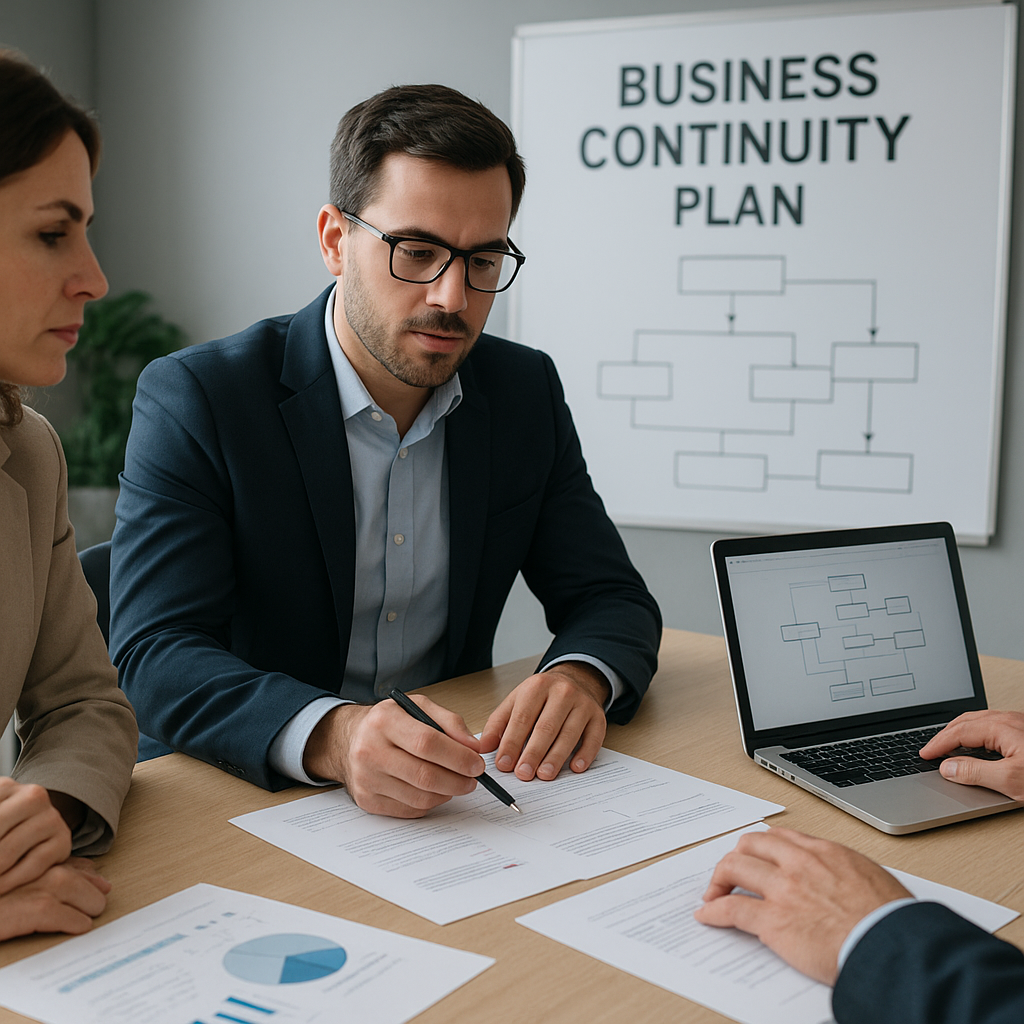
Ongoing evaluation and adaptation ensure that the security program remains resilient against evolving threats, preserving both trust and business continuity.