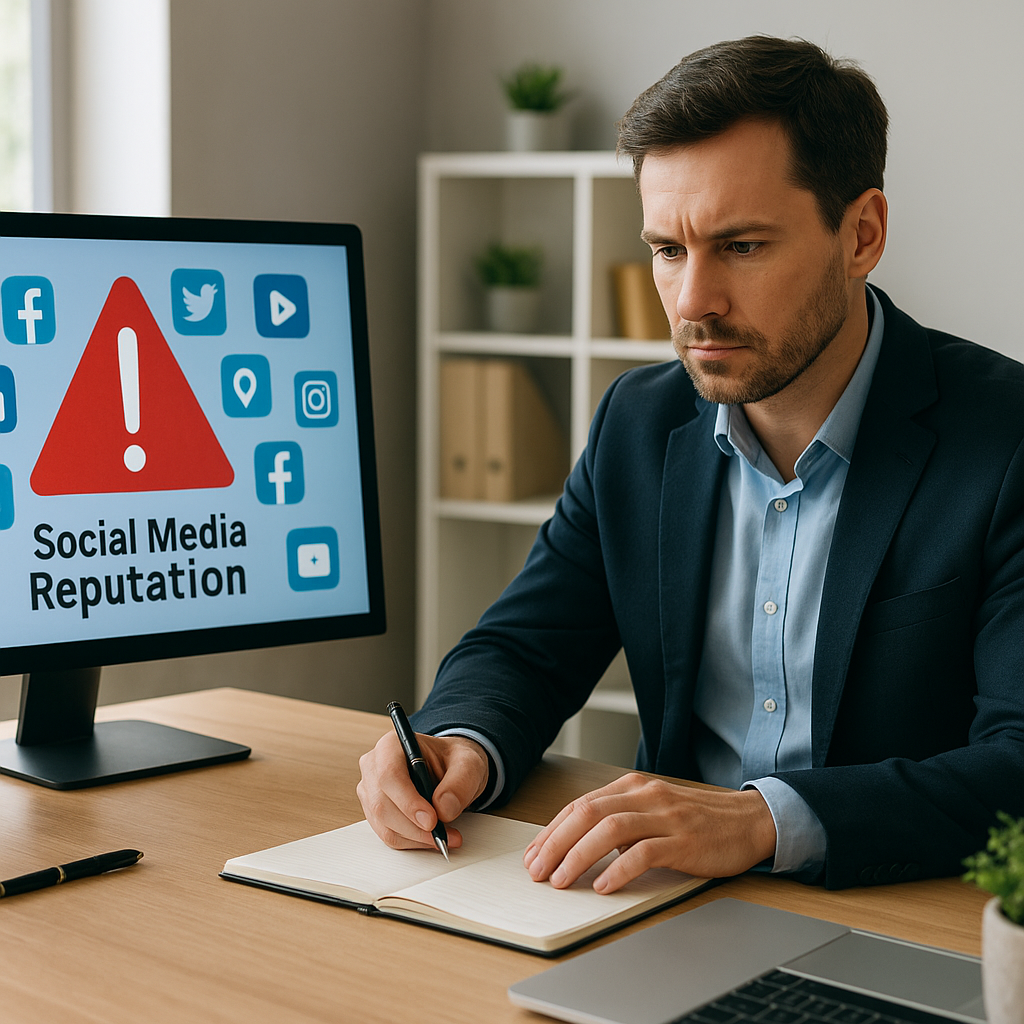
Social media has become an indispensable channel for companies to engage audiences and build community, but it also presents significant vulnerabilities that can harm a brand’s reputation. By proactively addressing potential pitfalls and establishing a resilient framework, businesses can safeguard their brand image and maintain stakeholder trust.
Identifying and Assessing Social Media Risks
A thorough risk assessment lays the groundwork for any security strategy. Organizations must first understand the diverse range of threats emerging across platforms like Twitter, Facebook, LinkedIn and newer networks such as TikTok. Risks can stem from both external actors and internal missteps:
- Unauthorized account takeovers and credential theft
- Leaks of sensitive or confidential information
- Negative viral campaigns and coordinated disinformation
- Employee mishandling of social channels
- Regulatory non-compliance leading to fines or legal action
By cataloguing these hazards, businesses can prioritize resources and craft targeted controls to minimize potential damage to their reputation and customer confidence.
Establishing Robust Social Media Policies and Training Programs
A comprehensive policy acts as a blueprint for secure and consistent social media engagement. It should define permissible behavior, outline approval processes and clarify the distinction between official corporate channels and personal accounts.
- Role-based access controls to limit administrative privileges
- Content approval workflows to prevent accidental disclosures
- Guidelines for acceptable tone, language and visual assets
- Clear escalation paths for potential incidents
- Regular policy reviews to reflect evolving risks
Creating Clear Usage Guidelines
Effective guidelines empower team members to post responsibly. Key aspects include:
- Instructions on handling customer inquiries and complaints
- Rules for sharing proprietary data and third-party content
- Standards for crisis communication and rapid escalation
These directives help maintain brand consistency and prevent missteps that could damage the corporate image.
Employee Training and Awareness
Well-informed employees are a company’s first line of defense. Develop a recurring training curriculum that covers:
- Recognizing phishing attempts and social engineering ploys
- Securing personal devices used for work-related posting
- Reinforcing the importance of the corporate digital footprint
- Practical response drills for hypothetical scenarios
Interactive workshops and real-world simulations ensure staff internalize best practices and understand the repercussions of policy breaches.
Monitoring, Incident Response, and Crisis Management
Continuous monitoring of social channels is critical for early detection of suspicious activity or negative sentiment. Deploy social listening tools to track brand mentions, emerging trends and competitor behavior in real time.
- Automated alerts for spikes in negative sentiment or volume
- Keyword filters to flag potential compliance violations
- Dashboards consolidating data from multiple platforms
Developing Incident Response Plans
An actionable incident response playbook outlines step-by-step procedures for containment, investigation and remediation. It should include:
- Roles and responsibilities for cross-functional teams
- Communication templates for internal and external audiences
- Legal and PR checkpoints to ensure compliance
- Post-incident review protocols to identify lessons learned
Having a rehearsed response minimizes downtime and prevents miscommunication during high-pressure events.
Effective Crisis Communication
In the event of a reputational threat—whether a data breach slip-up or a misinformation campaign—the speed and clarity of your messaging are paramount. Follow these guidelines:
- Issue a timely acknowledgement of the situation
- Deliver transparent updates as facts emerge
- Designate trained spokespeople for consistent brand voice
- Engage directly with affected stakeholders and influencers
Swift, honest engagement helps restore confidence and curbs the spread of rumors.
Leveraging Technology for Proactive Defense
Advances in artificial intelligence and automation have revolutionized social media security. Implementing intelligent solutions enables organizations to stay ahead of threats:
- AI-driven content analysis to detect hate speech or leaks
- Automated account verification processes
- Machine learning models for sentiment forecasting
- Integration of threat intelligence feeds for early warnings
- Secure single sign-on and multi-factor authentication
By harnessing cutting-edge tools, companies can reduce manual overhead, accelerate threat detection and ensure that their public-facing profiles remain secure and trustworthy. A robust blend of policy, training and technology forms the cornerstone of an effective social media risk management strategy, enabling organizations to preserve their hard-earned guidelines, reputation and market position in an increasingly interconnected world.