Insider threats can quietly undermine an organization’s security posture, leading to data breaches, financial losses, and reputational damage. Balancing robust protection with a culture of trust demands a nuanced approach. This article explores comprehensive strategies to detect, prevent, and respond to insider risks while maintaining a collaborative environment that empowers employees and safeguards sensitive assets.
Identifying and Assessing Insider Threats
Understanding Types of Insider Risks
Organizations face a spectrum of insider threats, each driven by different motivations. Recognizing these categories lays the foundation for effective mitigation:
- Malicious insiders intentionally harm the company by stealing data or sabotaging systems.
- Negligent insiders cause damage through carelessness, such as falling for phishing scams or misconfiguring servers.
- Third-party insiders, including contractors and vendors, introduce vulnerabilities through inadequate security practices.
Conducting a Risk Assessment
A thorough risk assessment identifies high-value assets and evaluates employee access. Key steps include:
- Inventorying critical systems, intellectual property, and customer data.
- Mapping user privileges to specific roles and responsibilities.
- Analyzing previous incidents to uncover patterns and potential weak points.
- Prioritizing controls based on threat likelihood and business impact.
Implementing Continuous Monitoring
Effective detection hinges on real-time visibility. Deploy solutions that monitor behavior anomalies without infringing on privacy:
- User and Entity Behavior Analytics (UEBA) tools flag unusual access patterns and data transfers.
- Data Loss Prevention (DLP) systems restrict sensitive file movements and enforce encryption.
- Security Information and Event Management (SIEM) platforms correlate logs to reveal suspicious activities.
Implementing Proactive Security Measures
Zero Trust Architecture
Adopting a Zero Trust model means assuming no user or device is automatically trustworthy. Key principles include:
- Least-privilege access: Grant permissions only as needed for specific tasks.
- Microsegmentation: Divide the network into isolated zones to limit lateral movement.
- Continuous authentication: Employ multi-factor authentication (MFA) and adaptive risk checks.
Robust Access Controls
Strong access management reduces the attack surface and prevents unauthorized data exposure:
- Role-Based Access Control (RBAC) ensures users receive only necessary privileges.
- Just-In-Time (JIT) access provisions temporary elevation for critical operations.
- Privileged Access Management (PAM) solutions monitor and record sessions of high-level accounts.
Data Protection and Encryption
Encrypting data both at rest and in transit thwarts attempts to exfiltrate sensitive information:
- Use full-disk encryption on laptops and mobile devices.
- Implement TLS/SSL for network communications, especially for remote access.
- Employ tokenization to mask personally identifiable information (PII) in production systems.
Building a Culture of Trust and Transparency
Employee Education and Awareness
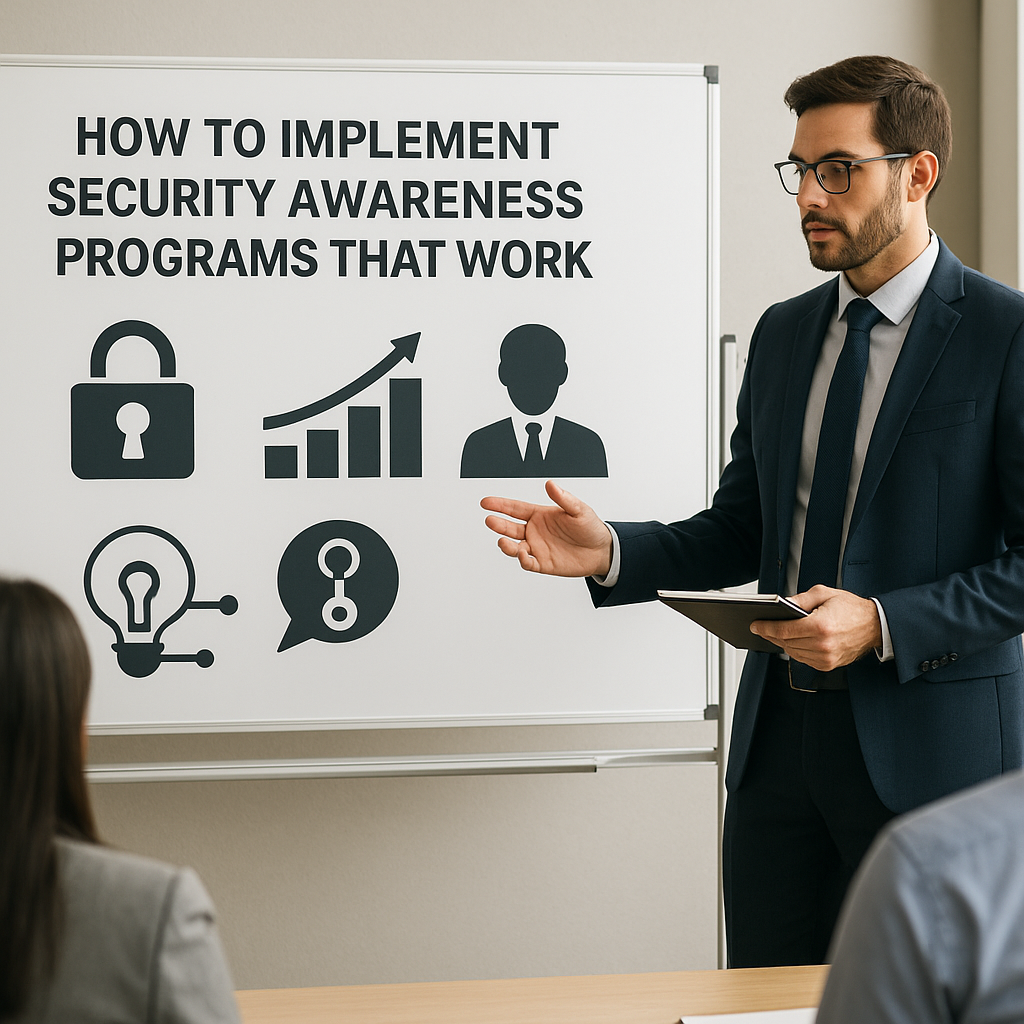
Human error often triggers security lapses. Empower staff through ongoing training:
- Phishing simulations to reinforce best practices in email security.
- Interactive workshops covering secure coding, social engineering, and incident reporting.
- Updates on emerging threats, keeping employees informed and vigilant.
Clear Policies and Accountability
Well-defined guidelines set expectations and foster responsibility:
- Develop an insider threat policy that outlines acceptable use, monitoring practices, and disciplinary procedures.
- Ensure all employees acknowledge and understand compliance requirements.
- Assign a dedicated insider threat program manager to oversee policy enforcement.
Encouraging Open Communication
A transparent environment deters malicious behavior and accelerates incident response:
- Establish multiple reporting channels, including anonymous options.
- Publicize success stories where early reporting prevented a breach.
- Foster collaboration between IT, security, HR, and legal teams to address concerns.
Responding to Insider Incidents Effectively
Incident Response Planning
A robust plan outlines roles, processes, and escalation paths:
- Define clear decision authority and communication protocols.
- Incorporate legal and regulatory considerations, especially for data privacy.
- Run tabletop exercises to refine workflows and identify gaps.
Forensic Investigation and Remediation
Swift investigation limits damage and restores normal operations:
- Preserve logs and evidence in a secure, tamper-evident manner.
- Analyze root causes to strengthen preventive controls.
- Implement corrective actions promptly, from password resets to system patches.
Maintaining Employee Trust
Handling incidents with empathy reinforces confidence in leadership:
- Communicate transparently about the scope and impact of an event.
- Provide counseling and support for teams affected by insider misconduct.
- Solicit feedback to improve policies and detection mechanisms.
Conclusion
Addressing insider threats without eroding trust requires a balance of advanced technology, clear processes, and a people-centric mindset. By combining continuous monitoring, strong access controls, and a culture of transparency, organizations can deter malicious actions while empowering employees to act as vigilant guardians of critical assets.