Ensuring physical safety across construction companies demands a strategic blend of preventive strategies, systematic oversight, and continuous improvement. By integrating robust measures into every phase of a project—from initial planning to final handover—organizations can mitigate on-site dangers, protect workers, and safeguard assets. The following sections delve into essential aspects of building a resilient safety culture and outline actionable steps for achieving operational excellence in construction sites.
Identifying and Conducting Comprehensive Risk Assessments
A thorough risk assessment forms the cornerstone of any effective safety program. Construction companies must map out potential threats, rank them by severity, and develop tailored mitigation strategies. Begin with a site-wide survey to pinpoint high-risk zones—such as excavation pits, scaffolding platforms, and heavy-equipment zones—and involve cross-functional teams in hazard evaluation.
- Perform a baseline survey using digital tools, wearable sensors, and manual inspections.
- Document hazard identification findings in a centralized platform for real-time updates.
- Assign risk scores based on probability and impact, then prioritize corrective actions.
Periodic reviews of these assessments ensure that emerging risks—like weather-related issues or new material handling challenges—are captured promptly. Engage safety officers, project managers, and front-line workers in open forums to refine risk matrices. This collaborative approach fosters both accountability and a shared understanding of evolving site dynamics.
Implementing Standard Operating Procedures and Safety Protocols
Once hazards are identified, translating insights into well-defined protocols and standard operating procedures is critical. Procedures should address every stage of construction activity, from material delivery and storage to demolition and final inspections. Clear, accessible documentation helps maintain consistency and compliance with industry regulations.
Key elements to include in your SOPs:
- Step-by-step checklists for machinery startups, routine inspections, and shutdowns.
- Communication workflows that outline escalation paths for safety incidents.
- Roles and responsibilities matrix to ensure accountability across all levels.
Digitalizing these documents via mobile apps or intranet portals offers on-the-go access for field personnel. Integrate sign-off features and timestamped acknowledgments to verify that every team member understands and adheres to the prescribed compliance standards.
Managing Equipment, Personal Protective Equipment, and Maintenance
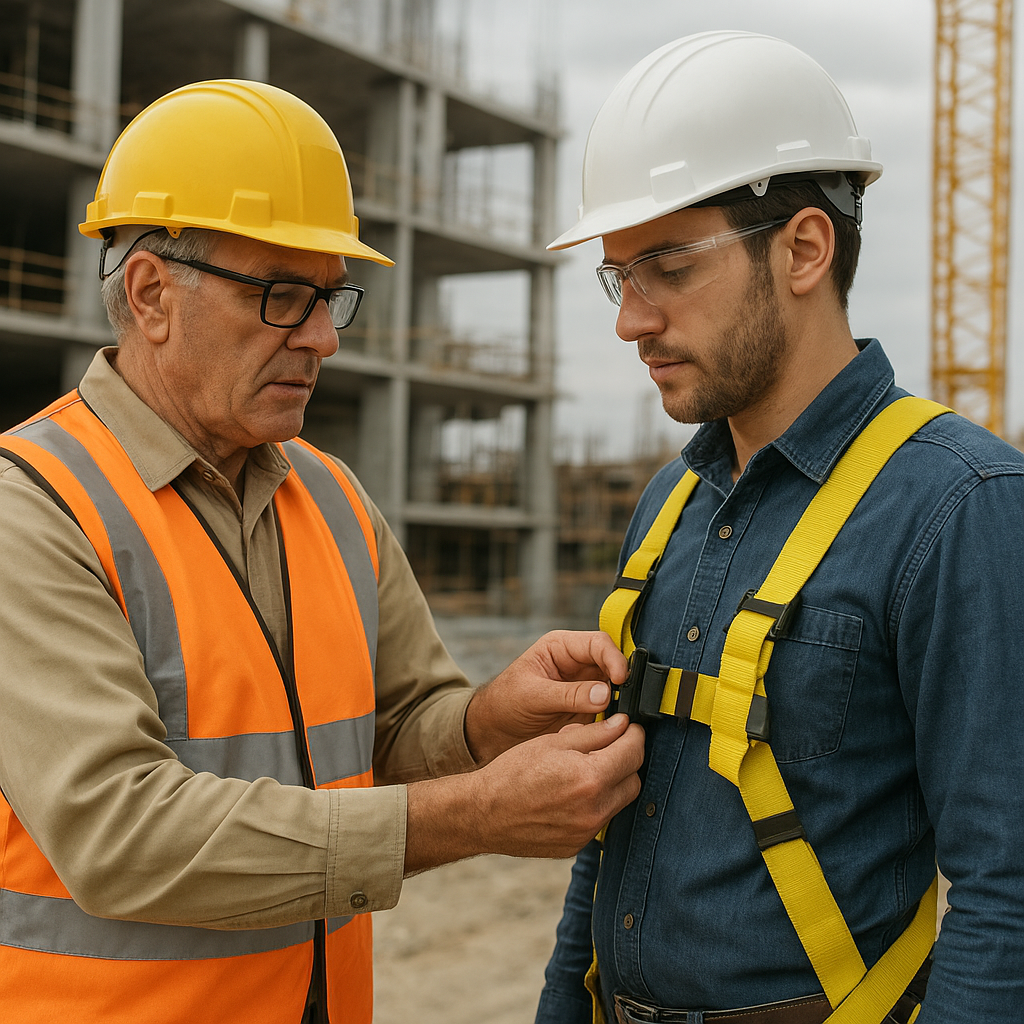
Proper management of heavy machinery and PPE is indispensable for reducing workplace injuries. Equipment must meet design specifications, undergo routine inspections, and be serviced according to manufacturer guidelines. Simultaneously, workers require well-fitting helmets, high-visibility vests, gloves, and respirators suitable for the tasks at hand.
- Establish an inventory tracking system for all tools, vehicles, and safety gear.
- Schedule preventive maintenance—including lubrication, part replacements, and calibration—at launch of each project phase.
- Implement a ‘before-use’ checklist for operators to confirm functional integrity.
Failure to maintain equipment or distribute proper PPE not only increases accident exposure but can also undermine workforce morale. Ensure logistics teams coordinate closely with safety officers to monitor stock levels, expiration dates, and certification renewals. Electronic alerts for upcoming service windows or replacement needs help avoid lapses that expose workers to undue risk.
Empowering the Workforce through Training, Communication, and Emergency Response
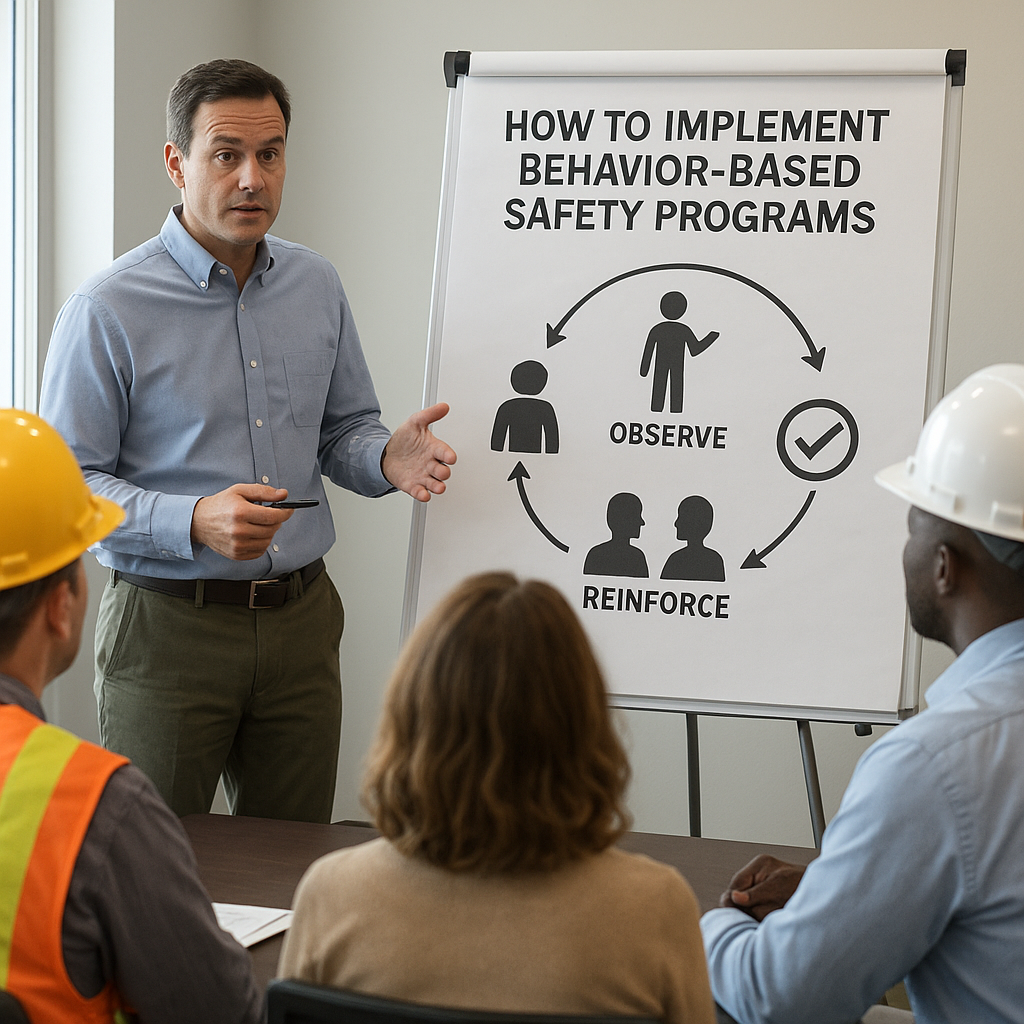
Investing in continuous training fosters a proactive safety culture where employees feel empowered to identify hazards and intervene early. Training modules should cover equipment operation, site protocols, hazard recognition, and first-aid basics. Use a variety of delivery methods—classroom sessions, e-learning, and on-site drills—to reinforce learning.
- Conduct regular toolbox talks focused on specific risks and best practices.
- Leverage virtual reality or simulations for immersive skill-building exercises.
- Establish multilingual signage and safety bulletins to support diverse teams.
Effective communication channels—both digital and face-to-face—ensure critical information reaches every worker swiftly. Create a mobile alert system for weather warnings, hazard updates, and evacuation orders. In tandem, develop a comprehensive emergency response plan outlining first-responder roles, assembly points, and medical evacuation protocols. Frequent mock drills validate readiness and highlight areas for refinement.
Monitoring Performance, Audits, and Continuous Improvement
To sustain a high level of safety, organizations must embrace ongoing monitoring and incident reporting frameworks. Collect data on near-misses, injury rates, equipment downtime, and audit findings. Advanced analytics can uncover hidden patterns—such as recurring safety lapses during particular shifts or tasks—and guide targeted interventions.
- Implement closed-loop audit systems that track corrective action completion.
- Use key performance indicators (KPIs) like lost-time injury frequency rates (LTIFR) and safety observation counts.
- Solicit anonymous feedback through digital portals to surface ground-level concerns.
Benchmark results against industry standards and internal goals to gauge effectiveness. Establish cross-project safety committees to share lessons learned and replicate best practices. By embedding a cycle of review, feedback, and adaptation, construction companies can drive perpetual enhancements—ultimately delivering safer worksites and bolstering operational resilience.