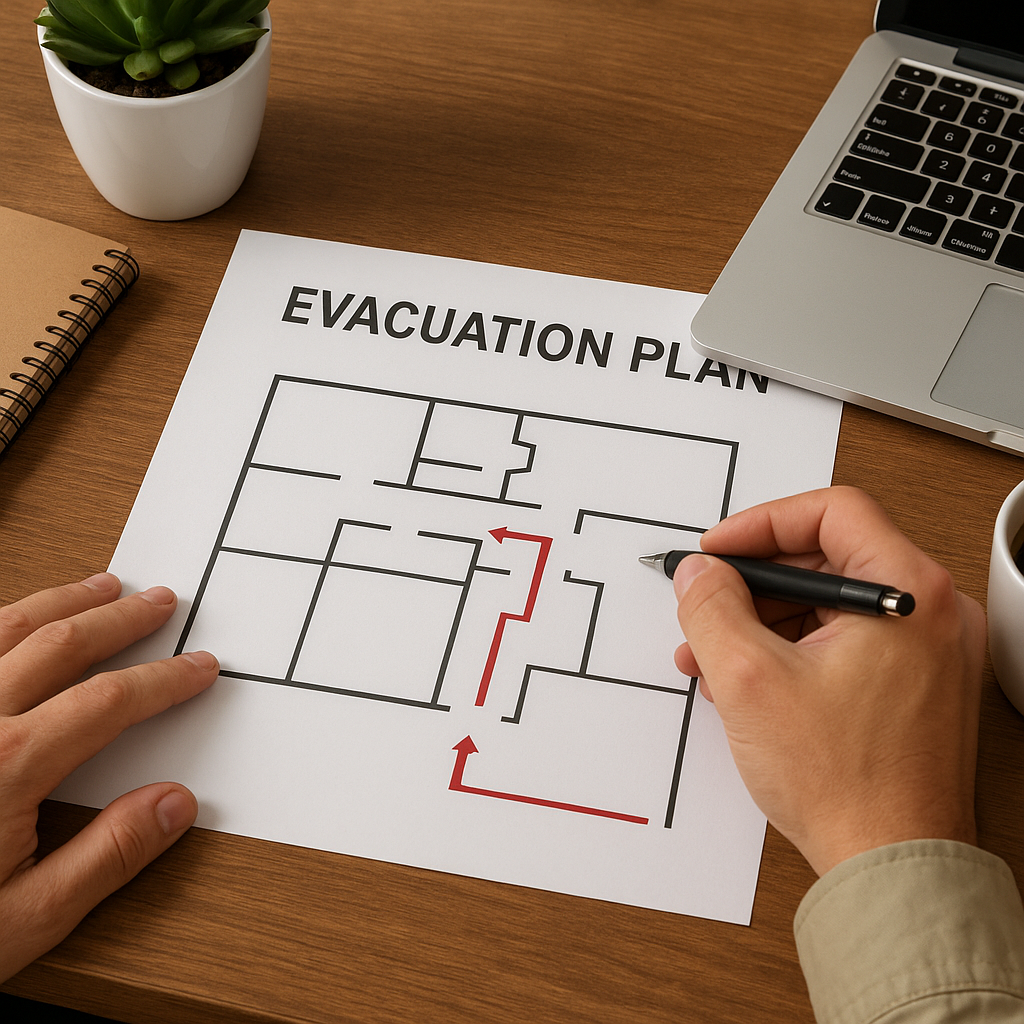
Ensuring a structured response to emergencies is a cornerstone of any robust safety program. A well-crafted evacuation plan not only protects lives but also safeguards organizational assets and reputation. Crafting such a plan involves detailed analysis, clear communication, comprehensive training, and continuous evaluation. The following guide outlines practical steps to develop, implement, and maintain an effective evacuation strategy for employees.
Assessing Risks and Identifying Hazards
An evacuation plan must begin with a thorough risk assessment. Understanding the specific threats your facility faces allows you to tailor procedures and resources accordingly.
Conducting a Site Survey
- Map out all entry and exit points, stairwells, elevators, and zones of refuge.
- Identify areas with potential fire hazards, chemical storage, high-voltage equipment, or heavy machinery.
- Document the capacity of gathering areas and the maximum number of occupants.
Analyzing Threat Scenarios
- Fire outbreak: Evaluate the likelihood based on electrical systems, flammable materials, and historical data.
- Natural disasters: Flooding zones, seismic activity, hurricanes, or severe weather patterns for your region.
- Security incidents: Unauthorized intruders, workplace violence, or active shooter scenarios.
During this phase, assign responsibilities to a multidisciplinary team comprising security experts, facilities managers, and human resources. Their collective expertise will ensure that no hazard is overlooked.
Designing the Evacuation Strategy
Once risks are identified, translate them into actionable procedures. The evacuation strategy should clearly define roles, routes, and methods of safe egress.
Establishing Evacuation Zones and Routes
- Primary routes: The fastest and safest paths away from danger, avoiding potential hazard areas.
- Secondary routes: Alternative paths in case primary routes are compromised.
- Assembly points: Predefined equipment-free zones where employees gather for headcount checks.
Assigning Roles and Duties
- Floor Wardens: Oversee evacuation per floor, ensuring no one is left behind.
- First Aid Responders: Provide medical assistance and coordinate with emergency services.
- Security Personnel: Control access points and maintain order during the evacuation.
Integration with Emergency Services
Coordinate with local fire departments, medical responders, and law enforcement. Share floor plans, hazard assessments, and key contacts to facilitate a timely and effective response.
Implementing Communication Channels
Clear and reliable communication is vital during an emergency. Multiple channels help ensure messages reach all employees, including those with special needs.
Alert Systems
- Audible alarms: Sirens and public address announcements with distinct tones for different emergencies.
- Visual alerts: Flashing lights or digital displays in corridors and workspaces.
- Mobile notifications: SMS alerts or push notifications through a company app.
Dedicated Communication Team
Form a small team tasked with monitoring alerts, disseminating updates, and liaising with external agencies. Equip them with backup radios and power banks to ensure uninterrupted service.
Training Employees and Conducting Drills
Regular training embeds the evacuation plan into the organizational culture. Simulated emergencies help employees internalize procedures and respond instinctively.
Orientation and Onboarding
- Include evacuation procedures in new-hire orientation materials.
- Provide easy-to-read floor maps with highlighted exit routes.
- Offer quick reference cards listing assembly points and key contacts.
Scheduled Drills
- Quarterly fire drills, alternating between day and night shifts.
- Annual full-scale evacuation exercises involving local emergency services.
- Scenario-based drills for flood evacuation or active threat response.
After each drill, collect feedback via surveys or debrief sessions. Identify bottlenecks, communication lapses, or mobility challenges that occurred. Use this data to refine the plan continuously.
Maintaining the Plan and Ensuring Compliance
An evacuation plan is a living document. Regular maintenance and compliance checks keep it relevant and effective.
Periodic Reviews
- Bi-annual audits of site changes: construction, renovation, or layout updates.
- Review of technology systems: alarms, sensors, and communication platforms.
- Policy updates reflecting new regulations or best practices in business security.
Documentation and Record Keeping
- Maintain logs of all drills, attendance lists, and after-action reports.
- Archive training materials, safety data sheets, and hazard assessments.
- Store digital copies in a secure cloud repository for remote access.
Continuous Improvement
Establish a feedback loop where employees can report safety concerns or suggest enhancements. A culture of open dialogue drives innovation and ensures the evacuation plan evolves alongside business operations.
Evaluating Performance and Readiness
Measuring the effectiveness of your evacuation plan ensures the organization stays prepared. Use key performance indicators and inspections to gauge readiness.
Key Performance Indicators (KPIs)
- Evacuation time: Average duration from alarm to all-clear assembly.
- Drill participation rate: Percentage of employees actively engaging in exercises.
- Incident response: Time taken for emergency services to arrive on-site.
Third-Party Assessments
Engage external auditors or safety consultants to provide unbiased evaluations. They can benchmark your plan against industry standards and recommend advanced drills or technologies for enhanced protection.
By systematically following these guidelines—assessing risks, designing clear strategies, ensuring robust communication, training rigorously, maintaining compliance, and evaluating performance—organizations can achieve a high level of preparedness. An effective evacuation plan not only meets regulatory obligations but also fosters a secure environment where employees feel empowered and protected.