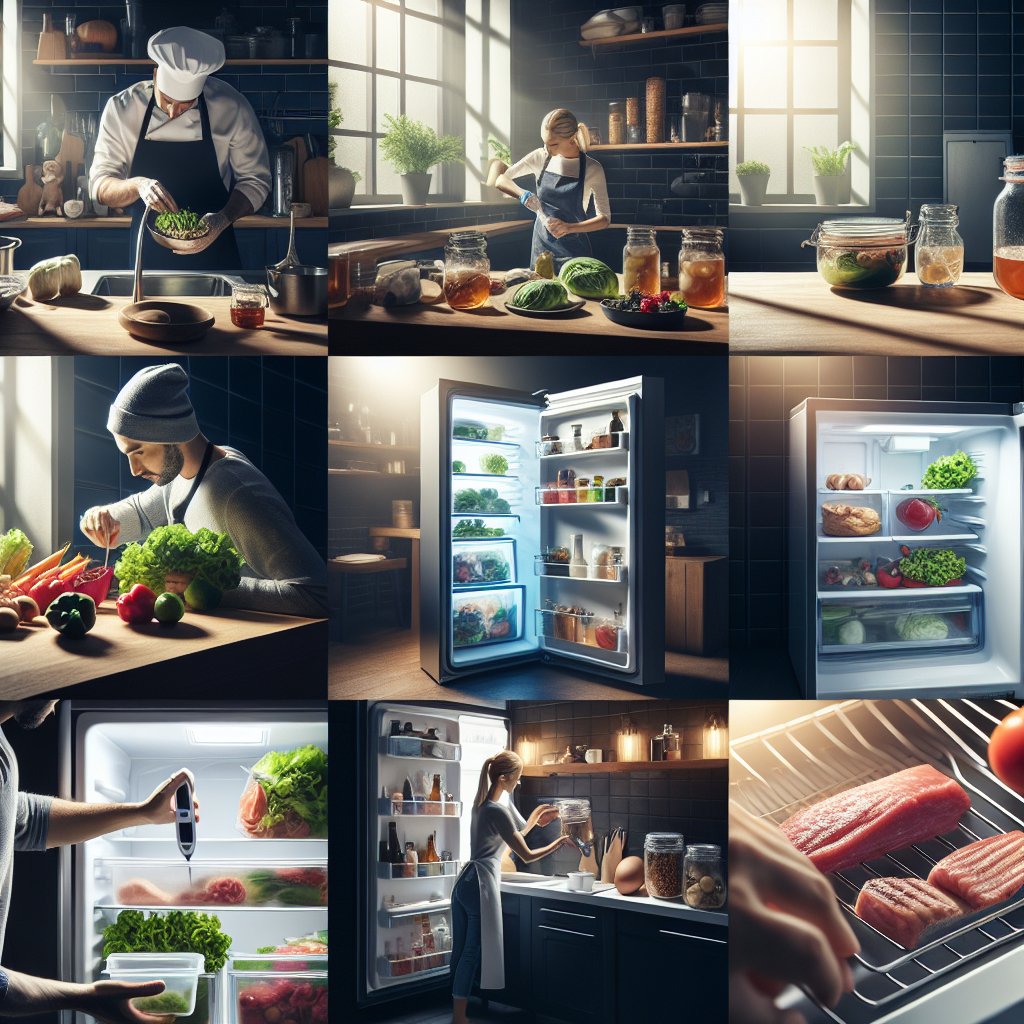
Ensuring food safety in restaurants and homes is a critical aspect of public health that cannot be overlooked. With the increasing number of foodborne illnesses reported each year, it is essential for both food service establishments and households to adopt stringent food safety practices. This article will explore the key principles of food safety, the importance of proper food handling, and practical tips for maintaining a safe food environment in both settings.
Understanding Food Safety Principles
Food safety encompasses a variety of practices aimed at preventing foodborne illnesses and ensuring that food is safe for consumption. The core principles of food safety can be summarized in four key areas: cleanliness, separation, cooking, and chilling. Each of these principles plays a vital role in minimizing the risk of contamination and ensuring that food is safe to eat.
Cleanliness
Maintaining cleanliness is the first step in ensuring food safety. This involves not only personal hygiene but also the cleanliness of the kitchen and food preparation areas. Here are some essential practices to follow:
- Handwashing: Wash hands thoroughly with soap and water before handling food, after using the restroom, and after touching raw meat or poultry.
- Sanitizing Surfaces: Regularly clean and sanitize countertops, cutting boards, and utensils to prevent cross-contamination.
- Proper Food Storage: Store food in clean containers and ensure that the refrigerator and pantry are free from spills and expired items.
Separation
Separation is crucial in preventing cross-contamination, which can occur when raw foods come into contact with cooked or ready-to-eat foods. To ensure separation:
- Use Separate Cutting Boards: Designate specific cutting boards for raw meat, poultry, seafood, and vegetables to avoid cross-contamination.
- Store Foods Separately: Keep raw meats on the bottom shelf of the refrigerator to prevent juices from dripping onto other foods.
- Use Different Utensils: Use separate utensils for raw and cooked foods to minimize the risk of contamination.
Cooking
Cooking food to the appropriate temperature is essential for killing harmful bacteria. Each type of food has a recommended internal temperature that must be reached to ensure safety:
- Poultry: Cook chicken and turkey to an internal temperature of 165°F (75°C).
- Ground Meats: Ground beef, pork, and lamb should be cooked to at least 160°F (70°C).
- Seafood: Fish should be cooked to an internal temperature of 145°F (63°C).
Using a food thermometer is the best way to ensure that food has reached the proper temperature. Additionally, it is important to avoid cooking food at temperatures that are too low, as this can allow bacteria to survive.
Chilling
Chilling food properly is another critical aspect of food safety. Bacteria can multiply rapidly at room temperature, so it is essential to keep perishable foods cold:
- Refrigerate Promptly: Store leftovers in the refrigerator within two hours of cooking to prevent bacterial growth.
- Set the Right Temperature: Keep the refrigerator at or below 40°F (4°C) and the freezer at 0°F (-18°C).
- Thaw Safely: Thaw frozen foods in the refrigerator, in cold water, or in the microwave, but never at room temperature.
Implementing Food Safety Practices in Restaurants
Restaurants face unique challenges when it comes to food safety due to the high volume of food preparation and the need to serve customers quickly. Implementing effective food safety practices is essential for protecting customers and maintaining a good reputation. Here are some strategies that restaurants can adopt:
Training Staff
One of the most important steps in ensuring food safety in restaurants is to provide comprehensive training for all staff members. This training should cover:
- Food Safety Regulations: Familiarize staff with local health department regulations and food safety standards.
- Personal Hygiene: Emphasize the importance of handwashing, wearing gloves, and maintaining personal cleanliness.
- Proper Food Handling: Train staff on safe food handling practices, including cooking temperatures and cross-contamination prevention.
Regular Inspections
Conducting regular inspections of the kitchen and food storage areas is essential for identifying potential hazards. Restaurants should implement a routine inspection schedule that includes:
- Checking Food Temperatures: Regularly monitor the temperatures of refrigerators, freezers, and hot holding units.
- Inspecting Food Storage: Ensure that food is stored properly and that expiration dates are monitored.
- Cleaning Schedules: Maintain a cleaning schedule for all kitchen equipment and surfaces to prevent contamination.
Implementing a Food Safety Management System
Many restaurants benefit from implementing a food safety management system (FSMS) that includes standard operating procedures (SOPs) for food safety. An FSMS can help streamline food safety practices and ensure compliance with regulations. Key components of an FSMS include:
- Hazard Analysis: Identify potential hazards in the food preparation process and develop strategies to mitigate them.
- Monitoring Procedures: Establish monitoring procedures for critical control points, such as cooking and cooling temperatures.
- Record Keeping: Maintain records of food safety practices, including temperature logs and cleaning schedules, to demonstrate compliance during inspections.
Food Safety in Homes: Practical Tips
While restaurants have specific regulations to follow, ensuring food safety at home is equally important. Home cooks can adopt several practical tips to maintain a safe food environment:
Meal Planning and Preparation
Planning meals in advance can help reduce the risk of foodborne illnesses. Here are some tips for safe meal preparation:
- Plan Ahead: Create a meal plan that includes safe food handling practices and cooking times.
- Shop Smart: When grocery shopping, choose fresh produce, check expiration dates, and avoid purchasing damaged or dented packaging.
- Thawing and Marinating: Always thaw food in the refrigerator and marinate food in the refrigerator, not on the counter.
Safe Cooking Practices
When cooking at home, it is essential to follow safe cooking practices to ensure that food is prepared correctly:
- Use a Food Thermometer: Invest in a food thermometer to check the internal temperature of cooked foods.
- Avoid Overcrowding Pans: Overcrowding can lead to uneven cooking, so cook in batches if necessary.
- Let Food Rest: Allow cooked meats to rest for a few minutes before slicing to ensure juices are retained.
Storing Leftovers Safely
Leftovers can be a great way to reduce food waste, but they must be stored safely to prevent foodborne illnesses:
- Cool Quickly: Cool leftovers quickly by dividing them into smaller portions and placing them in shallow containers.
- Label and Date: Label containers with the date they were prepared to keep track of freshness.
- Reheat Properly: Reheat leftovers to an internal temperature of 165°F (75°C) before serving.
Conclusion
Ensuring food safety in restaurants and homes is a shared responsibility that requires diligence and commitment. By understanding the core principles of food safety, implementing effective practices, and staying informed about food safety regulations, both food service establishments and households can significantly reduce the risk of foodborne illnesses. Whether you are a restaurant owner or a home cook, prioritizing food safety is essential for protecting health and well-being.


