The rapid evolution of workplace environments demands proactive approaches to safeguarding assets, personnel, and data. Modern organizations face a dynamic array of risks, from unauthorized physical access to sophisticated cyber intrusions. To stay ahead, businesses are adopting cutting-edge security solutions that blend digital and physical measures. This article explores the transformation of workplace security through emerging threats, breakthrough technologies, integration hurdles, and forward-looking strategies that will shape the next decade.
Emerging Threat Landscape
Organizations must remain vigilant against a spectrum of risks that continue to grow in both scale and sophistication. While traditional concerns like burglary and vandalism persist, new vectors such as supply chain infiltration and insider threats present complex challenges. The convergence of information technology and operational technology has expanded the attack surface, making even routine systems vulnerable to exploitation.
One of the most pressing issues is the rise of hybrid threats that leverage both digital and physical tactics. Attackers might penetrate a network remotely to disable alarms, then orchestrate an unauthorized entry. Conversely, physical tampering with devices like printers or HVAC controls can open backdoors into critical systems. Threat actors are also exploiting social engineering to gain employee credentials, underlining the need for comprehensive strategies that go beyond perimeter defenses.
Remote work and hybrid models add further complications. Without uniform oversight, endpoints outside the corporate network often lack proper security patches or robust access controls. Malicious actors target these weak links to pivot into core infrastructures. Strengthening endpoint protection and establishing zero-trust frameworks are thus indispensable steps in curbing unauthorized access.
In response, businesses are adopting continuous monitoring and threat-hunting techniques. Real-time analytics identify anomalies—from unusual door swipe patterns to unexplained data transfers—allowing security teams to intervene before incidents escalate. Such proactive measures foster a security posture that is both agile and resilient, capable of adapting to the ever-evolving threat landscape.
Innovative Security Technologies
Advances in technology are driving a paradigm shift in how organizations protect their premises and data. Integration of smart devices, coupled with powerful analytics, enables security leaders to orchestrate defenses with unprecedented precision and speed. Key solutions include:
- AI-powered video analytics that detect suspicious behavior or abandoned items in real time.
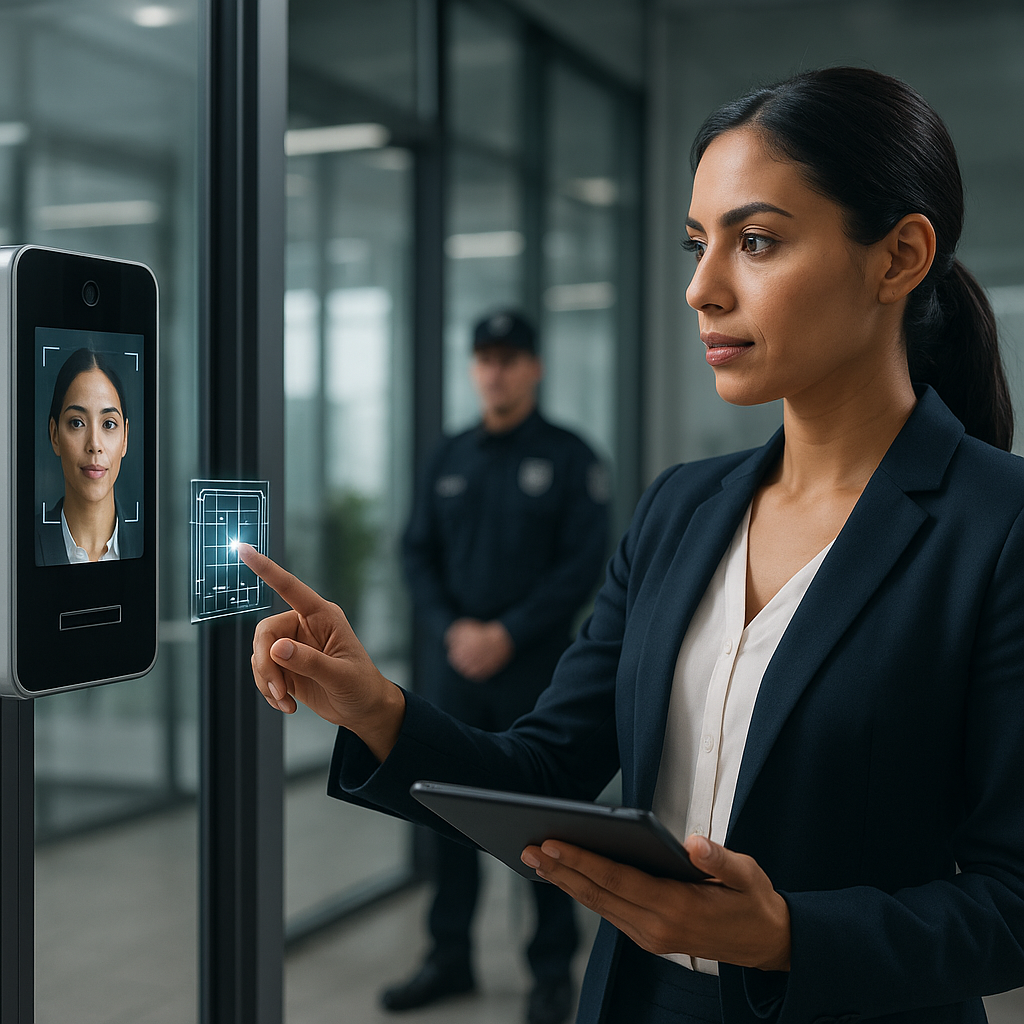
- Biometrics for identity verification, using facial recognition, fingerprints, or iris scans to grant access.
- IoT sensors that monitor environmental variables (temperature, humidity, motion) and trigger alerts upon anomalies.
- Blockchain-based access logs that ensure immutable records of entry and exit events.
- Cloud-native platforms that facilitate centralized management of distributed sites and devices.
Key Components of AI-driven Security
At the core of modern systems lies the synergy between machine learning algorithms and sensor data. By training models on historical patterns of activity, organizations can identify deviations that signal potential threats. For example, if an employee badge is used at an unusual hour in a restricted zone, an automated workflow can enforce additional authentication or notify on-call security personnel.
Edge computing further enhances responsiveness by processing video and sensor inputs locally, reducing latency and bandwidth usage. This decentralized approach ensures critical decisions—like locking doors or sounding alarms—occur in milliseconds without relying solely on cloud connectivity.
Moreover, integration with existing physical security infrastructure, such as turnstiles, locks, and intercoms, creates a unified ecosystem. Security teams gain a holistic view of events through dashboards that correlate access logs, live camera feeds, and environmental metrics. Such convergence of technologies streamlines incident response and fosters smarter, data-driven decision-making.
Integration and Implementation Challenges
While the promise of advanced security tools is clear, deploying them effectively poses organizational and technical hurdles. Legacy systems often lack open APIs or standardized protocols, making integration a resource-intensive endeavor. Retrofitting older facilities with smart locks or IP cameras can also incur significant downtime and capital expenses.
One of the most critical challenges is ensuring interoperability across diverse vendors. Without common standards, devices may operate in silos, preventing the seamless exchange of alerts and status updates. To address this, industry groups are advocating for open frameworks that facilitate plug-and-play compatibility. Organizations should prioritize solutions that adhere to such standards, reducing lock-in and future-proofing their investments.
Data privacy and compliance requirements add another layer of complexity. Storing biometric templates or recording video streams triggers regulations like GDPR, CCPA, or industry-specific mandates. Security teams must implement robust encryption and pseudonymization techniques to safeguard personal information. Clear policies governing data retention, access permissions, and audit trails are essential to mitigate legal and reputational risks.
Effective deployment also involves cross-functional collaboration. IT, facilities, legal, and HR departments must align on objectives, share insights, and define incident response protocols. Training staff on new workflows—such as multi-factor authentication procedures or emergency lockdown drills—ensures that technology enhances security without disrupting daily operations.
Finally, budget constraints and shifting priorities can delay rollouts. To justify expenditures, security leaders should develop detailed business cases that highlight return on investment, risk reduction metrics, and alignment with broader organizational goals. Phased implementations, pilot programs, and vendor partnerships can help demonstrate value early, smoothing the path for wider adoption.
Future Outlook and Adoption Strategies
Looking ahead, the convergence of digital trust frameworks and workplace security will continue to accelerate. Decentralized identity systems, built on distributed ledger technology, promise to give individuals control over their credentials while enabling secure, frictionless access to facilities and applications. Such systems could replace centralized databases, reducing the risk of large-scale breaches.
Advancements in behavioral analytics will further refine threat detection. By continuously learning from user habits—entry patterns, device usage, or movement across a campus—systems will transition from rule-based alerts to predictive interventions. Security platforms will recommend or automate actions, such as adjusting lighting, rerouting traffic, or provisioning temporary credentials to mitigate emerging risks.
Collaboration between organizations and public authorities is set to strengthen as well. Shared threat intelligence networks will allow companies to exchange anonymized data on incidents, tactics, and trends. This collective approach enhances situational awareness and accelerates the development of countermeasures against sophisticated adversaries.
To thrive in this evolving environment, businesses must cultivate a security-centric culture. Regular training, clear communication of policies, and inclusion of employees in decision-making processes foster a sense of ownership and vigilance. Empowered teams are more likely to report suspicious activities and adhere to best practices.
Ultimately, the future of workplace security technology hinges on the integration of cutting-edge innovations, strategic planning, and a human-centric approach. Organizations that embrace change, invest in resilient architectures, and prioritize collaboration will set new standards for safety and operational excellence in the years to come.


