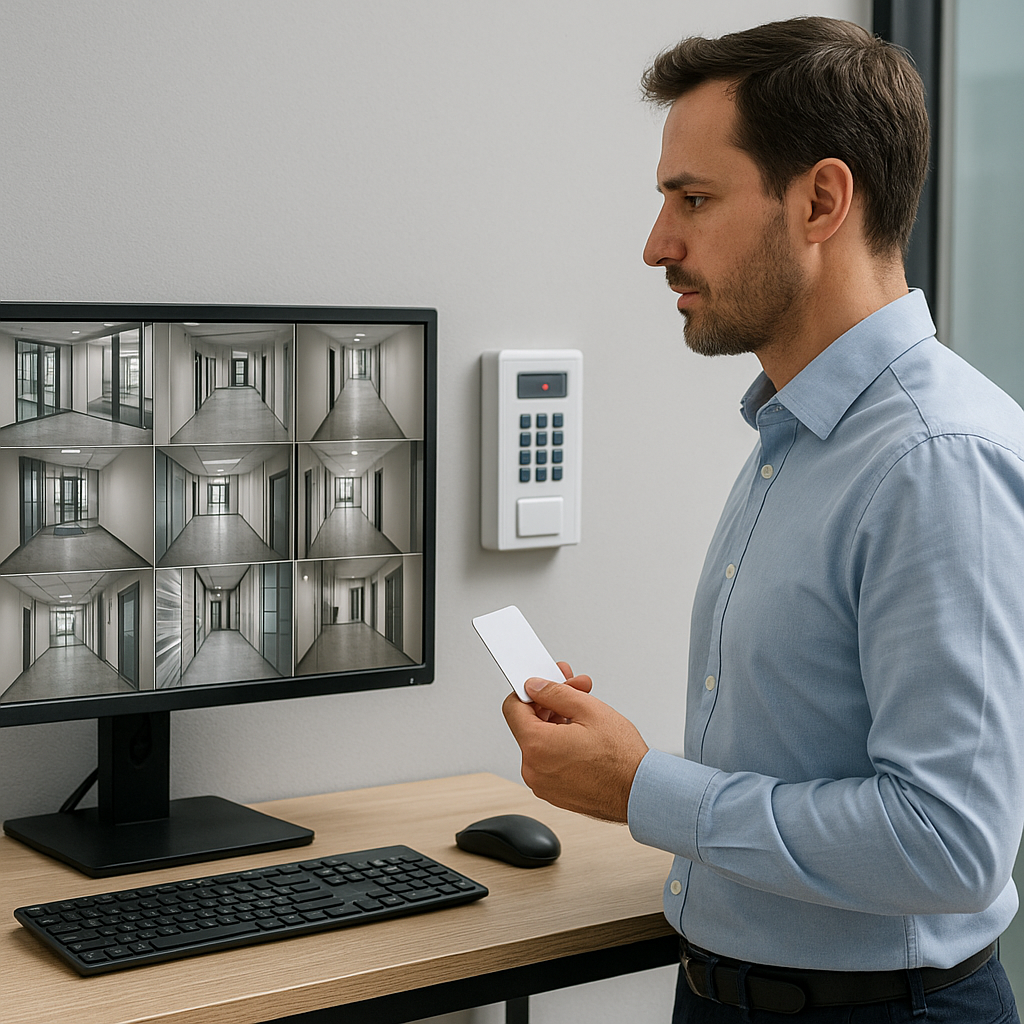
Effective management of physical entrances requires a comprehensive strategy that balances technology, process and human factors. This article explores methods to identify, secure and oversee critical access points in a business environment. By combining advanced controls with ongoing monitoring, organizations can significantly reduce vulnerabilities and maintain a higher level of overall security.
1. Mapping and Classifying Entry Points
Before implementing any controls, it is essential to conduct a thorough site survey. Start by listing every door, gate, window or portal that could be exploited. This includes emergency exits, loading docks and even perimeter barriers. Once cataloged, classify each entry according to its potential risk: public access, restricted zones and high-value areas.
Risk Assessment Criteria
- Traffic Volume: How many employees, visitors and suppliers pass through daily?
- Asset Value: Are there servers, cash registers or prototypes nearby?
- Visibility: Is the point covered by cameras or constant patrol?
- Historical Incidents: Has this location experienced unauthorized entries?
Use a formal risk assessment framework to assign scores and prioritize controls. High-scoring points demand immediate attention, while lower-risk areas can follow in a phased implementation. This mapping exercise also highlights blind spots that might otherwise be overlooked.
2. Deploying Robust Access Control Systems
After mapping, choose appropriate control mechanisms. Electronic locks, turnstiles and mantraps offer varying levels of deterrence. In sectors with stringent data or material sensitivity, biometric readers such as fingerprint or iris scanners outclass traditional keycards. Regardless of technology, ensure each device supports two-factor authentication whenever possible.
Key Technologies
- Card Readers: Cost-effective for medium-risk points; combine with PIN codes.
- Biometric Scanners: Ideal for high-value zones; resist credential sharing.
- Mobile Credential Apps: Leverage smartphones for hands-free entry.
- Turnstiles & Gates: Control pedestrian flow and prevent tailgating.
Integration with a centralized management platform is vital. This allows real-time updates to credentials, instant access logs and remote lock/unlock capabilities. Encrypt communication between controllers and the server using strong ciphers. Implement encryption standards such as AES-256 to protect data in transit and at rest.
3. Continuous Monitoring and Incident Response
Even the best access control systems cannot function in isolation. Continuous surveillance and alerting mechanisms enhance detection of suspicious behavior. Deploy video analytics capable of identifying forced entries, lingering individuals or equipment being moved in unusual patterns. Integrate surveillance feeds with access control events to correlate badge swipes with visual logs.
Automated Alerts and Dashboards
- Real-time Notifications: SMS or email alerts for denied entries or door-forced alarms.
- Dashboard Views: Unified interface showing door status, camera thumbnails and guard patrol logs.
- Intrusion Detection Integration: Tie intrusion detection sensors into the system for early warning.
Define clear incident response procedures. Guards and security personnel should know how to verify alarms, perform rapid assessments and escalate issues. Periodic drills reinforce protocols. Ensure every entry point has functional alarms, is connected to the central server and has backup power to handle outages.
4. Policies, Compliance and Training
Technology alone cannot guarantee protection. Formal policies are required to govern use, maintenance and enforcement. Document procedures for onboarding and offboarding staff, handling lost credentials and managing visitor access. Apply compliance frameworks such as ISO 27001 or NIST, which often include physical security controls.
Best Practice Guidelines
- Least Privilege Principle: Grant minimal access needed for job functions.
- Regular audit Logs Review: Schedule monthly audits of entry records and camera footage.
- Change Management: Control firmware updates and configuration changes through a ticketing system.
- Visitor Policies: Pre-register guests, issue temporary badges and escort unaccompanied individuals.
Finally, invest in ongoing training for security staff and employees. Awareness campaigns reinforce the importance of reporting suspicious activity and following proper badge usage. Simulated penetration tests validate the effectiveness of both human and technical controls. A well-trained workforce acts as an additional layer of defense, making it harder for unauthorized actors to exploit physical vulnerabilities.


