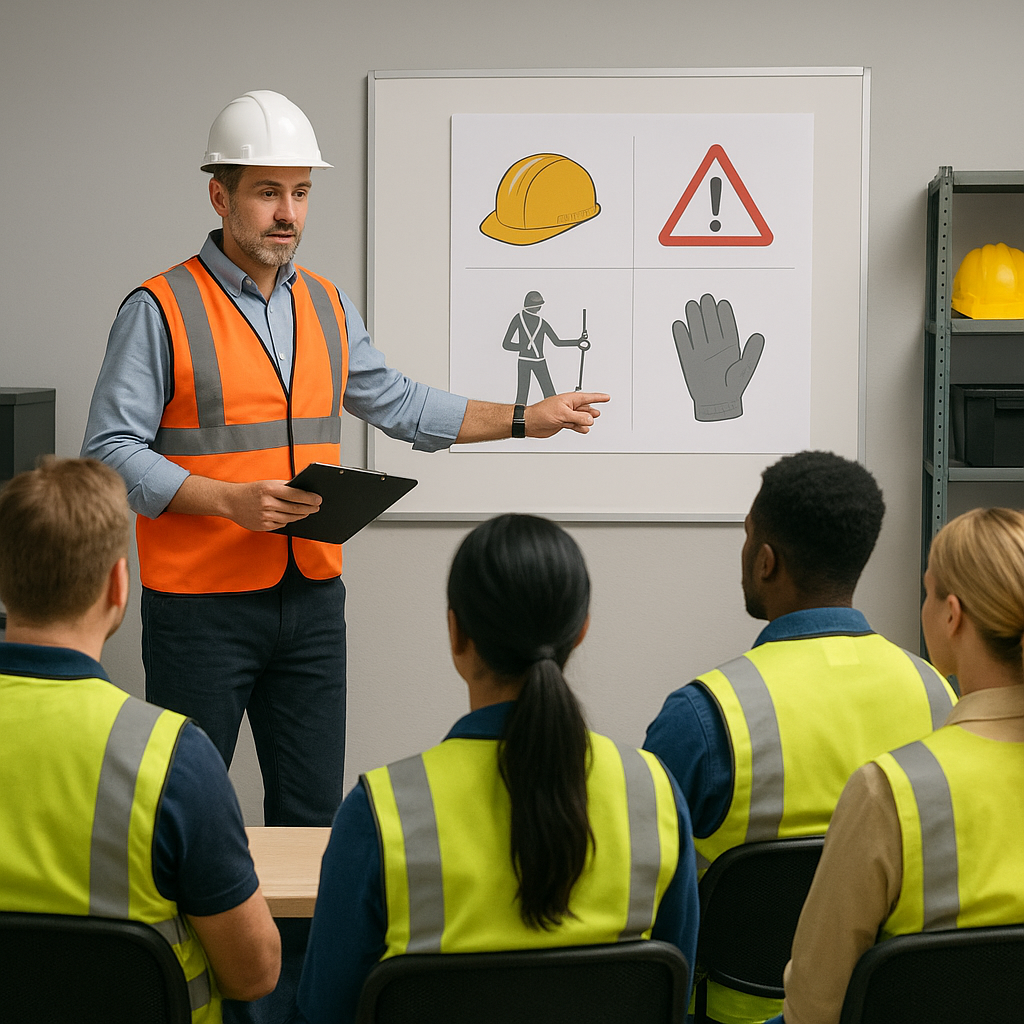
A strategic approach to preventing workplace mishaps begins with well-structured employee education and a clear focus on ongoing improvement. By integrating targeted training initiatives with robust policies, businesses can significantly reduce incidents and foster a safer environment. This article explores essential steps to equip teams with the skills, knowledge, and mindset needed to identify hazards and mitigate risks effectively.
Designing a Robust Training Curriculum
Identifying Core Learning Objectives
Before rolling out any instruction, organizations must define precise goals. A thorough risk assessment reveals the most common threats—slips, falls, equipment misuse—and guides the curriculum. Clear objectives ensure every session addresses real-world challenges. Key goals include:
- Mastering standard operating procedures for machinery and tools
- Recognizing environmental hazards through hazard recognition drills
- Understanding compliance obligations under local and federal regulations
- Developing situational awareness and personal accountability
Role-Specific Modules
Different departments encounter unique dangers. Tailored modules help employees learn relevant skills:
- Office staff: Ergonomic best practices, electrical safety, evacuation routes
- Manufacturing teams: Lockout-tagout (LOTO), machine guarding, chemical handling
- Field personnel: Vehicle safety, weather-related contingencies, confined-space entry
By addressing unique challenges, companies promote precise knowledge transfer, leading to fewer misunderstandings and mishaps.
Creating a Safety-Oriented Organizational Culture
Leadership Engagement
Top management’s visible commitment reinforces a strong safety culture. When executives participate in training, share incident data, and follow protocols rigorously, they set a powerful example. Recommendations include:
- Scheduling quarterly walk-throughs with supervisors
- Publicly celebrating milestones—like 100 days without lost-time accidents
- Allocating budgets for upgraded protective equipment
Empowering Frontline Staff
Workers closest to daily operations often spot hazards first. Encouraging them to voice concerns without fear of reprisal promotes early intervention. Strategies:
- Implementing anonymous suggestion boxes or digital reporting
- Recognizing individuals who identify near-misses
- Assigning safety champions in each team to facilitate peer discussions
Incorporating Practical Exercises and Simulations
Hands-On Drills
Theory alone cannot capture the urgency of a real emergency. Regular hands-on activities help participants internalize prescribed responses. Typical drills include:
- Fire evacuation routes and assembly point procedures
- Spill containment and cleanup protocols for hazardous materials
- CPR and first-aid practice on mannequins
Scenario-Based Training
Creating realistic scenarios challenges teams to apply knowledge dynamically. For instance, a simulated power outage forces employees to navigate darkened corridors, locate backup lighting, and maintain communication. Such exercises sharpen decision-making, enhance teamwork, and reinforce proper emergency response techniques.
Ensuring Continuous Learning and Feedback
Ongoing Performance Reviews
Periodic assessments sustain momentum. Supervisors should observe on-the-job behaviors, provide constructive feedback, and update training materials when new risks emerge. Essential elements:
- Monthly safety observations recorded in digital logs
- Peer reviews to promote collaborative accountability
- Refresher sessions after near-miss incidents
Open Communication Channels
Maintaining clear communication pathways allows swift information exchange. Effective tools include:
- Dedicated safety apps for real-time incident reporting
- Daily huddle meetings to discuss hazards and preventive measures
- Bulletin boards highlighting best practices and lessons learned
Evaluating and Enhancing Training Impact
Measuring Key Performance Indicators
Quantitative metrics show whether initiatives yield genuine improvements. Common KPIs include:
- Reduction in recordable incident rates over specific periods
- Average time between training completion and first on-the-job mishap
- Employee satisfaction scores related to safety education
Continuous Improvement
Analysis should guide iterative upgrades. After reviewing KPI trends, safety managers can:
- Revise modules to address emerging risks, such as new equipment
- Introduce microlearning segments for quick reinforcement
- Partner with external experts to benchmark best practices
Periodic audits of procedures and refresher programs maintain alignment with industry standards and legal compliance requirements. By committing to lifelong learning and frequent updates, organizations create resilient teams capable of minimizing disruptions and protecting both people and assets.


