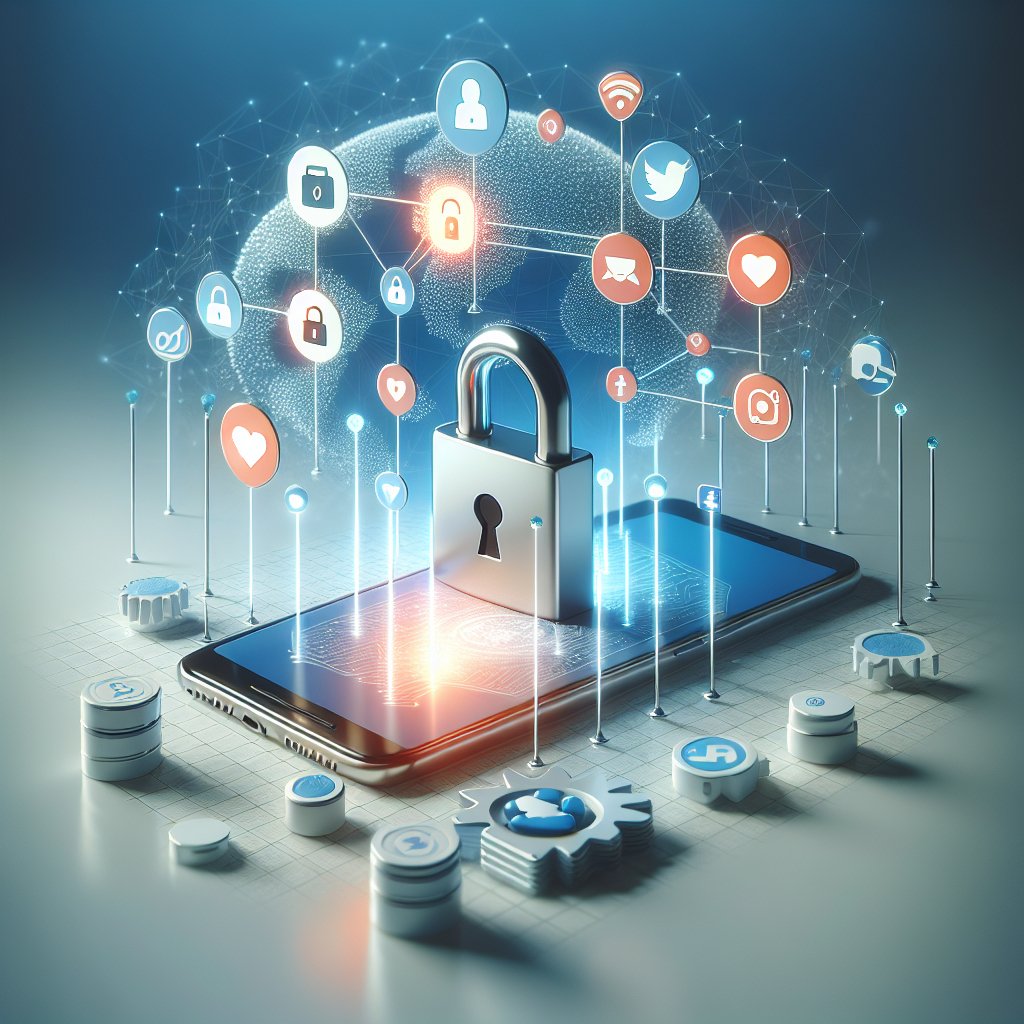
Securing personal information on social networks is a crucial aspect of maintaining privacy in an increasingly digital world. With the rise of social media platforms, individuals often share personal details without considering the potential risks involved. This article will explore effective strategies to protect your personal information on social networks, ensuring that your online presence remains safe and secure.
Understanding the Risks of Sharing Personal Information
Before diving into the methods of securing your information, it is essential to understand the various risks associated with sharing personal details on social networks. These risks can range from identity theft to cyberbullying, and they can have serious consequences for individuals and their families.
Identity Theft
One of the most significant risks of sharing personal information online is identity theft. Cybercriminals can use the information you post, such as your full name, date of birth, and address, to impersonate you and commit fraud. This can lead to financial loss, damage to your credit score, and a long process of reclaiming your identity.
Privacy Invasion
Another risk is the invasion of privacy. When you share personal information, you may inadvertently expose yourself to unwanted attention or harassment. This can manifest in various forms, including stalking or cyberbullying, which can have severe emotional and psychological effects.
Data Mining and Targeted Advertising
Social networks often collect and analyze user data for targeted advertising. While this can lead to personalized experiences, it also means that your information is being used without your explicit consent. Companies can create detailed profiles based on your online behavior, which raises concerns about how your data is being utilized and who has access to it.
Strategies for Securing Your Personal Information
Now that we understand the risks, let’s explore effective strategies to secure your personal information on social networks. Implementing these practices can significantly reduce the likelihood of falling victim to online threats.
1. Adjust Privacy Settings
Most social media platforms offer privacy settings that allow you to control who can see your posts and personal information. Take the time to review and adjust these settings to limit access to your profile. Here are some key adjustments to consider:
- Profile Visibility: Set your profile to private, ensuring that only approved friends can view your information.
- Post Visibility: Customize the audience for each post, allowing you to share with specific friends or groups.
- Friend Requests: Only accept friend requests from people you know personally to avoid connecting with potential threats.
2. Be Mindful of What You Share
Think carefully about the information you share on social networks. Avoid posting sensitive details such as your home address, phone number, or financial information. Additionally, consider the following:
- Limit Personal Updates: Refrain from sharing real-time updates about your location or travel plans, as this can make you vulnerable to theft.
- Think Before You Post: Before sharing a photo or status update, consider how it may be perceived by others and whether it could compromise your privacy.
3. Use Strong Passwords and Two-Factor Authentication
Creating strong, unique passwords for each of your social media accounts is essential for protecting your information. Avoid using easily guessable passwords, such as birthdays or common words. Instead, consider the following tips:
- Complex Passwords: Use a combination of uppercase and lowercase letters, numbers, and special characters.
- Password Managers: Consider using a password manager to help you generate and store complex passwords securely.
- Two-Factor Authentication: Enable two-factor authentication (2FA) on your accounts for an added layer of security. This requires a second form of verification, such as a text message or authentication app, in addition to your password.
4. Be Cautious with Third-Party Apps
Many social networks allow third-party applications to access your account. While some of these apps can enhance your experience, they can also pose security risks. To protect your information:
- Review Permissions: Before granting access to any app, review the permissions it requests and ensure they are necessary for its functionality.
- Limit Access: Regularly check the list of connected apps and revoke access to any that you no longer use or trust.
5. Educate Yourself About Phishing Scams
Phishing scams are a common method used by cybercriminals to steal personal information. These scams often come in the form of emails or messages that appear to be from legitimate sources. To protect yourself:
- Verify Sources: Always verify the source of any message before clicking on links or providing personal information.
- Look for Red Flags: Be cautious of messages that contain spelling errors, urgent requests, or unfamiliar links.
6. Regularly Monitor Your Accounts
Regularly monitoring your social media accounts can help you detect any suspicious activity early. Here are some practices to consider:
- Check Login Activity: Many platforms allow you to view recent login activity. Regularly check this to ensure there are no unauthorized logins.
- Review Friend Lists: Periodically review your friend lists and remove any connections that seem suspicious or unfamiliar.
Conclusion
Securing your personal information on social networks is an ongoing process that requires vigilance and proactive measures. By understanding the risks and implementing effective strategies, you can significantly enhance your online privacy and protect yourself from potential threats. Remember that your digital footprint is permanent, and being mindful of what you share can make a significant difference in safeguarding your personal information.


