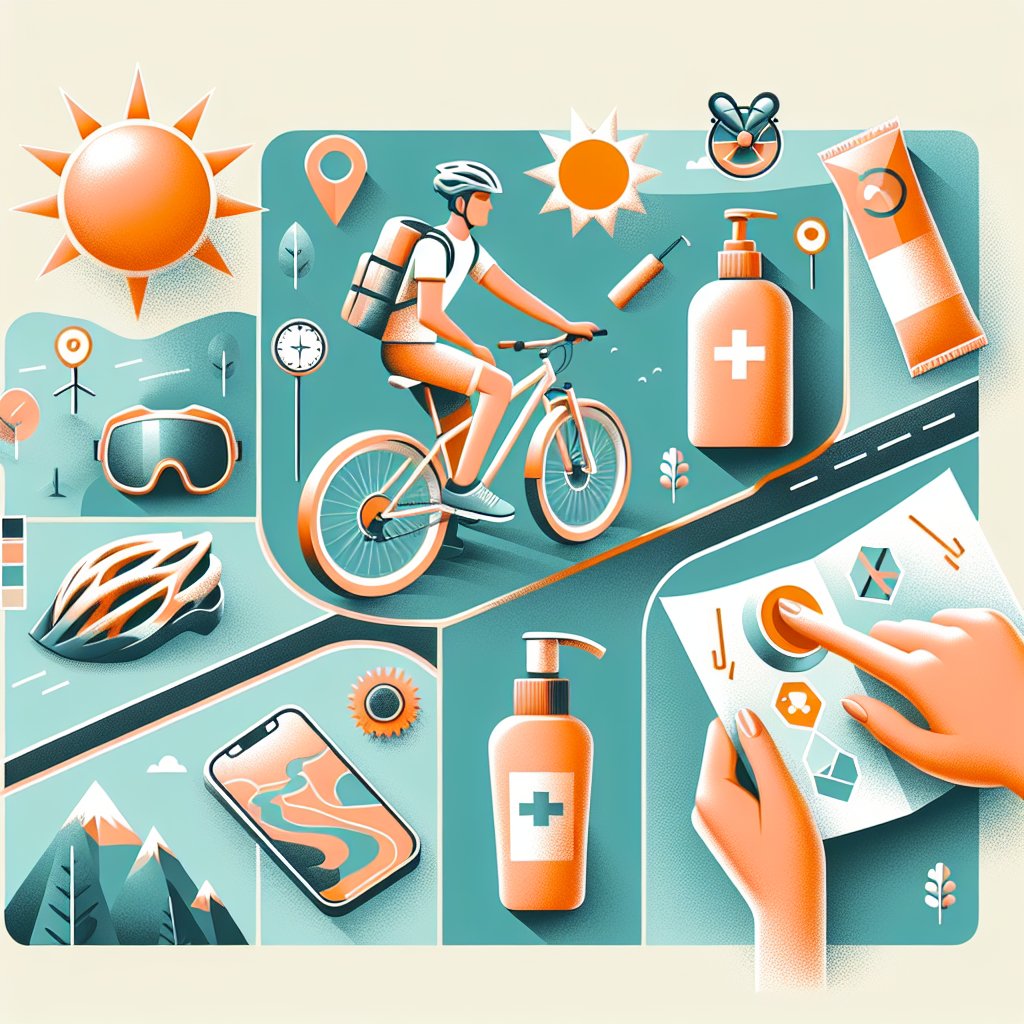
Engaging in outdoor recreational activities can be a thrilling experience, offering a chance to connect with nature and enjoy physical exercise. However, it is essential to prioritize safety to ensure that these activities remain enjoyable and free from accidents. This article will explore various strategies and tips to help individuals stay safe while participating in outdoor adventures, from hiking and camping to cycling and water sports.
Understanding the Risks of Outdoor Activities
Before embarking on any outdoor adventure, it is crucial to understand the potential risks involved. Each activity comes with its unique set of challenges and hazards. By being aware of these risks, individuals can take proactive measures to mitigate them.
Common Risks Associated with Outdoor Activities
- Weather Conditions: Sudden changes in weather can pose significant dangers, including storms, extreme temperatures, and high winds.
- Wildlife Encounters: Interactions with wild animals can lead to injuries or disease transmission.
- Injuries: Falls, sprains, and other injuries are common in outdoor settings, especially in rugged terrains.
- Getting Lost: Navigational errors can lead to disorientation and potential hazards, especially in remote areas.
- Water Hazards: Activities involving water, such as kayaking or swimming, come with risks like drowning and strong currents.
Assessing Personal Skill Levels
Before participating in any outdoor activity, individuals should assess their skill levels and physical fitness. Engaging in activities that exceed one’s capabilities can lead to accidents and injuries. It is advisable to start with beginner-friendly options and gradually progress to more challenging endeavors as skills and confidence improve.
Preparation and Planning
Proper preparation and planning are vital components of outdoor safety. Taking the time to plan can significantly reduce risks and enhance the overall experience.
Researching the Activity and Location
Before heading out, individuals should conduct thorough research on the specific activity they plan to engage in and the location they will visit. This includes understanding the terrain, weather conditions, and any potential hazards associated with the area.
Creating a Safety Plan
- Inform Others: Always let someone know your plans, including your expected return time. This way, someone will be aware if you do not return as scheduled.
- Emergency Contacts: Have a list of emergency contacts readily available, including local authorities and park rangers.
- First Aid Kit: Carry a well-stocked first aid kit tailored to the specific activity and location.
- Navigation Tools: Bring a map, compass, or GPS device to help navigate unfamiliar areas.
Choosing the Right Gear
Using appropriate gear is essential for safety during outdoor activities. The right equipment can help prevent injuries and enhance the overall experience.
- Footwear: Invest in high-quality, activity-appropriate footwear to provide support and traction.
- Clothing: Dress in layers to adapt to changing weather conditions, and choose moisture-wicking and quick-drying fabrics.
- Safety Equipment: Depending on the activity, this may include helmets, life jackets, or harnesses.
Staying Aware and Alert
While enjoying outdoor activities, maintaining awareness of one’s surroundings is crucial for safety. Being alert can help individuals identify potential hazards and respond appropriately.
Recognizing Environmental Changes
Outdoor conditions can change rapidly. It is essential to stay vigilant and recognize signs of changing weather, wildlife activity, or trail conditions. If conditions become unsafe, it may be necessary to alter plans or seek shelter.
Practicing Situational Awareness
- Stay Focused: Avoid distractions, such as using mobile devices, while navigating challenging terrains.
- Listen to Your Body: Pay attention to signs of fatigue or discomfort, and take breaks as needed.
- Be Cautious of Others: When in crowded areas, be aware of other participants and maintain a safe distance.
Emergency Preparedness
Despite careful planning and preparation, emergencies can still occur. Being prepared for unexpected situations can make a significant difference in outcomes.
Understanding Basic First Aid
Having a basic understanding of first aid can be invaluable in outdoor settings. Knowing how to treat common injuries, such as cuts, sprains, or insect bites, can help manage situations until professional help is available.
Creating an Emergency Kit
- Essential Supplies: Include items such as bandages, antiseptic wipes, pain relievers, and any personal medications.
- Emergency Blanket: A compact emergency blanket can provide warmth in case of sudden temperature drops.
- Signal Devices: Carry a whistle or signal mirror to attract attention in case of an emergency.
Conclusion
Staying safe during outdoor recreational activities requires a combination of preparation, awareness, and the right mindset. By understanding the risks, planning adequately, and being alert to one’s surroundings, individuals can enjoy their outdoor adventures while minimizing potential dangers. Remember, safety should always be a priority, allowing everyone to experience the beauty and excitement of nature without unnecessary risks.


