The advent of artificial intelligence has revolutionized the way corporations safeguard assets, data, and personnel. Integrating intelligent algorithms into security frameworks empowers organizations to anticipate threats, streamline incident response, and maintain regulatory compliance. By embracing AI-driven tools, businesses can transform traditional defense strategies into dynamic, adaptive systems capable of defending against ever-evolving challenges.
Evolution of Corporate Security Threats
Over the past decade, the landscape of corporate security threats has expanded in complexity. While traditional risks such as theft and vandalism remain, modern enterprises must confront a range of sophisticated dangers:
- Cyberattacks exploiting unpatched vulnerabilities
- Insider threats driven by disgruntled employees
- Social engineering schemes targeting executives
- Physical intrusions enabled by compromised credentials
Conventional perimeter defenses struggle to adapt quickly to these multifaceted threats. As attackers leverage automation and advanced tools, businesses require more than static firewalls and manual monitoring. This shift has prompted the adoption of machine learning and predictive analytics to identify patterns and anomalies that could signal an imminent breach.
AI-Powered Threat Detection and Response
Implementing AI in security operations centers (SOCs) dramatically enhances the capacity for real-time analysis. Machine learning models ingest vast streams of network logs and user activity, continuously refining their understanding of normal behavior. Key capabilities include:
- Anomaly detection: Spotting irregular patterns that deviate from baseline metrics
- Automated triage: Prioritizing incidents based on risk scores
- Behavioral analytics: Profiling user and device interactions to detect potential compromise
When a high-risk event is detected, AI systems can trigger automated response playbooks, such as isolating affected segments, revoking suspicious credentials, or escalating alerts to human analysts. This level of automation minimizes the time between threat identification and containment, reducing potential damage and downtime.
Enhancing Physical and Cybersecurity with AI
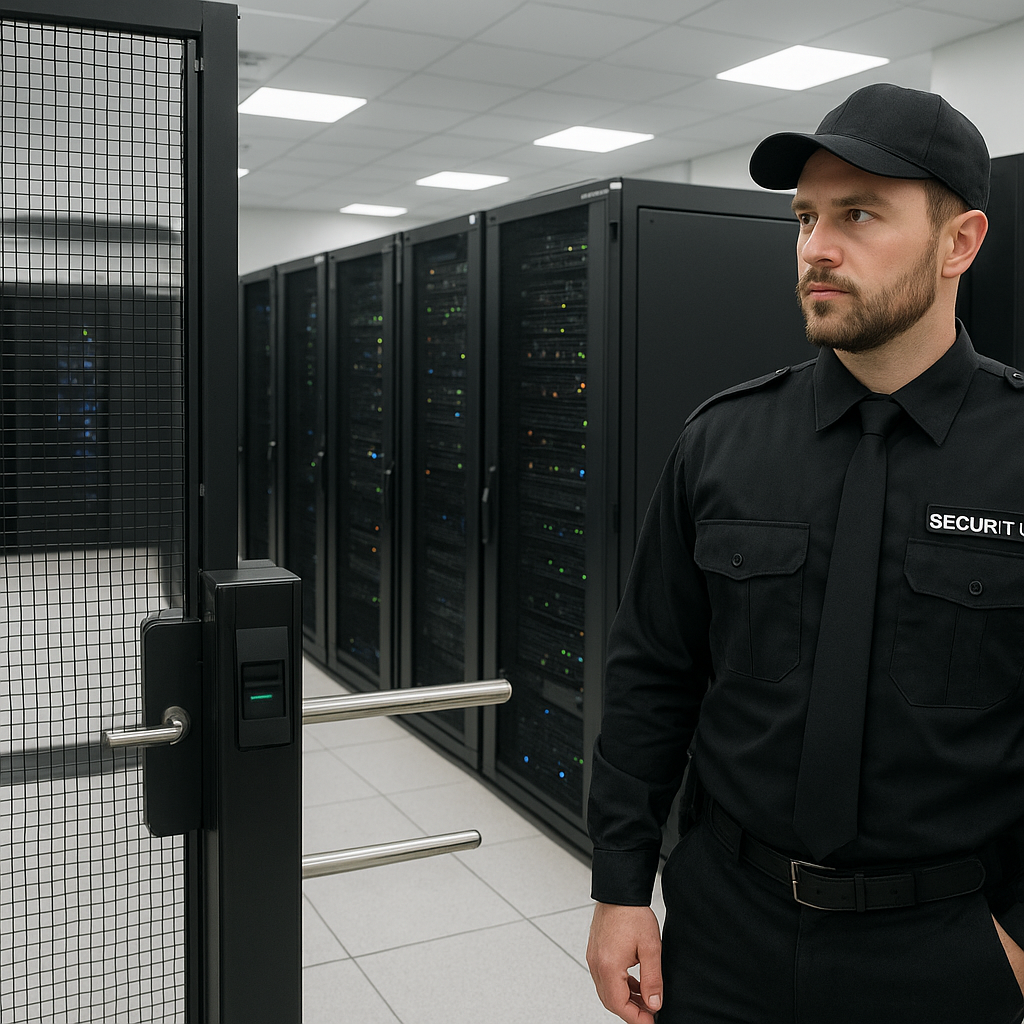
Beyond digital networks, AI enhances physical security by integrating video surveillance, access control, and environmental sensors into unified platforms. Examples include:
- Facial recognition for authorized entry and anomaly alerts
- IoT sensor fusion to detect unusual temperature or motion patterns
- Drone-based perimeter patrols guided by computer vision
On the cybersecurity front, AI bolsters defenses through advanced threat hunting and malware analysis. Sandboxing engines powered by deep learning can dissect suspicious files, identifying zero-day exploits before they spread. Encryption solutions now employ AI-driven key management to dynamically adjust cryptographic protocols based on threat intelligence feeds.
Ethical Considerations and Challenges
While AI offers transformative benefits, ethical and operational challenges must be addressed:
- Bias in algorithms that may lead to false positives or discrimination
- Privacy concerns arising from continuous monitoring of employees
- Overreliance on AI without adequate human oversight
- Vulnerabilities in AI models that adversaries can exploit
Organizations must establish clear governance frameworks to ensure that AI systems operate transparently and responsibly. Regular audits, model validation, and cross-functional teams combining legal, technical, and ethical expertise are crucial. By fostering a culture of accountability, businesses can mitigate risks associated with unintended consequences of AI deployment.
Future Trends in AI-Driven Security
Looking ahead, several emerging trends will shape the future of corporate security:
- Integration of predictive analytics with threat intelligence platforms for proactive defense
- Widespread use of autonomous security agents that collaborate across on-premises and cloud environments
- Advancements in natural language processing to analyze insider communications and spot social engineering attempts
- Convergence of blockchain and AI to secure data provenance and audit trails
As threats continue to evolve, the synergy between cutting-edge AI technologies and robust security protocols will become indispensable. Firms that invest in intelligent, adaptive defenses will not only protect critical assets but also gain a competitive edge by demonstrating resilience and trustworthiness in an increasingly hostile landscape.