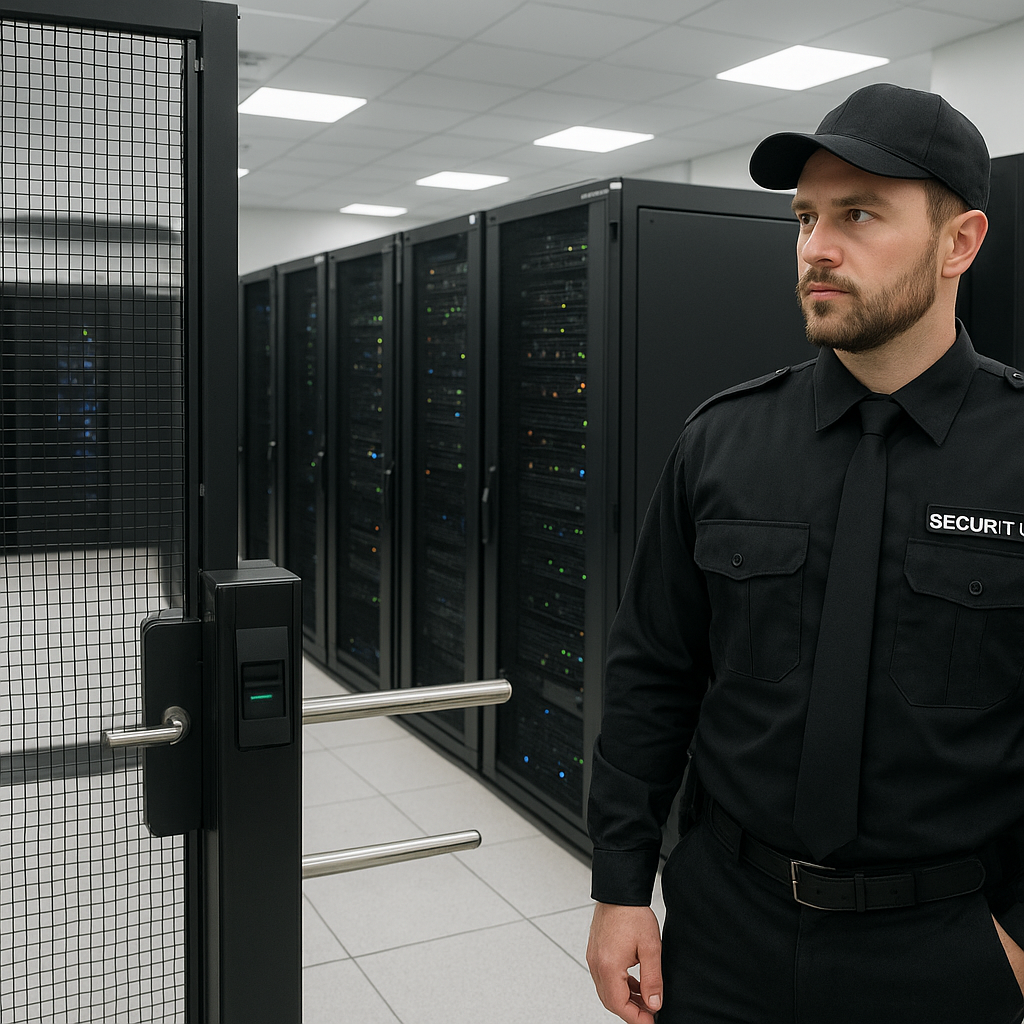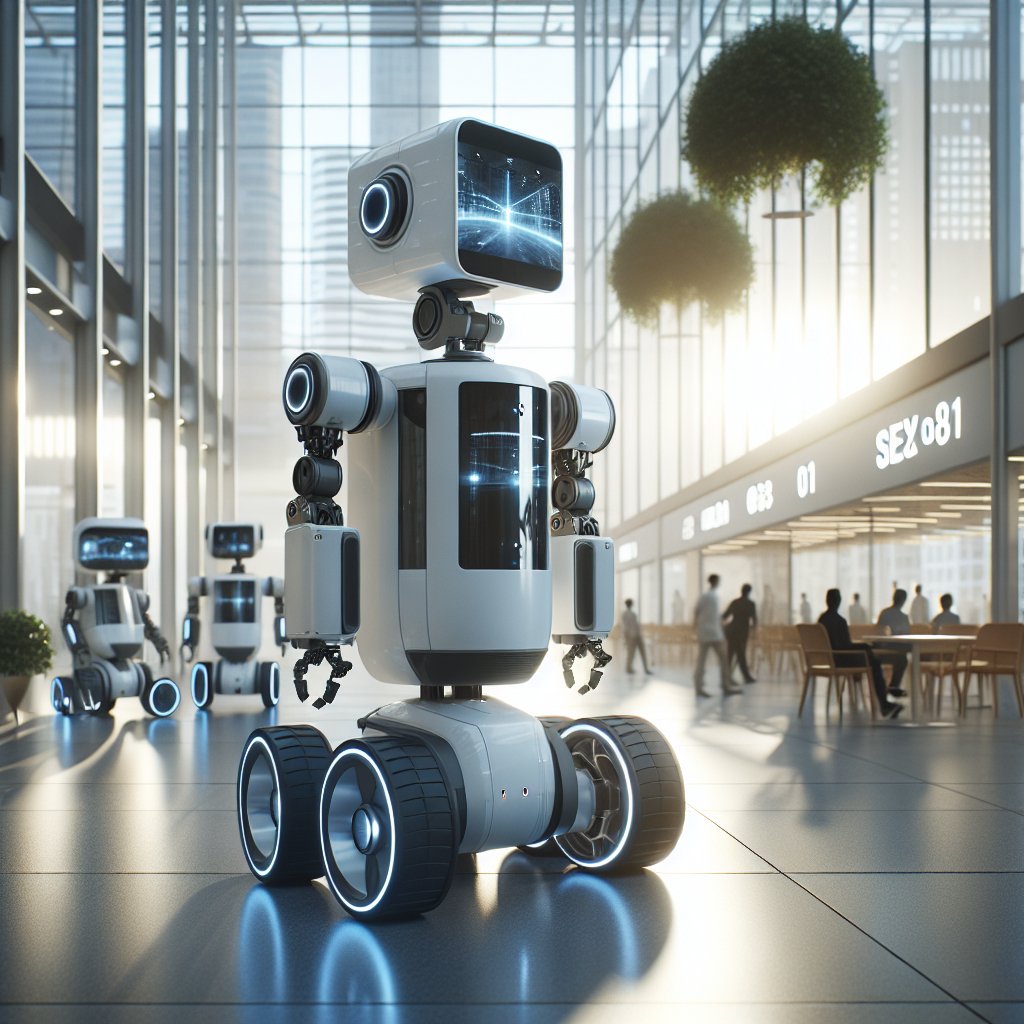
The rise of autonomous security robots marks a significant shift in the way we approach safety and surveillance in various environments. As technology continues to advance, these robots are becoming increasingly sophisticated, capable of performing tasks that were once the sole responsibility of human security personnel. This article explores the development, applications, and implications of autonomous security robots in modern society.
Development of Autonomous Security Robots
The journey of autonomous security robots began with the integration of artificial intelligence (AI), machine learning, and robotics. Early prototypes were simple machines equipped with basic sensors and cameras, primarily used for surveillance in controlled environments. However, as technology evolved, so did the capabilities of these robots.
Technological Advancements
Recent advancements in AI have enabled robots to process vast amounts of data in real-time, allowing them to make decisions based on their surroundings. This includes recognizing faces, detecting unusual behavior, and even responding to emergencies. The incorporation of machine learning algorithms allows these robots to improve their performance over time, adapting to new situations and environments.
- Sensor Technology: Modern security robots are equipped with a variety of sensors, including infrared, ultrasonic, and LIDAR, which help them navigate complex environments and detect potential threats.
- Communication Systems: Many autonomous security robots can communicate with other devices and systems, enabling them to share information and coordinate responses to incidents.
- Mobility: Advances in robotics have led to the development of robots that can traverse various terrains, from smooth floors to uneven outdoor surfaces, making them versatile for different security applications.
Types of Autonomous Security Robots
There are several types of autonomous security robots, each designed for specific tasks and environments. Some of the most common include:
- Patrol Robots: These robots are designed to patrol designated areas, monitoring for suspicious activity and providing real-time data to security personnel.
- Surveillance Drones: Drones equipped with cameras and sensors can cover large areas quickly, providing aerial surveillance and monitoring hard-to-reach locations.
- Access Control Robots: These robots can manage entry points, verifying identities and controlling access to secure areas.
Applications of Autonomous Security Robots
The applications of autonomous security robots are vast and varied, spanning multiple industries and environments. Their ability to enhance security measures while reducing costs makes them an attractive option for many organizations.
Commercial and Retail Security
In commercial settings, autonomous security robots are increasingly being deployed to monitor stores, shopping malls, and warehouses. They can deter theft, monitor customer behavior, and provide a sense of safety for both employees and customers.
- Loss Prevention: By patrolling aisles and monitoring for suspicious behavior, these robots can help reduce theft and improve overall security.
- Customer Assistance: Some robots are designed to assist customers by providing information or guiding them to specific products, enhancing the shopping experience.
Public Safety and Law Enforcement
Autonomous security robots are also being utilized by law enforcement agencies to enhance public safety. They can be deployed in crowded areas, such as airports, stadiums, and public events, to monitor for potential threats and assist in crowd control.
- Emergency Response: In the event of an emergency, these robots can quickly assess the situation and relay critical information to first responders.
- Surveillance: Equipped with advanced cameras and sensors, they can provide real-time surveillance footage to law enforcement, aiding in investigations and crime prevention.
Industrial and Infrastructure Security
In industrial settings, autonomous security robots play a crucial role in protecting valuable assets and ensuring the safety of employees. They can monitor hazardous areas, detect intrusions, and provide real-time data to security teams.
- Asset Protection: By patrolling facilities and monitoring for unauthorized access, these robots help protect valuable equipment and materials.
- Safety Monitoring: They can also monitor environmental conditions, ensuring compliance with safety regulations and identifying potential hazards.
Implications of Autonomous Security Robots
The rise of autonomous security robots brings with it a range of implications, both positive and negative. While they offer numerous benefits, there are also concerns regarding privacy, job displacement, and ethical considerations.
Privacy Concerns
One of the most significant concerns surrounding autonomous security robots is the potential invasion of privacy. As these robots are equipped with advanced surveillance capabilities, there is a risk that they may infringe on individuals’ rights to privacy.
- Data Collection: The data collected by these robots can be extensive, raising questions about how it is stored, used, and shared.
- Surveillance Overreach: There is a fear that the widespread deployment of security robots could lead to a surveillance state, where individuals are constantly monitored.
Job Displacement
As autonomous security robots become more prevalent, there is concern about the potential displacement of human security personnel. While these robots can enhance security measures, they may also lead to job losses in the security industry.
- Job Transformation: Rather than completely replacing human workers, these robots may change the nature of security jobs, requiring personnel to focus on more complex tasks that robots cannot perform.
- New Opportunities: The rise of security robots may also create new job opportunities in areas such as robot maintenance, programming, and oversight.
Ethical Considerations
The deployment of autonomous security robots raises ethical questions regarding their use and decision-making capabilities. As these robots become more autonomous, it is essential to consider the ethical implications of their actions.
- Decision-Making Algorithms: The algorithms that govern these robots’ actions must be transparent and accountable to ensure they operate fairly and justly.
- Accountability: In cases where a robot’s actions lead to harm or violation of rights, it is crucial to determine who is responsible for those actions.
Conclusion
The rise of autonomous security robots represents a transformative shift in the landscape of security and surveillance. With their advanced capabilities and diverse applications, these robots have the potential to enhance safety and efficiency across various sectors. However, as we embrace this technology, it is essential to address the accompanying challenges and implications, ensuring that the deployment of autonomous security robots aligns with ethical standards and respects individual rights. As we move forward, a balanced approach that leverages the benefits of technology while safeguarding privacy and employment will be crucial in shaping the future of security.